Open Loot, the company behind the blockchain-based game Big Time, has announced a shift in strategy, moving away from broad third-party partnerships to concentrate on internally developed titles. The decision highlights changing priorities in web3 gaming, where platforms are seeking sustainable models and clearer player incentives.
Open Loot to Focus on In-House Games
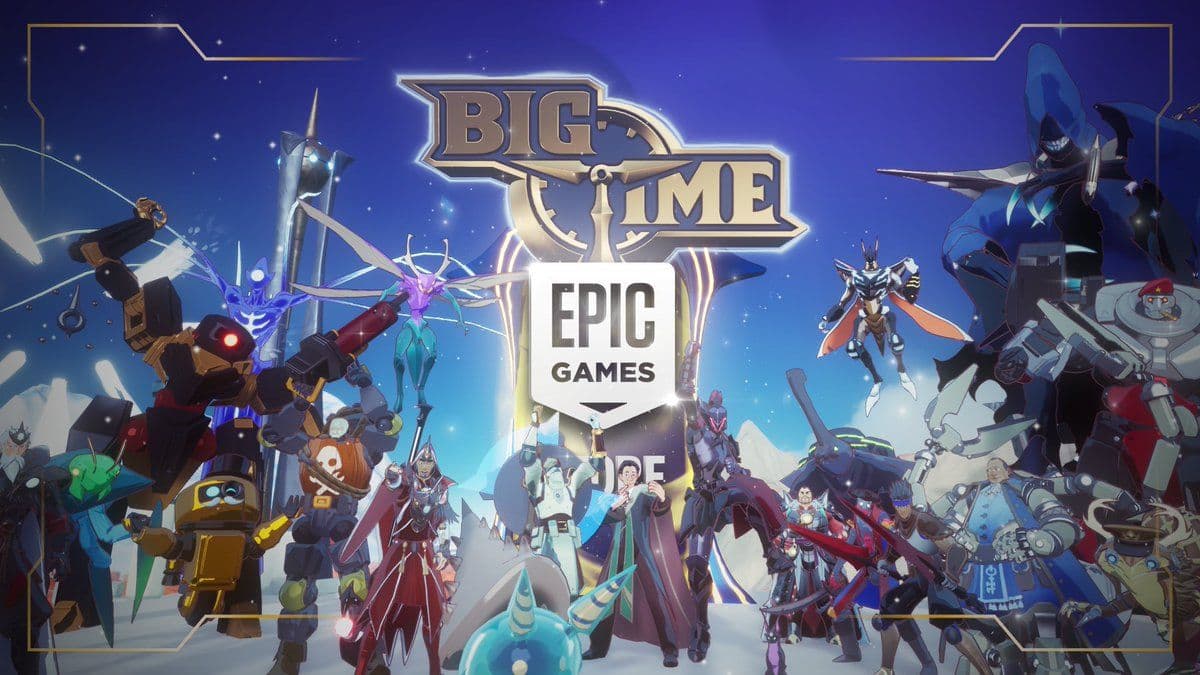
Founded in 2020, Open Loot has positioned itself as an early proponent of digital ownership in gaming, enabling players to hold, trade, and profit from in-game assets. Big Time, the company's flagship game, has accumulated more than 4.3 million hours of gameplay, distributed over $467 million in rewards, and seen nearly 8 million digital items created by players.
Despite this success, many other games on the platform either underperformed or were never released. Ari Meilich, Open Loot's CEO, stated, "Web3 gaming is still in its earliest phase, and success rates remain low across the board. Now, it's time to apply our lessons and sharpen our focus."
Open Loot to Focus on In-House Games
Prioritizing First-Party Development
The company's revised approach emphasizes a more curated ecosystem. Open Loot will now concentrate on first-party intellectual property and external teams whose projects align closely with its infrastructure and economic systems, rather than supporting a large number of third-party games. This strategy mirrors the vertical integration seen in traditional gaming publishers while retaining blockchain-native features such as NFT ownership, token economies, and decentralized marketplaces.
Open Loot's infrastructure supports this direction through features like walletless onboarding, gas-free NFT trading via the Vault system, and the $OL token. These tools aim to reduce friction for new players and deliver tangible rewards for experienced users.
Open Loot to Focus on In-House Games
Player Incentives and Credit Program
To keep players engaged during this transition, Open Loot has introduced a $2.9 million discount credit program. Players who purchased primary content in non-Big Time titles between August 2023 and September 2025 will receive credits applicable toward future in-game purchases.
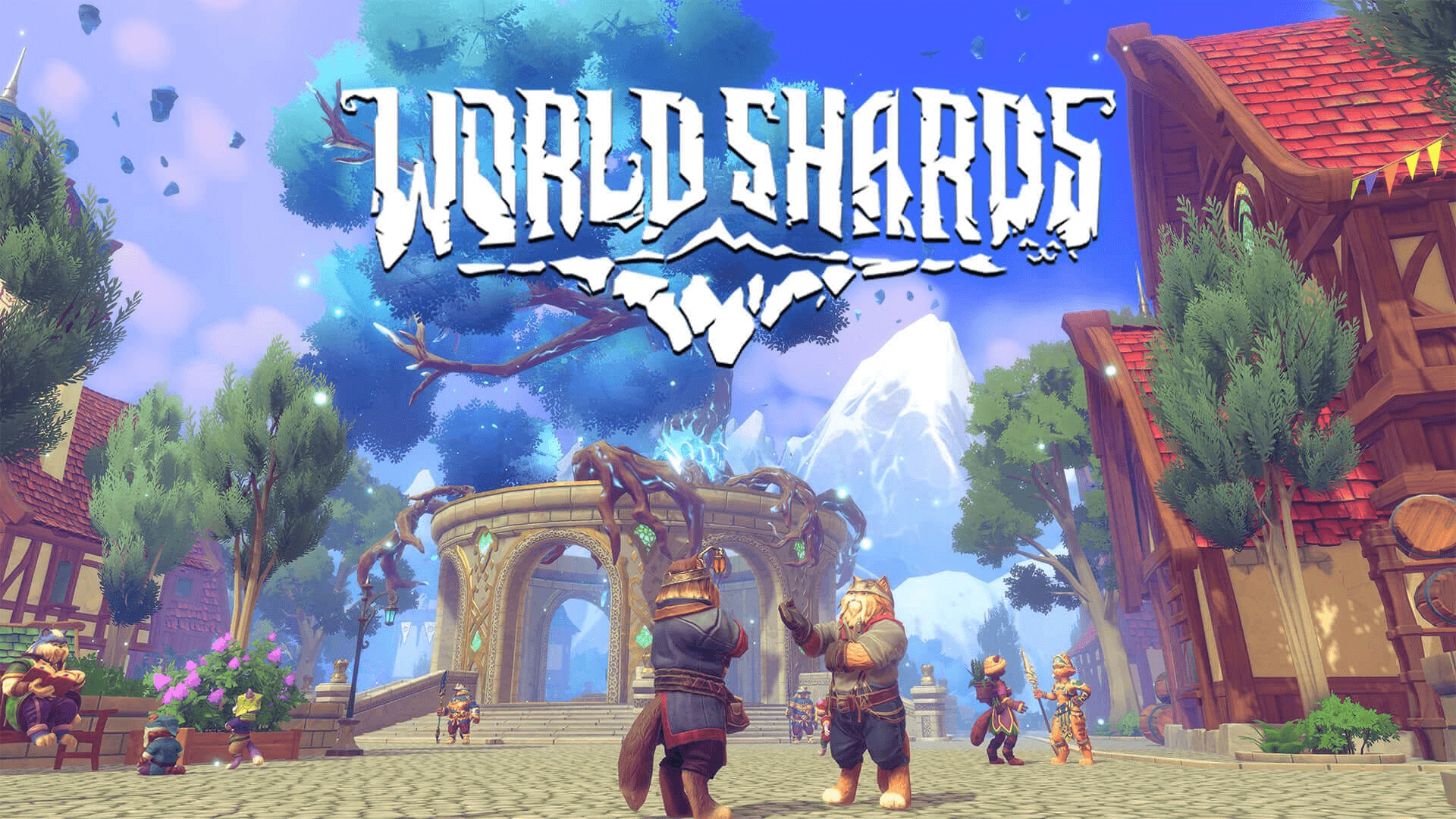
The credits, redeemable for up to 25 percent off using $OL, work in Big Time and upcoming titles. A player who spent $10,000 on a game like WorldShards could receive $2,500 in credits, bringing a $100 purchase down to $75. The program addresses concerns over underperforming titles while steering users toward games with stronger long-term prospects.
Open Loot to Focus on In-House Games
New Internal Titles in Development
Open Loot is developing two internally led games as part of this refocus. One is a mobile pet-collecting adventure set in the Big Time universe. The other is a competitive strategy game designed for mobile and browser platforms. Both projects will integrate Open Loot's Vault system and NFT standards, enabling cross-game progression and asset interoperability. The company envisions a future where digital items, tokens, and player identities transfer seamlessly across multiple games within its ecosystem.
Reduction in Third-Party Support
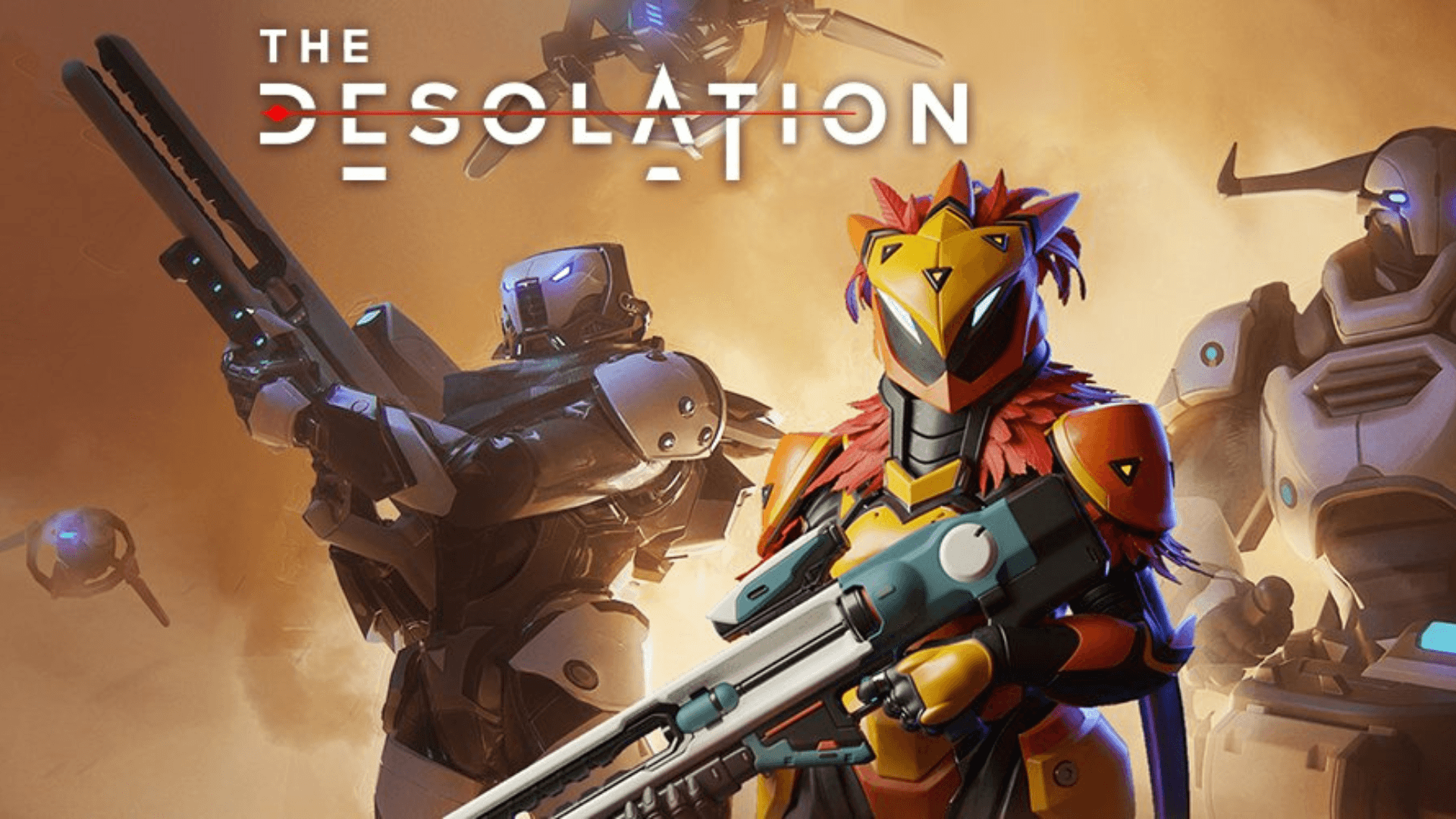
The strategic shift affects several third-party games, including Boss Fighters, Shatterpoint, The Desolation, and Kokodi, which will no longer receive platform support. Open Loot has stated that the studios responsible for these titles will manage asset withdrawals and communicate with their communities directly.
The company emphasized that this change reflects strategic realignment rather than the failure of any individual game. "Web3 is still experimental," Meilich said. "But that experimentation now needs clearer direction."
Open Loot to Focus on In-House Games
Web3 Gaming and Market Trends
Open Loot's changes come amid a broader cooling of enthusiasm for web3 gaming after the boom of 2021–2022. Games like Axie Infinity briefly reached mainstream attention, but many projects have struggled with player retention, regulatory compliance, and execution. Web3 gaming currently accounts for around $40 billion of the $184 billion global gaming market, with projections estimating growth to $60 billion by 2030.
Analysts note that future growth will depend heavily on delivering quality gameplay experiences, not solely on speculative in-game assets. Industry observers suggest that Open Loot's model of fewer games, tighter internal control, and stronger player incentives reflects a growing recognition that sustainable web3 gaming requires careful planning and deliberate strategy.
Frequently Asked Questions (FAQs)
What is Open Loot's new strategy in web3 gaming? Open Loot is scaling back third-party partnerships and focusing on internally developed games while offering stronger incentives for players through its $OL token ecosystem.
Which games will be affected by Open Loot's shift? Third-party games such as Boss Fighters, Shatterpoint, The Desolation, and Kokodi will no longer receive platform support. Players should contact the respective studios for asset management and community updates.
What is the $2.9 million credit program? The credit program provides eligible players with up to 25 percent off future purchases using $OL tokens. It applies to Big Time and upcoming in-house titles and is aimed at compensating for underperforming games.
What new games is Open Loot developing? The company is working on a mobile pet-collecting adventure set in the Big Time universe and a high-stakes strategy game designed for mobile and browser platforms. Both titles will leverage Open Loot's NFT infrastructure and aim for cross-game progression.
How does this reflect trends in web3 gaming? Open Loot's strategy reflects a shift toward consolidation and sustainability in web3 gaming, prioritizing quality gameplay, integrated token economies, and player retention over rapid expansion.