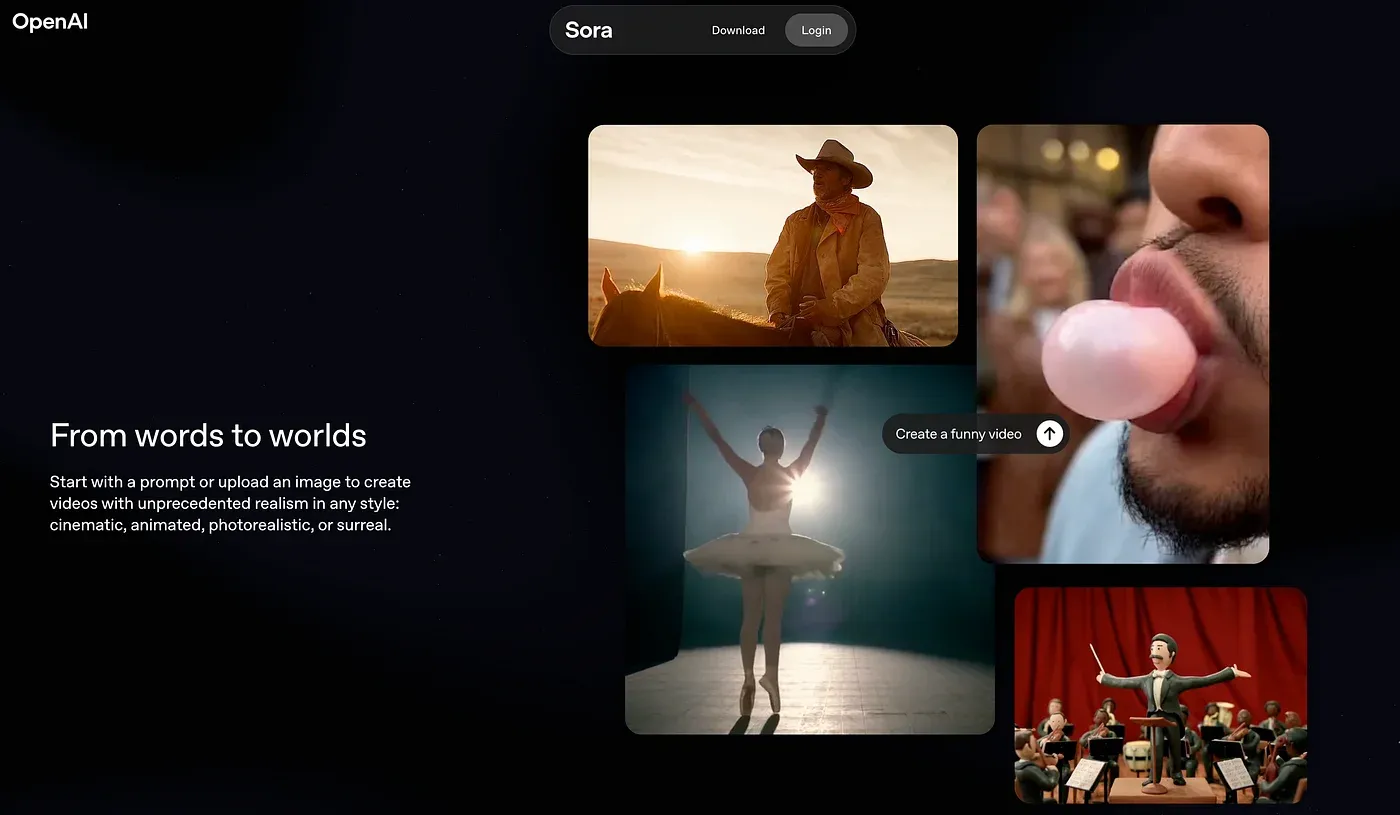


OpenAI announced on March 24 that it will discontinue Sora, its generative AI video creation app, mere months after the standalone version went live in September 2025. The shutdown immediately killed a major partnership with Disney, which had been preparing to pour $1 billion into OpenAI and license more than 200 of its characters for the platform.
Use code TRYHARD33 at checkout to redeem this offer before code expires again.
Get 33% Off GAMES+ Subscription
What OpenAI actually said (and didn't say)
The official word from the Sora team was brief and deliberately vague. "We're saying goodbye to Sora. To everyone who created with Sora, shared it, and built community around it: thank you. What you made with Sora mattered, and we know this news is disappointing," the team posted on X. No explanation for the closure was given, and OpenAI declined to elaborate when pressed.
The team promised more information later, including timelines for shutting down the app and API, plus guidance on how users can save their work. For a platform that was still actively promoting itself weeks ago, the lack of any stated rationale stands out.
With Sora dead, ChatGPT also loses its text-to-video generation capability. The video generation feature that worked inside ChatGPT is being stripped out along with the standalone app.
The Disney deal that won't happen
The timing turns this into more than a routine product shutdown. Three months ago, Disney signed what appeared to be a landmark agreement with OpenAI. The three-year licensing deal would have allowed Sora to generate user-requested videos featuring over 200 masked, animated, and creature characters from Disney, Marvel, Pixar, and Star Wars. The rollout was supposed to include "fan-inspired" video generation starting in early 2026, with Disney+ planning to showcase curated Sora-generated content.
That entire framework is now scrapped. Disney's $1 billion investment in OpenAI is off.
Disney responded with a carefully worded statement: "As the nascent AI field advances rapidly, we respect OpenAI's decision to exit the video generation business and to shift its priorities elsewhere. We appreciate the constructive collaboration between our teams and what we learned from it, and we will continue to engage with AI platforms to find new ways to meet fans where they are while responsibly embracing new technologies that respect IP and the rights of creators."
Diplomatic, but clear. Disney remains committed to AI-generated content, just not through OpenAI.
The copyright fights that shadowed Sora from the start
Sora's run was never smooth. Sora 2, which launched in late September 2025, immediately drew fire from Hollywood over its opt-out copyright model, which forced IP owners to actively request exclusion from the training system. CAA publicly condemned the structure as damaging to intellectual property protections.
In November 2025, Japanese content trade group CODA, representing members like Studio Ghibli, sent a formal demand to OpenAI insisting the company stop using their material to train Sora 2.
What complicates this further is that Disney was simultaneously fighting other AI video platforms while working with OpenAI. The company issued cease-and-desist letters to Meta and Character.AI, joined lawsuits targeting Midjourney and Minimax, and sent a cease-and-desist to Google over alleged copyright violations at "massive scale." More recently, ByteDance and its Seedance 2.0 system faced legal threats from Disney, Paramount, Warner Bros., Sony, and Netflix.
Disney's Sora partnership was essentially a wager on a cooperative AI platform, one that would respect Disney's IP boundaries rather than ignore them. With Sora gone, Disney is back to evaluating alternatives.
What happens to the AI video space now
Sora's collapse doesn't create a void. Other generative AI video platforms continue to operate, many of which are already facing copyright claims from Disney and other major studios. OpenAI's withdrawal from video generation marks a major strategic pivot, but the broader industry keeps moving.
For anyone tracking AI tools in gaming and entertainment, this is a clear signal that the landscape remains unstable. Disney committed to a $1 billion stake and a three-year agreement, and it vanished in under three months. The next major AI content deal, wherever it surfaces, will likely include far stricter contingency terms.Make sure to check out more: