

Thirty years into one of gaming's most iconic franchises, Tomb Raider: Legacy of Atlantis is shaping up to be exactly what longtime fans have wanted. Hands-on time with the game confirmed what the trailers were hinting at: dual pistols, acrobatic traversal, and a Lara Croft who feels pulled straight from the series' golden era. Tomb Raider: Legacy of Atlantis is set to release on Nintendo Switch 2, PC, PS5, and Xbox Series X/S before the end of this year.
What 30 minutes in Peru actually tells us
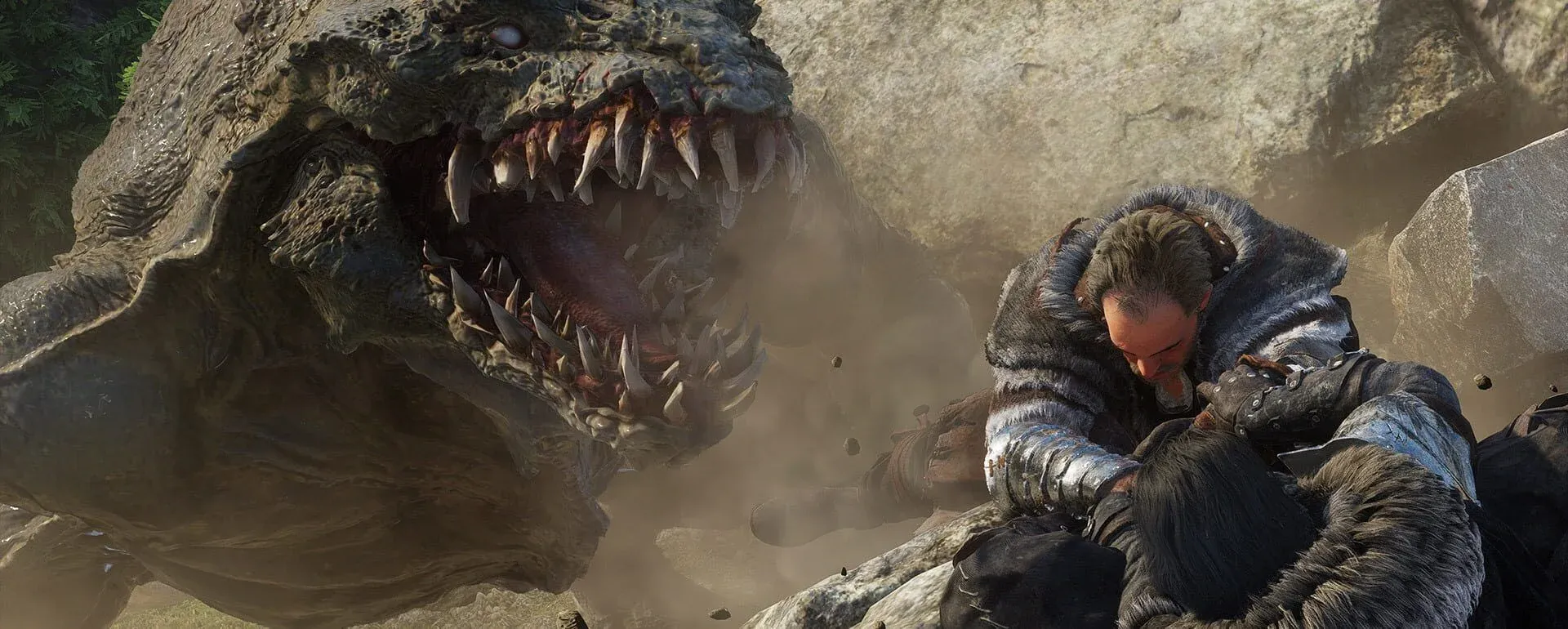
The hands-on session dropped players into Peru, swinging through environments and fighting off dinosaurs. That sentence alone should tell you everything about the tone this game is going for. This is not the grounded, gritty survival Lara from the reboot trilogy. This is the Lara who raids tombs for sport, cracks wise, and shoots first.
The acrobatics feel responsive and deliberate, not the floaty, overly-assisted movement that crept into the series post-reboot. The dual pistols are back as a core part of the combat identity, not a cosmetic throwback. Here's the thing: those two details alone represent a deliberate design philosophy shift, and 30 minutes was enough to feel it.
The classic formula, not just the classic look
What most players miss when they talk about "classic Lara" is that it was never just about the character design. It was about the feel of the game, the confidence of the movement, the way combat and exploration fed into each other without either element apologizing for existing. Legacy of Atlantis appears to understand that.
Setting a significant portion of the game in Peru and putting dinosaurs in the mix is not an accident. That is a direct callback to the original Tomb Raider's Lost Valley, a level that defined the series' willingness to go completely over the top and make it work. The developers are clearly signaling which era of the franchise they are drawing from.
A franchise at a crossroads, leaning the right way
The reboot trilogy that started in 2013 had its audience, but it also spent years walking away from what made the original games special. Younger Lara was compelling in her own way, but the series gradually sanded off the pulpy, adventurous edges that made it stand apart from every other third-person action game on the market.
Legacy of Atlantis is not pretending the reboot era did not happen, but it is clearly making a statement about where the franchise belongs. The key here is that this is not nostalgia for nostalgia's sake. The traversal, combat, and setting choices all suggest a team that studied why the early games worked and built from that foundation rather than just slapping the classic aesthetic on a modern template.
For players who want to get ahead of the game before launch, the Tomb Raider: Legacy of Atlantis guides will be the place to track everything as more hands-on coverage and details surface. Broader gaming guides are also worth bookmarking as the release window approaches and the full picture of what Legacy of Atlantis offers becomes clear.