
"This transition has no impact on games that already released, or will be releasing, prior to January 2028 in disc format."
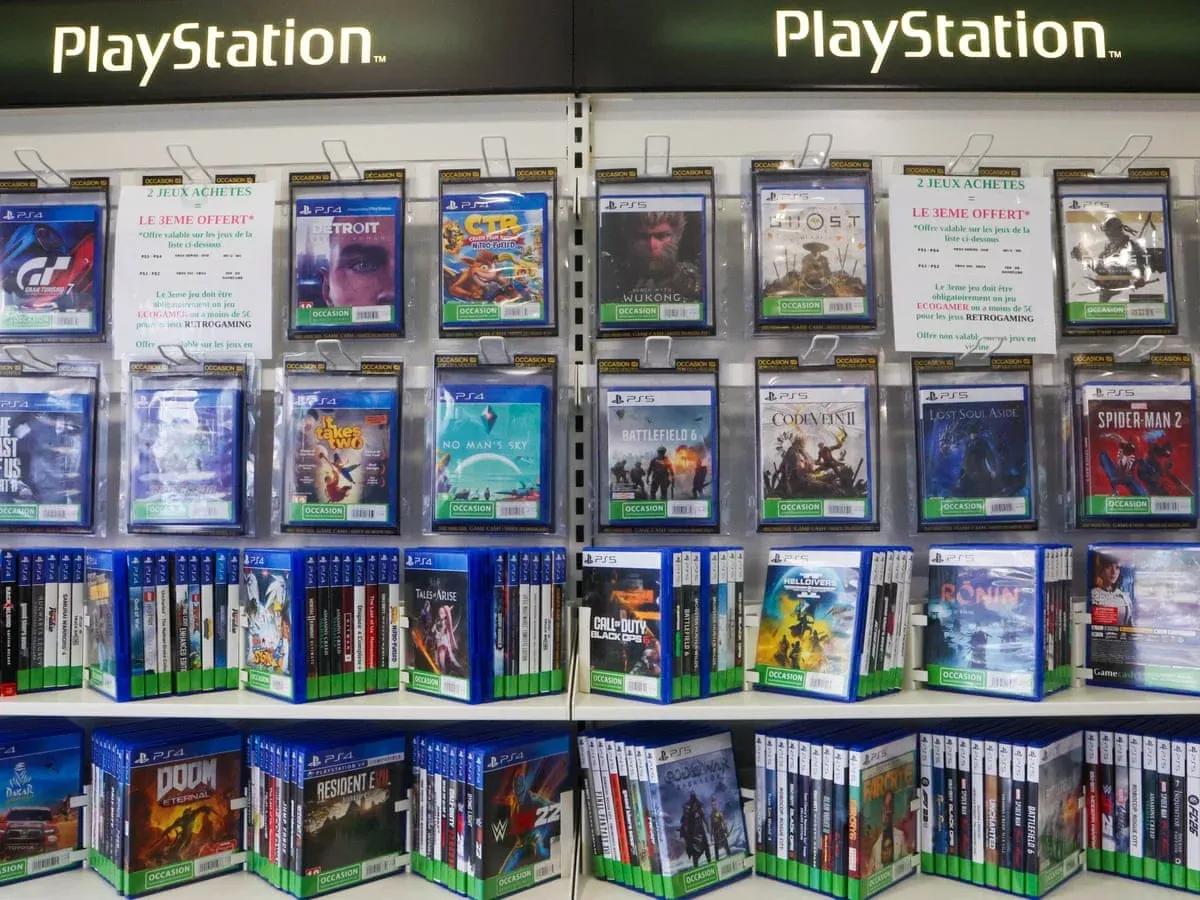
That line from Sony Interactive Entertainment Senior Director Sid Shuman is doing a lot of heavy lifting. Because while it sounds reassuring, the announcement it comes from is anything but routine. PlayStation has officially confirmed that physical disc production for all new games on PlayStation consoles will end starting January 2028. After that date, new releases hit the PlayStation Store and retail shelves in digital formats only.
What Sony actually said, and what it left out
The official statement from SIE frames this as a natural response to shifting consumer habits, pointing to digital media preference outpacing physical across the broader entertainment industry. That framing is accurate enough. Digital game sales have dominated for years, and the PS5 Digital Edition has sold well enough that Sony released a detachable disc drive add-on rather than a full hardware revision.
Here's the thing: Sony did not announce a timeline for existing physical game availability, did not clarify whether limited or collector's editions with physical components would be exempt, and did not address what happens to disc-based PS5 hardware long-term. The statement is short, and the gaps are wide.
The announcement also came alongside a separate update on the PlayStation Store for PS3 and PS Vita, suggesting Sony is tidying up its legacy digital storefronts at the same time it closes the door on new physical media.
The ripple effects beyond game collectors
Collectors losing the ability to buy new games on disc is the obvious headline. But the implications stretch further.
Retailers that stock physical PlayStation games, from major chains to independent game shops, lose a product line entirely. Pre-owned game sales, which represent real revenue for both stores and consumers looking to save money, disappear for anything released after January 2028. The secondary market for PlayStation games stops growing the moment that cutoff hits.
Game preservation is the longer-term concern. Physical media gives players a copy that exists outside any server. Digital licenses, as any player who has lost access to a delisted game knows, are not the same thing. Once a game is removed from the PlayStation Store, digital-only buyers have no fallback. That risk applies to every new PlayStation game released from 2028 onward.
Accessibility is worth flagging too. Not every PlayStation owner has reliable broadband. Large game installs, frequently exceeding 100GB, are a real barrier in households with data caps or slower connections. Physical media has always served as a workaround for that problem. That workaround goes away for new releases.
The hardware question nobody is asking yet
PS5 consoles with disc drives will still exist after January 2028. But if no new games ship on disc, the drive becomes useful only for back-catalogue titles and media playback. That changes the value proposition of disc-equipped hardware for anyone buying a PS5 after the cutoff.
If you're picking up Starfield on PS5 and want to know how its DualSense features and Pro modes hold up, the Starfield PS5 guide has the full breakdown. It's a good reminder of how much the PS5 experience still leans into hardware-specific features, even as the software delivery method shifts.
Sony has not announced whether a disc-free PS5 revision is planned, or whether future PlayStation hardware generations will ship without optical drives entirely. The January 2028 date for disc production is the only concrete detail on the table right now.
Where this leaves PlayStation players before the deadline
Physical game releases continue as normal through the end of 2027. Players who prefer physical media have roughly 18 months of new disc releases ahead before the format disappears for new titles.
The key here is understanding what "digital format at retailers" actually means in practice. Retailers will presumably sell digital download codes in physical packaging, similar to how PC game retail has worked for years. That keeps shelf space occupied and gives stores something to sell, but it is not the same as owning a disc.
For players building out their PS5 libraries before the transition, checking gaming guides for upcoming releases worth grabbing in physical form is worth the time. The window is narrower than it looks.
Sony's move is the most significant step any major console platform has taken toward mandatory digital distribution. Microsoft has been nudging that direction for years, but this is a firm end date from a platform holder with the largest installed base in the current console generation. The industry will be watching closely to see how players respond when the option is removed rather than just deprioritized.