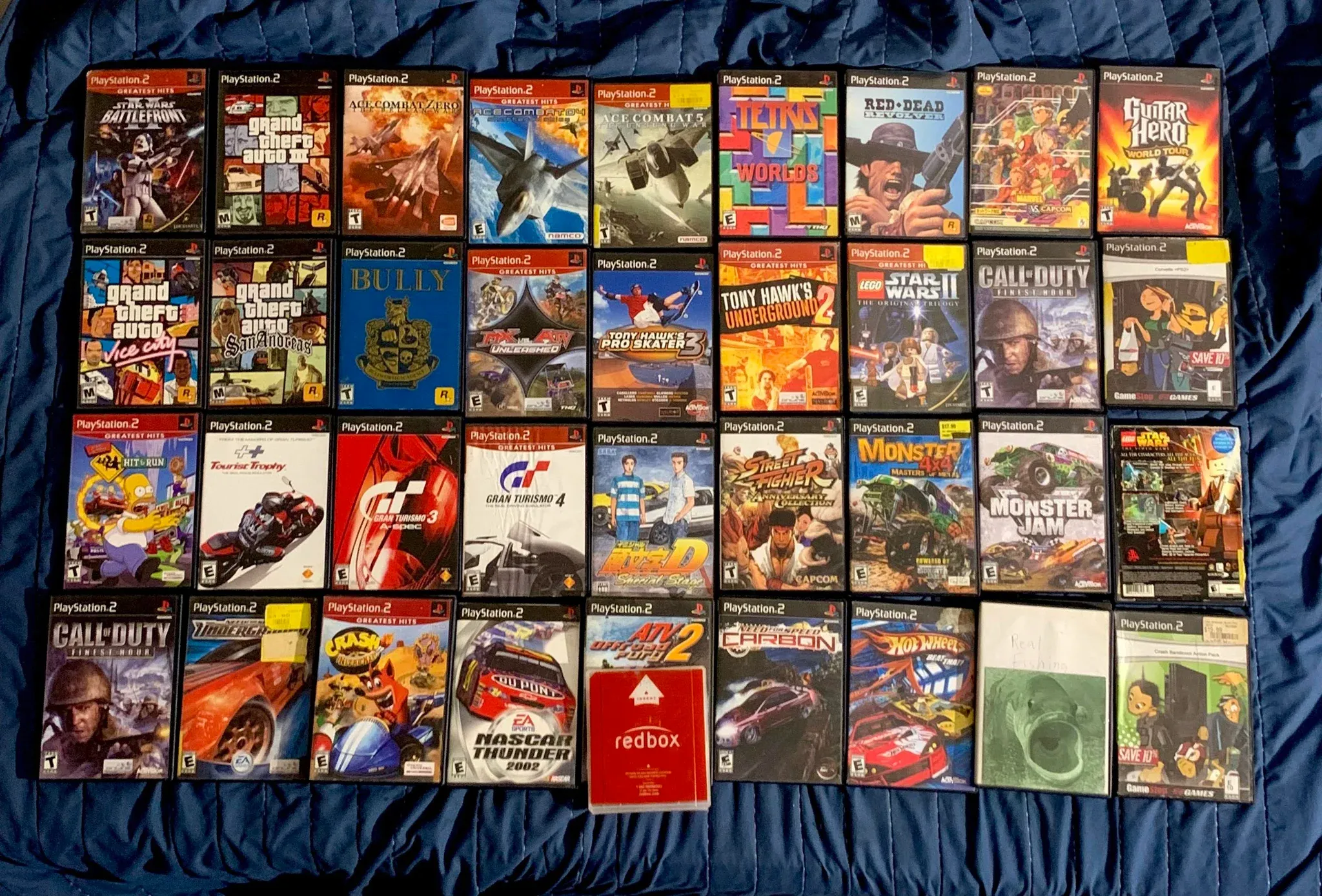


"As a company on a mission to preserve video games, we are deeply saddened by the recent news from PlayStation on ending physical disc production from 2028." That statement from boutique gaming publisher Lost in Cult captures the mood across the industry right now. Sony's confirmation that PlayStation will stop producing game discs in January 2028 hasn't gone over quietly.

Use code TRYHARD33 at checkout to redeem this offer before code expires again.
Get 33% Off GAMES+ Subscription
What the preservation community is actually worried about
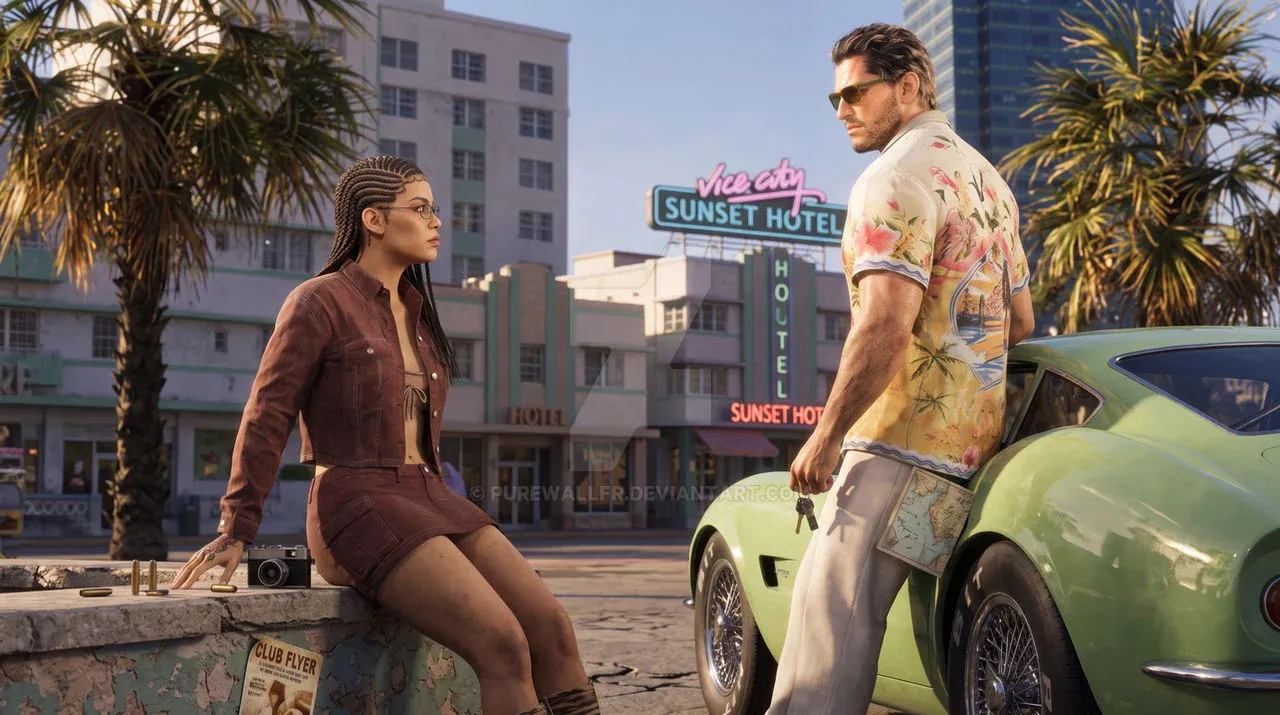
The Video Game History Foundation put out a measured but pointed response, acknowledging that the news, while disappointing, didn't exactly come out of nowhere. Physical releases have been eroding in practice for years. Many disc-based games still require a substantial internet download to function, and high-profile releases like Grand Theft Auto 6 aren't even receiving a physical disc at launch. The disc has already become more symbol than solution in plenty of cases.
Here's the thing, though: the Foundation's concern goes well beyond nostalgia. The organization called out the Entertainment Software Association directly, pointing to a pattern where the ESA opposes legal reforms that would allow cultural heritage institutions to preserve digital-only content. Museums and archives can't just download a game and assume it'll still run in 50 years. That's not preservation. That's wishful thinking.
"What continues to baffle us is what the industry expects institutions like ours to do about it," the Foundation stated. "Everyone agrees this is a serious problem, but the ESA has repeatedly opposed the efforts of cultural heritage institutions to reform digital copy protection laws."
The key here is that this isn't a fringe concern. Once digital storefronts shut down or delist titles, those games can disappear entirely. Physical media, for all its limitations, gives institutions a legal and tangible copy to work with.
GOG, GameStop, and the awkward optics of the moment
GOG, the DRM-free PC storefront, used the moment to remind players that games purchased through its platform stay in your library permanently, even if a title gets delisted from the store. It's a pointed contrast to how most digital platforms handle delisting, and the timing of the statement wasn't accidental.
GameStop also found itself pulled into the conversation, though not entirely by choice. The retailer posted about a customer in Columbus, Ohio who traded in his Xbox 360 collection for over $1,000 in store credit and walked out with a haul of PS5 games. The post was meant to feel upbeat. The internet read it differently. Many pointed out the irony of a physical media retailer celebrating a trade-in that feeds directly into the ecosystem that's rendering its own business model obsolete. Others questioned the trade value on what appeared to be a substantial collection.
The timing stung. Cheering physical game purchases the same week PlayStation announced it's walking away from discs was always going to land awkwardly.
Xbox reportedly heading the same direction
If the PlayStation news alone wasn't enough, a separate report landed this week claiming that the next Xbox console, codenamed Project Helix, will ship without a disc drive. Microsoft is reportedly exploring ways to let players digitize their existing physical libraries, though no concrete details on how that would work have surfaced yet.
Two major platform holders signaling a move away from physical media in the same week sends a clear message about where the industry is headed. For players who have built large physical collections, the question of what those libraries are actually worth long-term is becoming harder to ignore. If you're curious about what physical-first experiences still look like on current hardware, the Hollowbody before you buy guide is worth a read as an example of a game still releasing with a genuine disc version.
What this means for the games releasing between now and 2028
January 2028 gives the industry roughly 18 months of physical releases before the format ends on PlayStation. Games like Pragmata, which is already confirmed with a physical edition, are still on track. If you want to know the specifics around file sizes and preload windows for upcoming titles, the Pragmata game size and preload date guide covers exactly that.
What most players miss in this conversation is that the deadline also creates a window. Physical editions of games releasing close to January 2028 may end up being the last of their kind on PlayStation hardware, which carries its own implications for collectors and preservationists alike.
For anyone wanting to stay across how the physical-versus-digital debate continues to shape specific releases, the broader gaming guides section keeps tabs on what's coming and what you need to know before you buy. The industry's direction is increasingly clear. The conversation about what gets lost in that transition is only getting louder.