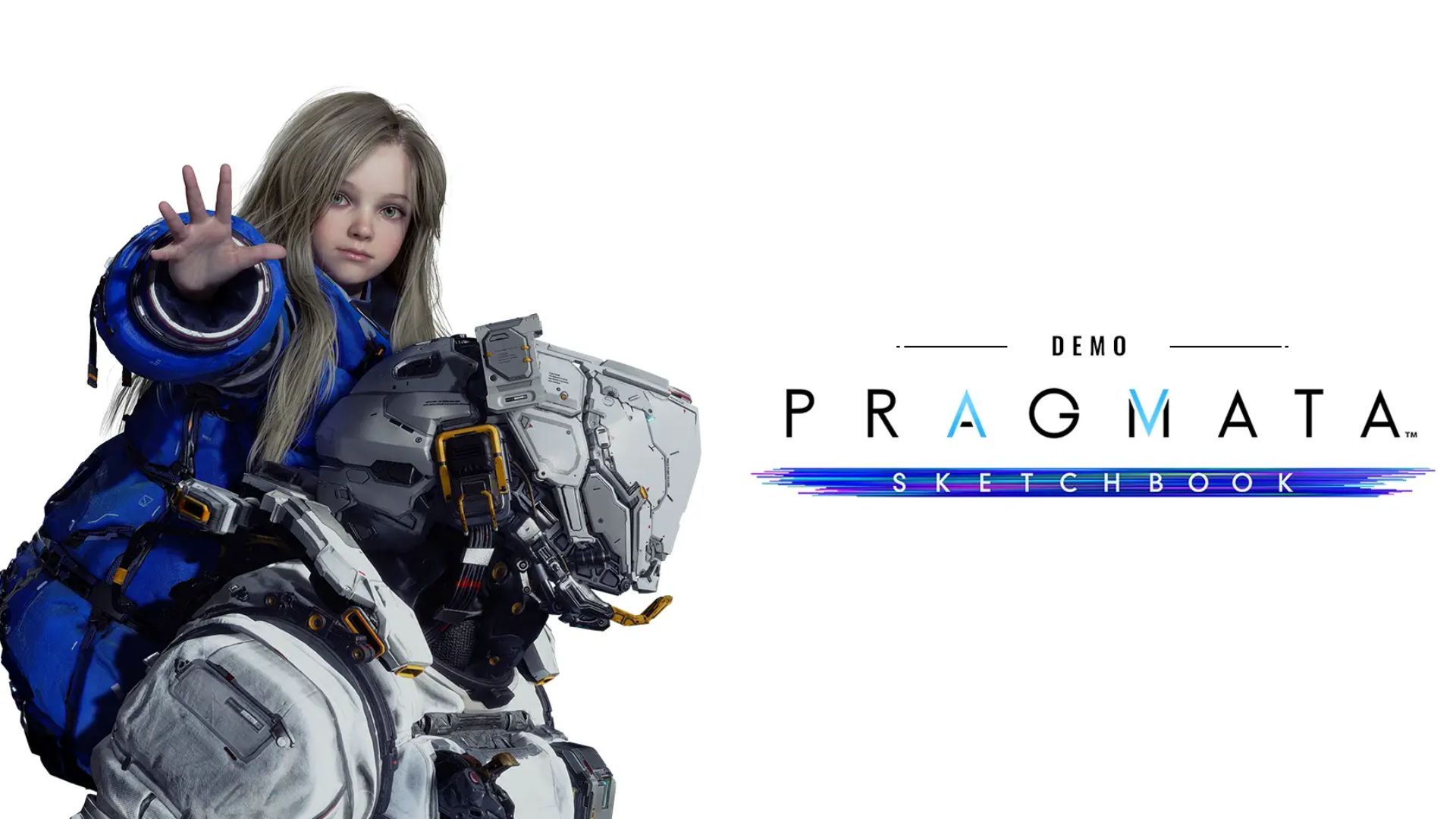

"We never imagined the game would attract this level of anticipation," said Pragmata director Yonghee Cho in a recent interview. After years of delays and mounting curiosity, that anticipation is finally about to be tested. Pragmata, Capcom's sci-fi action title, launches on PS5 April 17, and early impressions suggest it might be something genuinely special.
Pre-purchase PRAGMATA on Steam if you want to lock in your copy before launch day.
A Six-Year Journey to April 17
This game has had a rough road. First revealed back in 2020 with a 2022 release window, Pragmata was pushed to 2023, then delayed indefinitely. That kind of development history can kill a game's momentum entirely. But producer Naoto Oyama says the team never lost focus, and the response to the recently released Pragmata Sketchbook demo seems to back that up.
"We expected more mixed reactions," Oyama said. "It's been a pleasant surprise to see how much the players enjoyed it."
That demo reaction matters. It tells you something real about whether the core concept actually lands once players get their hands on it.

Shooting Meets Hacking: How the Combat System Actually Works
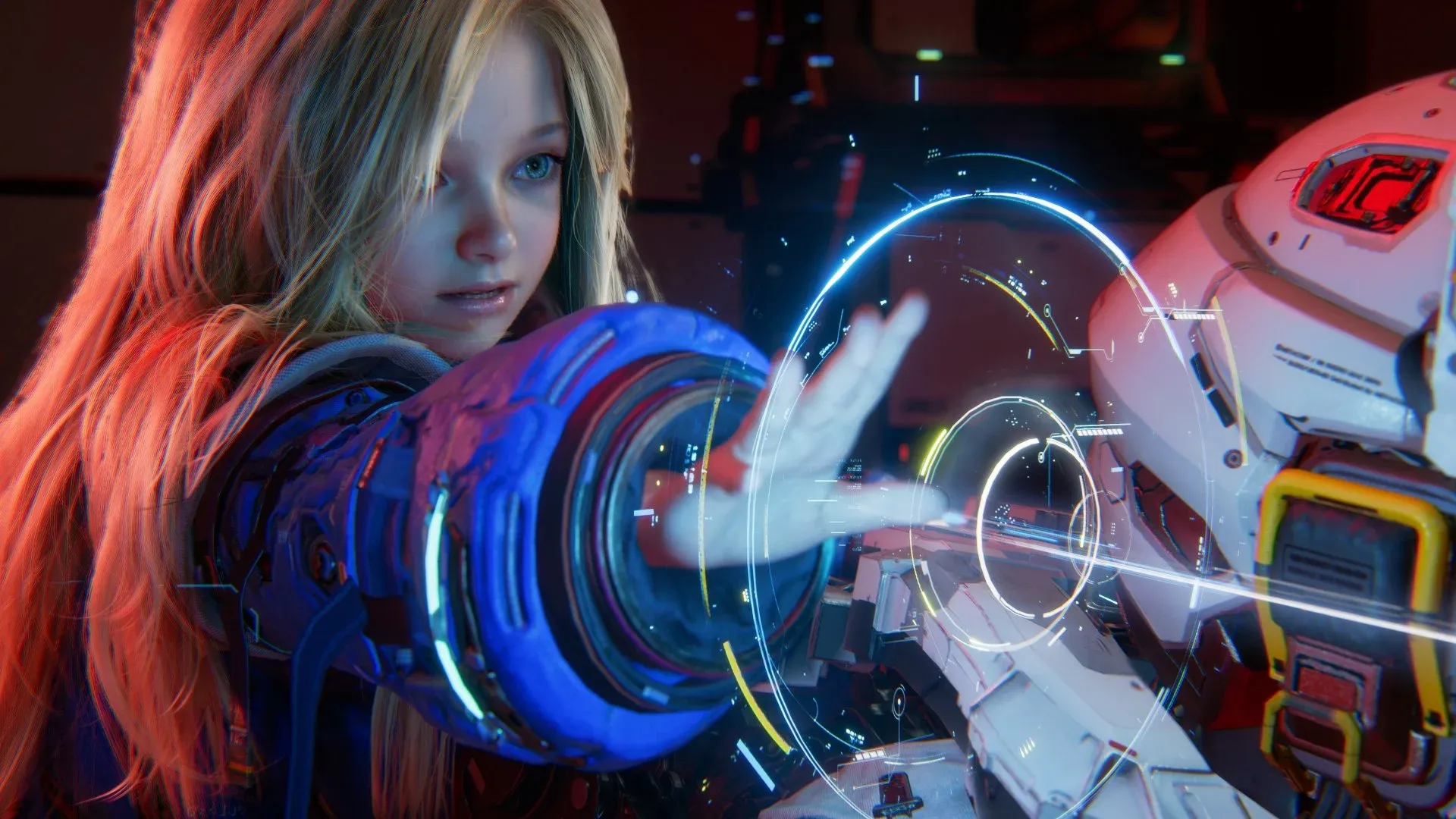
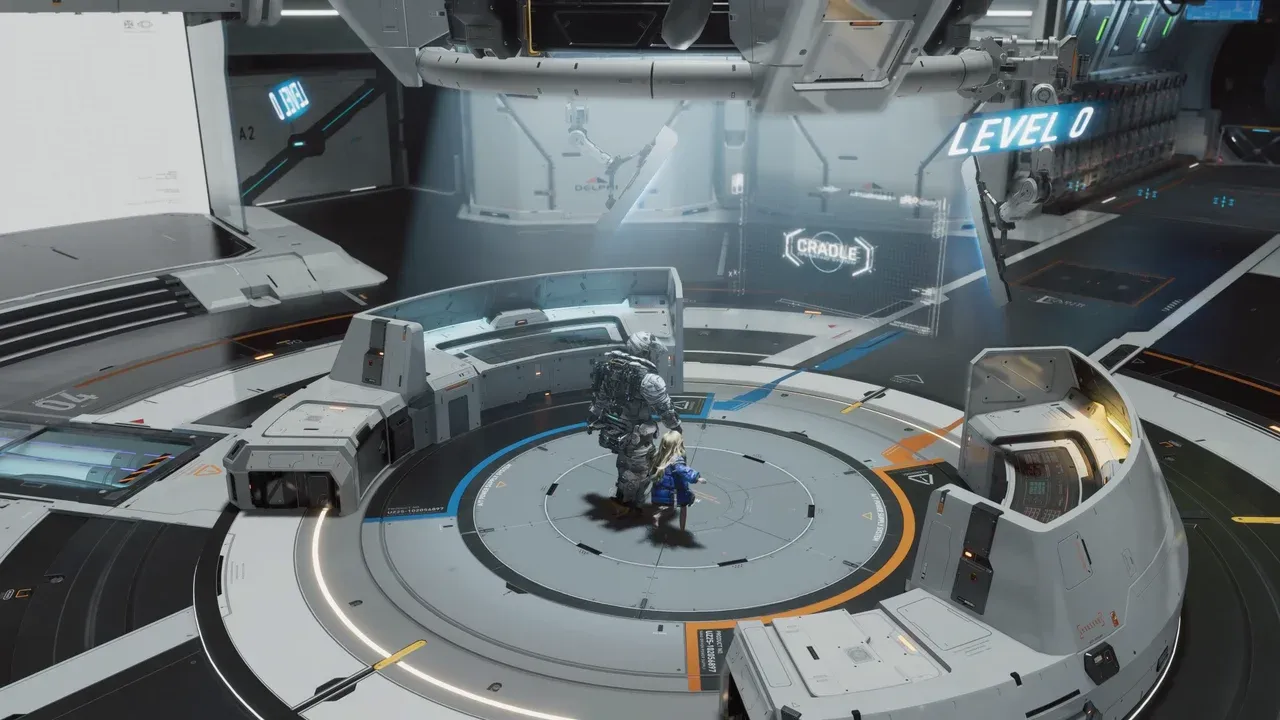
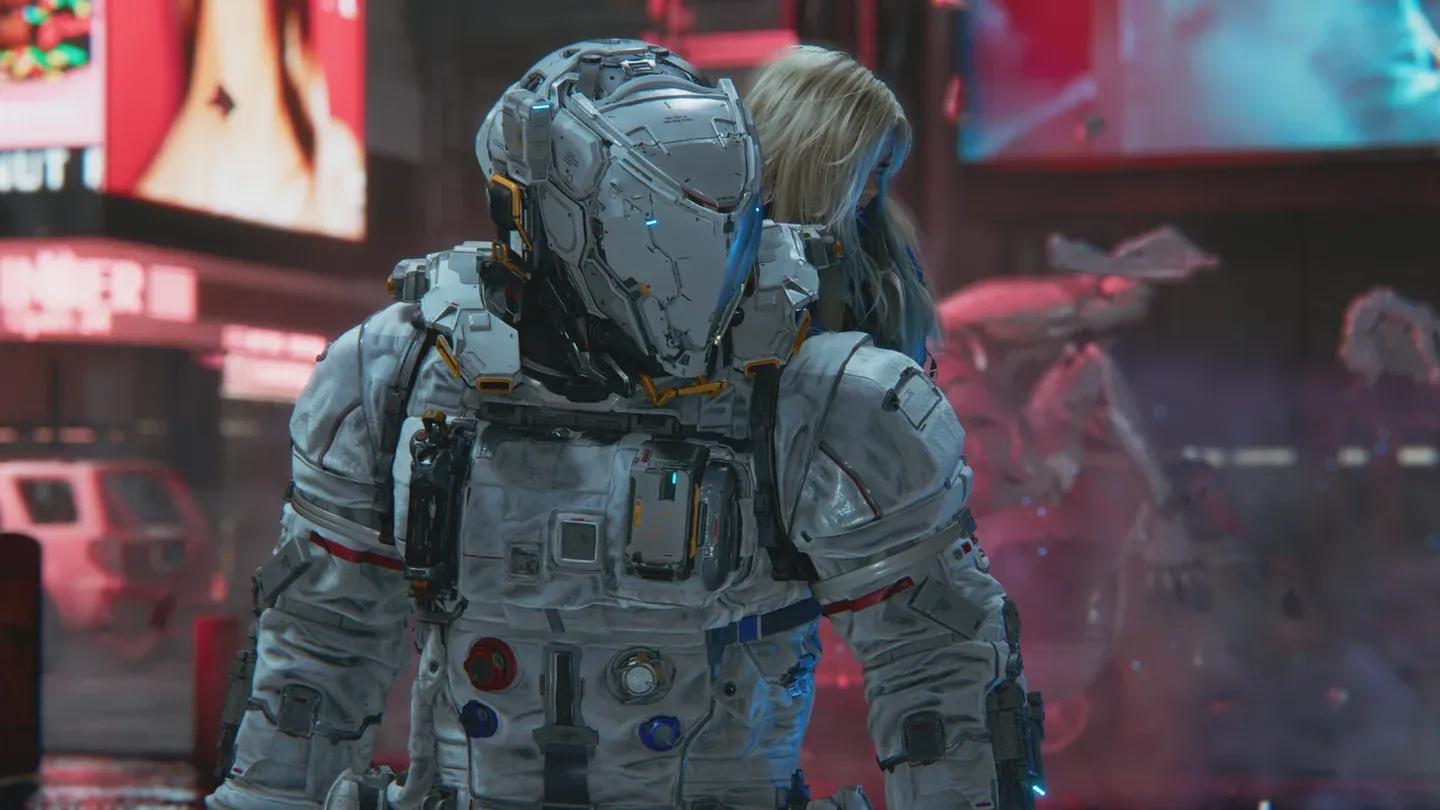
Here's the thing that makes Pragmata stand out from Capcom's usual catalog. This isn't Resident Evil with a sci-fi coat of paint. The game puts players in control of Hugh, a soldier paired with an AI companion named Diana, and the two work in tandem across firefights that blend gunplay with real-time hacking puzzles.
The hacking system didn't start as puzzles. The team went through extensive trial and error before landing on the current grid-based approach. Early prototypes triggered hacking automatically during combat, which felt passive. Giving players total freedom pushed them to just shoot everything. The puzzle system ended up being the middle ground that made both mechanics feel essential.
Players use Hacking Nodes like Decode (which weakens enemy defenses) and Multi-Hack (which spreads effects to nearby enemies). Pairing those two, for example, lets you drop the shields of multiple enemies at once before unloading a shotgun blast. As you progress, you can carry more node types simultaneously, and with enough hacking upgrades, Cho confirmed you can actually out-damage guns entirely and clear groups with a single powerful hack.
Upgrade and loadout options
The Visual and Audio Craft Behind the World
Capcom built Pragmata on the RE Engine, the same tech behind the modern Resident Evil series. But the visual challenges here were different. Where Resident Evil games lean on organic gore and environmental decay for visual texture, mechs and sci-fi hardware can look flat without careful work.
Cho described working closely with modeling and background teams to add depth through decals, subtle grooves, and surface complexity. The enemy bots were refined down to how they look after Diana's hacking destroys their shields, not just their default state.
The audio design is equally deliberate. The team analyzed environmental geometry to simulate early sound reflections, building spatial audio fields that shift based on room shape. When enemies surround you, directional cues become a genuine gameplay tool. And when you step from an indoor area onto the lunar surface, the silence is intentional. That tonal contrast is something Cho specifically called out as a moment players will want to experience themselves.
What Makes This One Worth Watching
What most players miss in early coverage of Pragmata is just how much the combat system rewards experimentation over time. The game isn't asking you to master one fixed approach. Node combinations, weapon unlocks, and upgrades open up different styles of play, whether you want to be a hacker who barely fires a gun or a shooter who uses hacking as a tactical finisher.
Capcom also confirmed that a second playthrough unlocks new outfits for both Hugh and Diana that dramatically change their appearance, a small but telling sign that the team built the game with replayability in mind.
The key here is that Pragmata isn't trying to be a faster Devil May Cry or a darker Resident Evil. It's carving its own space, and the hands-on impressions suggest it might actually pull that off.
For more on what's coming to PS5 this year, check out the latest gaming news and reviews to stay up to date as launch day approaches. Make sure to check out more: