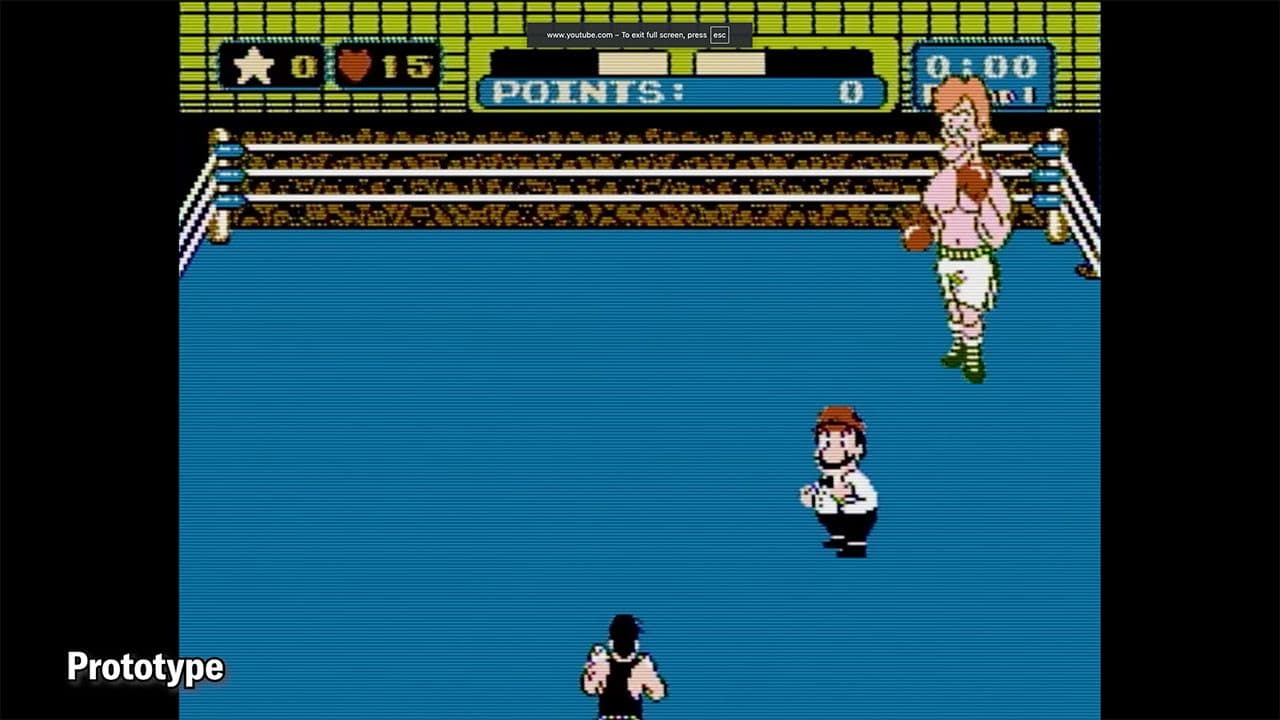

A collector just spent $60,000 on what may be the rarest NES cartridge in existence, then gave the world free access to everything on it. That's the kind of story that almost never happens in the retro game collecting scene.
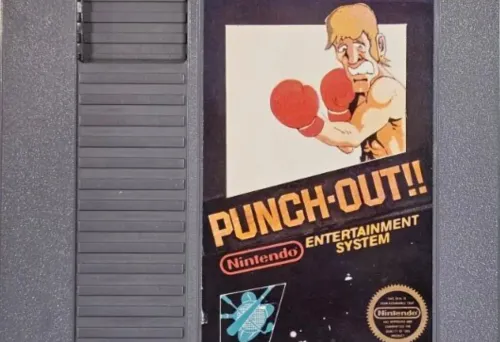
The cartridge in question is an early development build of Punch-Out, sold through Heritage Auctions after allegedly passing through a garage sale held by a former Nintendo of America employee. The anonymous buyer paid over $60,000 for it, and rather than locking it away, they allowed the ROM to be dumped and released publicly for researchers and historians to examine.
What this prototype actually contains
Here's the thing: most pre-production NES cartridges are barely different from the final retail release. A small tweak here, a placeholder asset there. This one is different.
The build predates Mike Tyson's licensing deal entirely, which means it represents a snapshot of the game from a period before the boxer's name and likeness were attached to it. Boot it up and you'll only find four of the final game's fighters present. The others exist buried in the code, but they're not accessible through normal play. There's also a hidden debug menu that lets developers cycle through character animations, the kind of internal tool that almost never survives to the collector market.
Frank Cifaldi, founder of the Video Game History Foundation, broke down the cartridge's contents in a detailed video and didn't mince words about its significance. "Not only is an early look at NES development like this rare, the fact that it's a famous first-party Nintendo game is unheard of," Cifaldi said. "I've been handling and studying NES prototype cartridges for over 25 years now, and I've never seen anything like this, either physically or digitally."
That's not hyperbole from someone prone to it. Cifaldi and the Video Game History Foundation have spent years documenting and preserving exactly this kind of material, and his reaction signals just how unusual this find really is.
The tension that always surrounds prototype auctions
Every time a rare piece of gaming history hits the auction block, the preservation community braces for the worst. The collector market has a complicated relationship with game history: the same people willing to spend tens of thousands of dollars to own a piece of it are often the least willing to share it.
The logic isn't entirely unreasonable from a collector's perspective. If the ROM is freely available online, the physical cartridge loses some of its mystique. But that logic puts personal investment ahead of historical access, and it's left plenty of rare builds permanently out of reach.
This anonymous buyer made the opposite call. After winning the auction, they gave the green light for the ROM to be released through The Cutting Room Floor, the wiki that documents pre-release and prototype versions of games. The data is now publicly accessible to anyone who wants to study it.
danger
The physical cartridge remains with its anonymous owner. What's been released is a digital dump of the ROM data, allowing researchers to study the code without needing access to the original hardware.
Why a garage sale almost buried this forever
The backstory here is almost as remarkable as the prototype itself. The cartridge allegedly left Nintendo of America via a former employee who sold it at a garage sale, which means it spent an unknown stretch of time in private hands before eventually surfacing at Heritage Auctions. How many other prototype cartridges have taken a similar path and simply never resurfaced is an uncomfortable question for anyone who cares about game history.
Cifaldi put it plainly: "I struggled to think of any other beloved game from this era where a snapshot this early in its life has survived."
Nintendo's famously tight control over its own history makes this even more striking. The company rarely discusses its own development process publicly, and the odds of Nintendo itself releasing something like this are effectively zero. That makes moments like this, where a private collector steps up and does the right thing, the only realistic path to preserving early Nintendo development history.
For anyone who wants to follow developments in game preservation more broadly, browse the latest gaming news to keep up with stories like this one. The preservation community is doing genuinely important work, and moments like this prove it can still win even when the odds are stacked against it.
The Video Game History Foundation has repeatedly made the case that the vast majority of games from earlier eras are already lost forever. A $60,000 prototype that could have disappeared into a private collection instead becoming a publicly available research resource is exactly the kind of outcome preservationists fight for. Check out more coverage and reviews of gaming history and culture as this story continues to develop. Make sure to check out more: