In the early 2000s, browser-based gaming dominated the casual gaming landscape, drawing millions of players to platforms like Miniclip and Kongregate. These sites hosted billions of sessions monthly, offering accessible experiences that required nothing more than an internet connection. By the 2010s, however, the scene had shifted dramatically. Mobile gaming's explosive growth and Adobe Flash's retirement pushed web games to the margins.
Now, a combination of technological progress and evolving player habits suggests browser gaming may be staging a return. This analysis examines why web games lost ground, what's changed since, and how these shifts connect to the emerging world of blockchain gaming.

a16z Games Logo
Rise and Fall of Web Games
Miniclip launched in 2001 and quickly became a household name through viral hits like Dancing Bush. Founders Rob Small and Tihan Presbie made their games freely available and allowed anyone to embed them on external sites. This strategy delivered massive SEO advantages, cementing Miniclip's position as the go-to destination for casual online play.
The shift came as smartphones became ubiquitous. By 2010, mobile gaming was pulling players away from desktop browsers. App stores offered frictionless downloads, touchscreen-optimized controls, and hardware built for gaming on the go. Even Miniclip pivoted, finding success with mobile titles like Subway Surfers as its browser traffic declined.
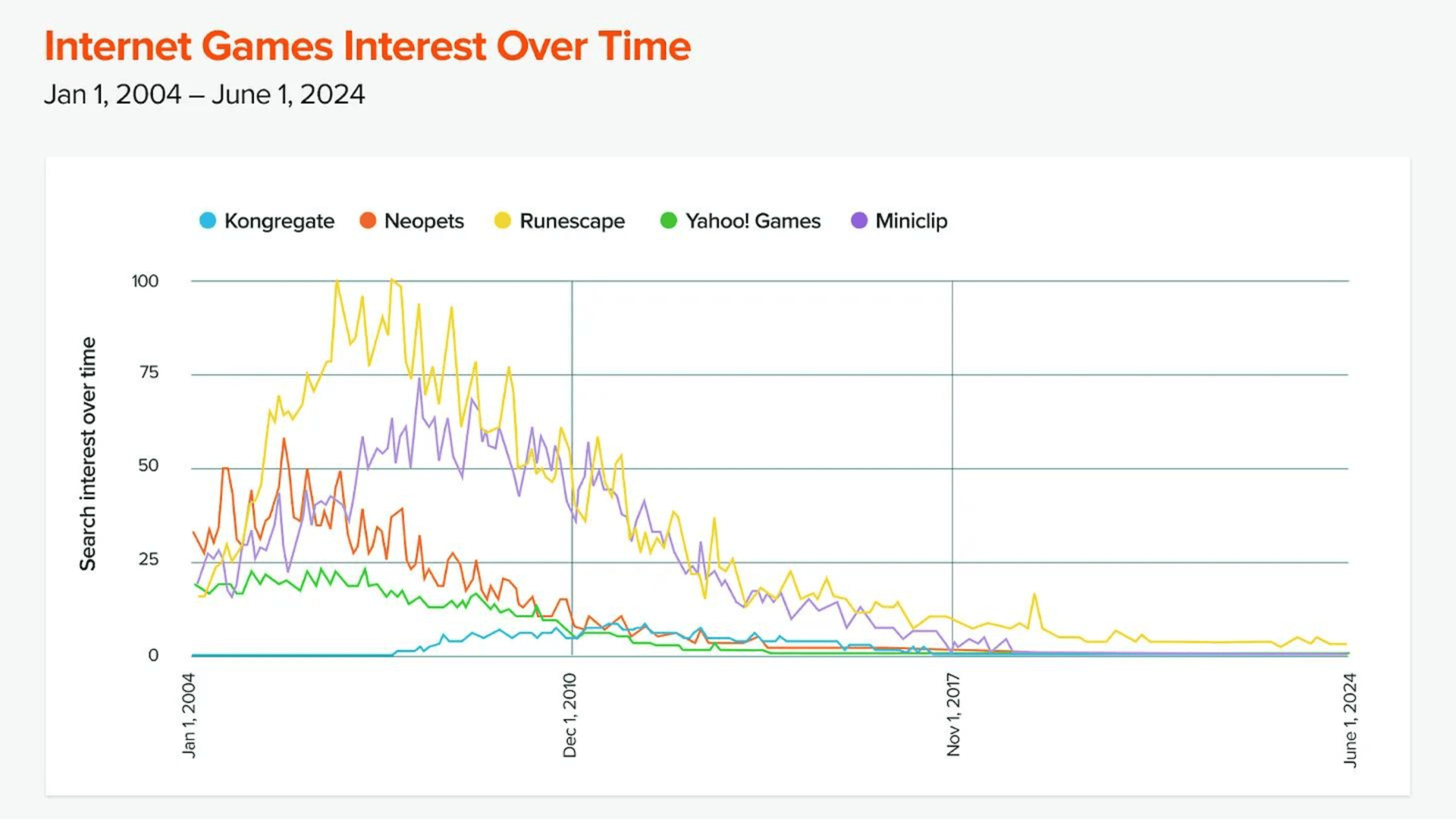
Internet Games Interest Over Time

Use code TRYHARD33 at checkout to redeem this offer before code expires again.
Get 33% Off GAMES+ Subscription
The Three Audiences of Web Games
Emily Greer, co-founder of Kongregate, breaks down the player base that fueled browser gaming's golden age. She noted that ad revenue scaled with traffic, but in-app purchases eventually accounted for 80 percent of total revenue. Average revenue per paying user in successful titles reached $200 or $300.
Greer identifies three distinct groups:
- Deep Casual Players: Regular players who didn't identify as gamers. They gravitated toward accessible browser-based puzzle and card games, then migrated to mobile hits like Candy Crush.
- Hypercasual Gamers: Players drawn to simple, viral mechanics. They followed the shift from web games to mobile as mobile marketing matured. Recent changes in mobile ad economics may push this group back toward browsers.
- Access-Disadvantaged Players: Gamers in regions with limited hardware access, or those playing at school under restrictive IT policies. Browser games solved their access problems. As mobile devices became more affordable and widespread, even this segment moved to mobile gaming.
Greer argues that web games still have a role when they address specific access gaps. She explained: "Mobile became dominant because it was a more convenient device. And then the PC is the most powerful and beautiful and performant. So when the web is winning, it's because it's meeting some access needs and filling in some niche that those two things aren't doing—it's coming in between."

Emily Greer Co-Founder of Kongregate
The New Wave of Web Games
A fresh generation of startups is betting on browser gaming's comeback. Companies like Echo Chunk AI, Lil Snack, and 2weeks Corp are building modern web games that leverage current web standards to deliver richer, more responsive experiences.
Sami Ramly, founder of Echo Chunk AI (creator of Echo Chess), points out that web games no longer mean just browsers. They can embed in apps, messaging platforms like Discord and Telegram, or spread via simple links. This removes the friction of app store downloads. Travis Chen of Lil Snack agrees, noting players can jump into a web game within seconds without installing anything.
Ramly added: "I think this maybe was a solid argument 5-10 years ago because having an app you love right there on your home screen was a great reminder of a daily habit you're forming. But these days most people have so much app fatigue and so many apps on their phones that grooming your home screen is a chore in itself. You even have to search for the app you're thinking of!"

Sami Ramly Founder of Echo Chunk AI (Making Echo Chess)
Advancements in Web Technology
The technical gap that once separated browser games from console and PC titles has narrowed significantly. HTML5, Unity, and PlayCanvas now support complex, high-performance experiences. WebGL and WebAssembly bring near-native performance to the browser.
Brandon Dillon, CEO of 2weeks Corp, highlights how these tools are changing what's possible. WebGL 2.0 and the upcoming WebGPU deliver graphics quality comparable to the Nintendo Switch. While AAA games remain out of reach due to hardware constraints and download size limits, developers can now create engaging, performant experiences that run across a wide range of devices.
Dillon explained: "Historically, web tech didn't have the performance or responsiveness needed to build games that were competitive with traditional gaming platforms. This was true even in the height of the Flash era, the last big wave of web games—you could build some pretty credible 2D games in Flash, and there was a ton of fun and innovative stuff getting made, but no one would mistake them for PC and console games of the era."
HTML5 vs Unity
Challenges and Opportunities
Browser games still face real limitations. Developers can't rely on large initial downloads, and they must support varied hardware configurations. These constraints, however, can also be strengths. The need to create fast-loading, broadly compatible games aligns perfectly with viral growth strategies.
As mobile app fatigue grows, the instant access web games offer becomes more appealing. Whether through browsers or embedded in other platforms, web gaming is positioned for a resurgence, attracting both new players and those nostalgic for the Miniclip era.
Dillon noted: "The constraints of the web encourage you to build experiences that can run on a wide range of hardware and that players can get into instantly. These are exactly the things you want to optimize for if you want an experience that's primed for discovery and growth."
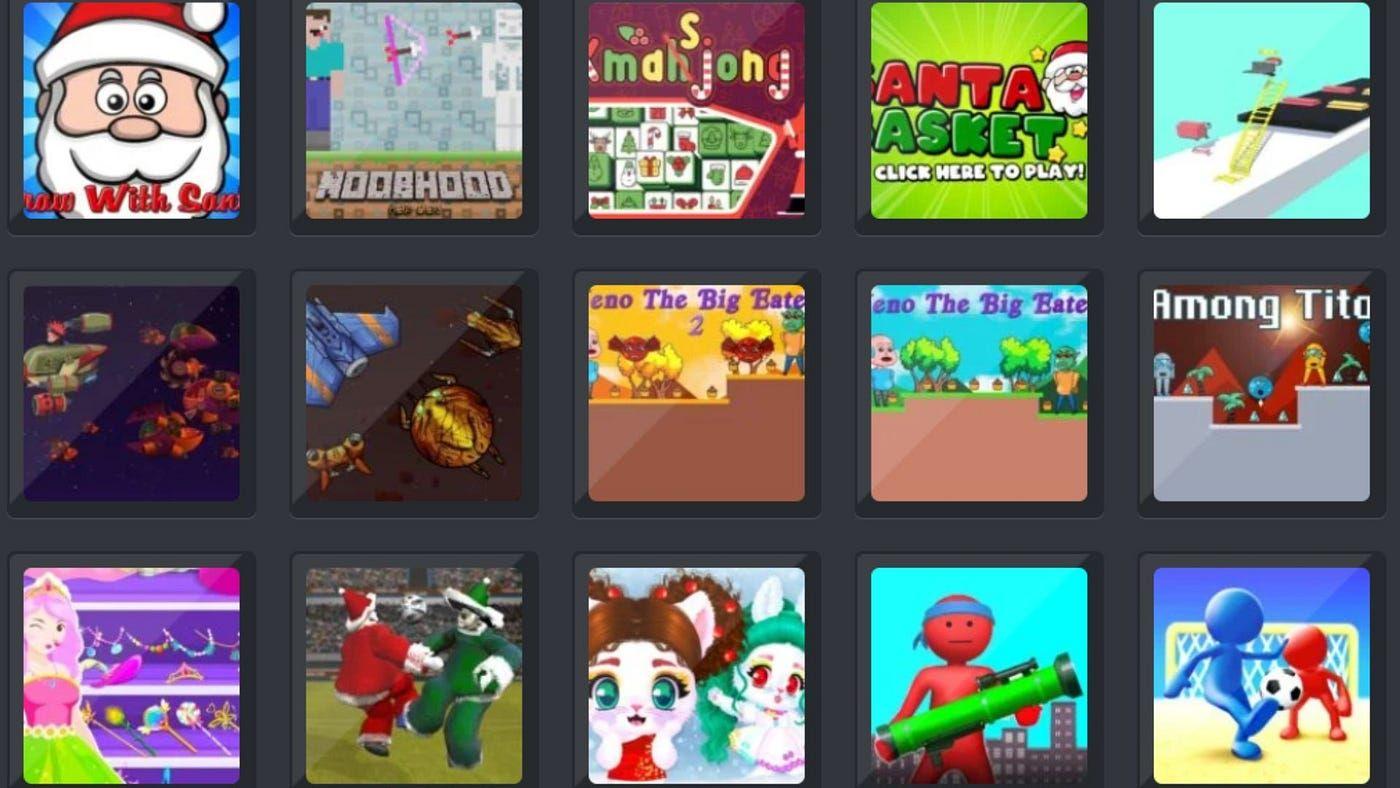
Old Web Games
Relevance to Blockchain Gaming
The parallels between web gaming's potential comeback and blockchain gaming's growth are hard to ignore. Both prioritize accessibility and decentralized distribution. Web3 gaming uses blockchain to enable true ownership, interoperability, and new monetization models. Early web games democratized access through browsers. Blockchain games aim to democratize ownership and economic participation.
As HTML5 and WebGL enable more sophisticated browser experiences, blockchain games can build on this foundation. Browser-based web3 games align naturally with blockchain's open, decentralized ethos. The same technological advances driving web gaming's return could accelerate blockchain gaming's adoption, creating seamless experiences that don't require downloads or centralized app stores.
The golden age of browser gaming may be behind us, but the conditions for a new era are forming. Whether this renaissance materializes depends on how well developers capitalize on modern web technologies and shifting player preferences.