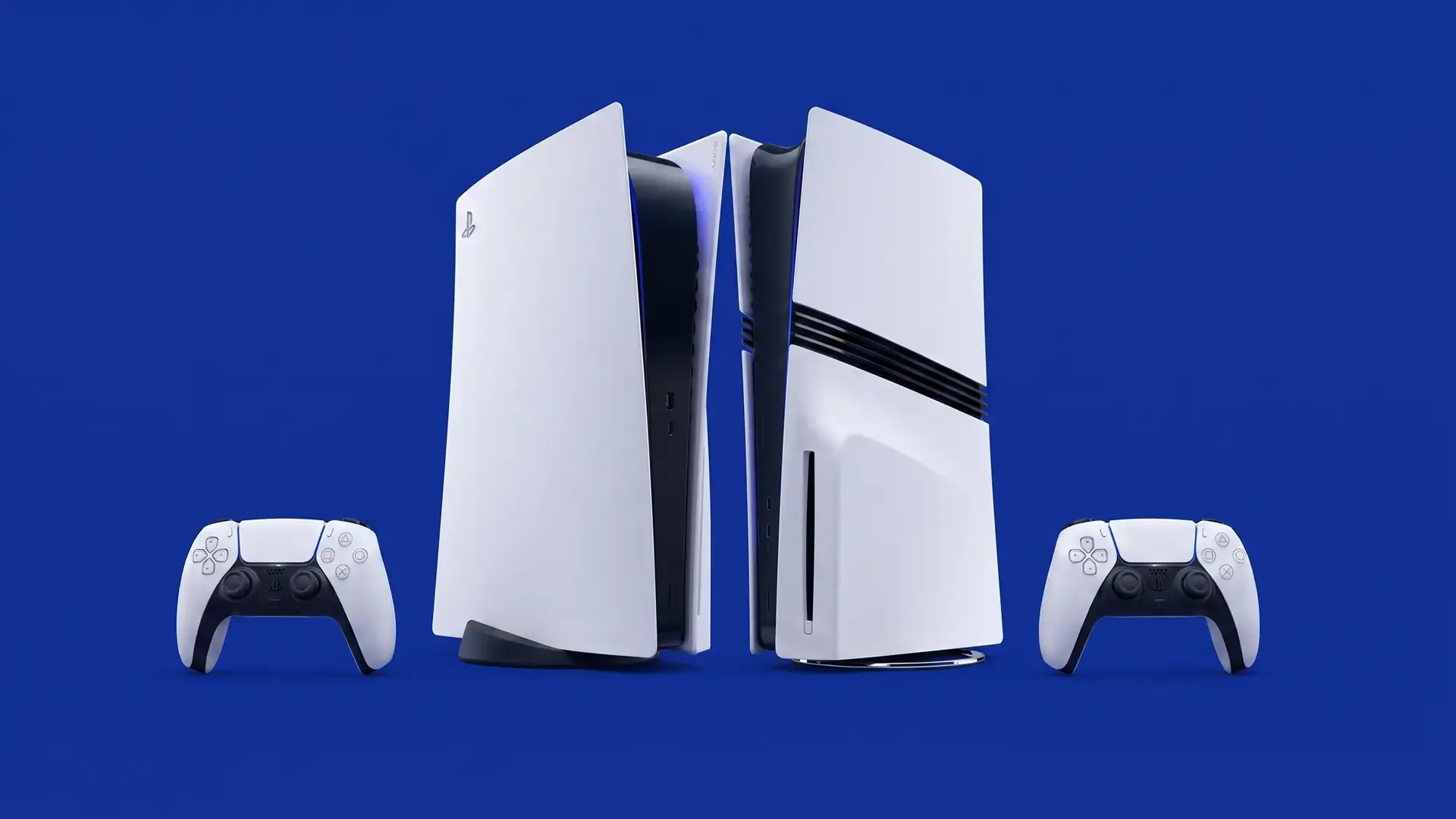


Think back to the last time you actually drove to a store to buy a game. For most PlayStation players, that memory is getting hazier every year. Now Sony Interactive Entertainment has put a hard date on the end of that ritual: starting January 2028, all newly released PlayStation games will be distributed digitally only, with no Blu-ray disc versions produced for new releases going forward.
Games already on shelves before that cutoff stay available in physical form until stock runs out. But from January 2028 onward, if you want a new PlayStation title, you are buying a license from the PlayStation Store, full stop.

Use code TRYHARD33 at checkout to redeem this offer before code expires again.
Get 33% Off GAMES+ Subscription
Why 80% was always going to win
Here is the thing: Sony did not make this call on ideology. The numbers made it for them. Approximately 80% of full-game PlayStation sales during the company's most recent fiscal year were digital purchases. That figure has climbed almost every year since the PlayStation 4 launched in 2013, when digital represented a fraction of overall software revenue.
U.S. retail spending on new physical video games has dropped to its lowest recorded level since market tracking began in the mid-1990s, a collapse that has pushed major retailers to shrink shelf space for boxed games considerably. When 4 out of 5 players are already buying digitally, the cost of maintaining a physical supply chain starts looking hard to justify.
The financial logic for publishers is straightforward:
- No disc manufacturing or packaging costs
- No warehouse storage or shipping overhead
- Faster simultaneous global launches
- Higher per-unit margins
- Full control over pricing, discounts, and promotions
- Elimination of the pre-owned resale market entirely
That last point is where players and publishers have always disagreed, and this decision makes Sony's position on it permanent.
What collectors and resellers actually lose
The collector community has a legitimate grievance here. Physical editions carry real value beyond nostalgia: steelbook cases, printed manuals, limited-run artwork, and the basic ability to resell or lend a disc to a friend. A boxed copy can often be found at retail for less than the digital asking price, and it holds resale value on the secondary market.
More practically, a disc does not disappear when a licensing deal expires. Digital storefronts have already demonstrated they can delist content with little warning, and players who paid full price for a digital copy have no fallback. The concern is not hypothetical.
History does suggest that discontinued physical editions tend to appreciate over time. Limited-print PlayStation titles from previous generations have sold for multiples of their original retail price. Whether PlayStation 5 disc releases follow that pattern is less certain, because most modern games require ongoing patches, online authentication, or live-service infrastructure that may not exist in ten years regardless of the format.
What this signals for the PlayStation 6
The January 2028 deadline lands squarely in the window most industry observers expect PlayStation 6 to arrive. Sony has not confirmed PS6 hardware specs or a release date, but a digital-only software policy rolling out at the same time as a new console generation is not a coincidence. The PS6 will almost certainly be positioned around digital distribution as the default experience, with the disc edition potentially becoming a premium or niche option rather than the standard.
For players who care deeply about PS5-era hardware features, the shift to digital has real implications beyond just format. The DualSense's haptic feedback and adaptive trigger systems, which games like Battlefield 6 and Starfield have built specific mechanics around, are tied to platform-level software that Sony controls entirely in a digital ecosystem. You can check out how those features work in practice with our Battlefield 6 adaptive triggers guide and the Starfield PS5 DualSense and PS5 Pro modes breakdown. In a fully digital platform, Sony's ability to update, adjust, or sunset those features sits entirely with them.
The broader industry picture
Microsoft has been moving in this direction for years through Xbox Game Pass and its digital-first Xbox Series S hardware. Nintendo still ships physical cartridges alongside digital downloads, though Switch 2 software pricing has already sparked its own debate about what players are paying for. Sony's announcement is the clearest signal yet that the console industry's physical era has an expiration date.
The key here is understanding what this transition actually transfers: power. Pricing, availability, backward compatibility, and long-term access all shift further toward platform holders and publishers when there is no physical alternative. For players, that means staying informed about what you are buying and what rights come with it. Our gaming guides hub covers platform-specific features across current-gen titles as Sony's ecosystem continues to evolve toward its all-digital future.