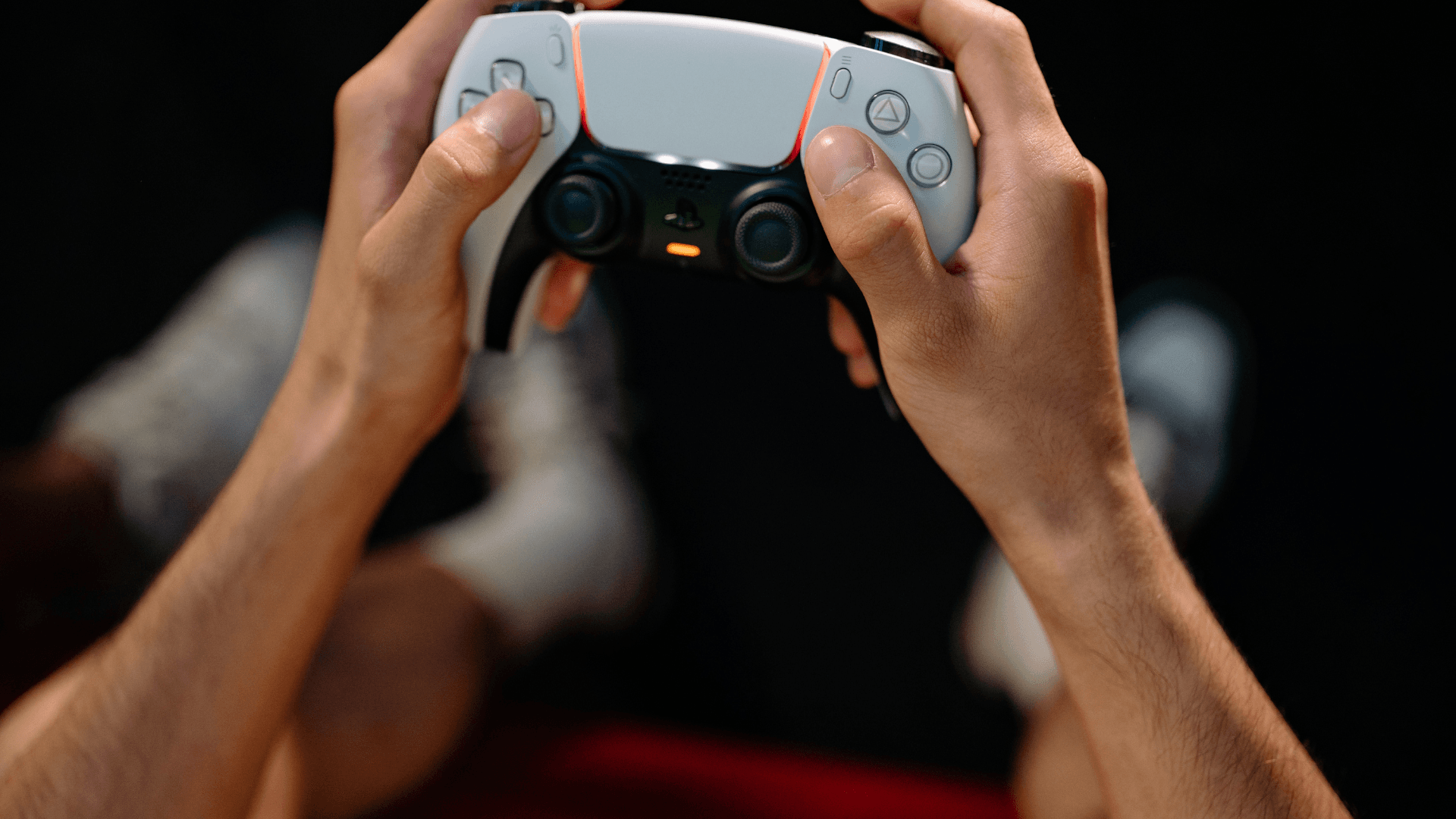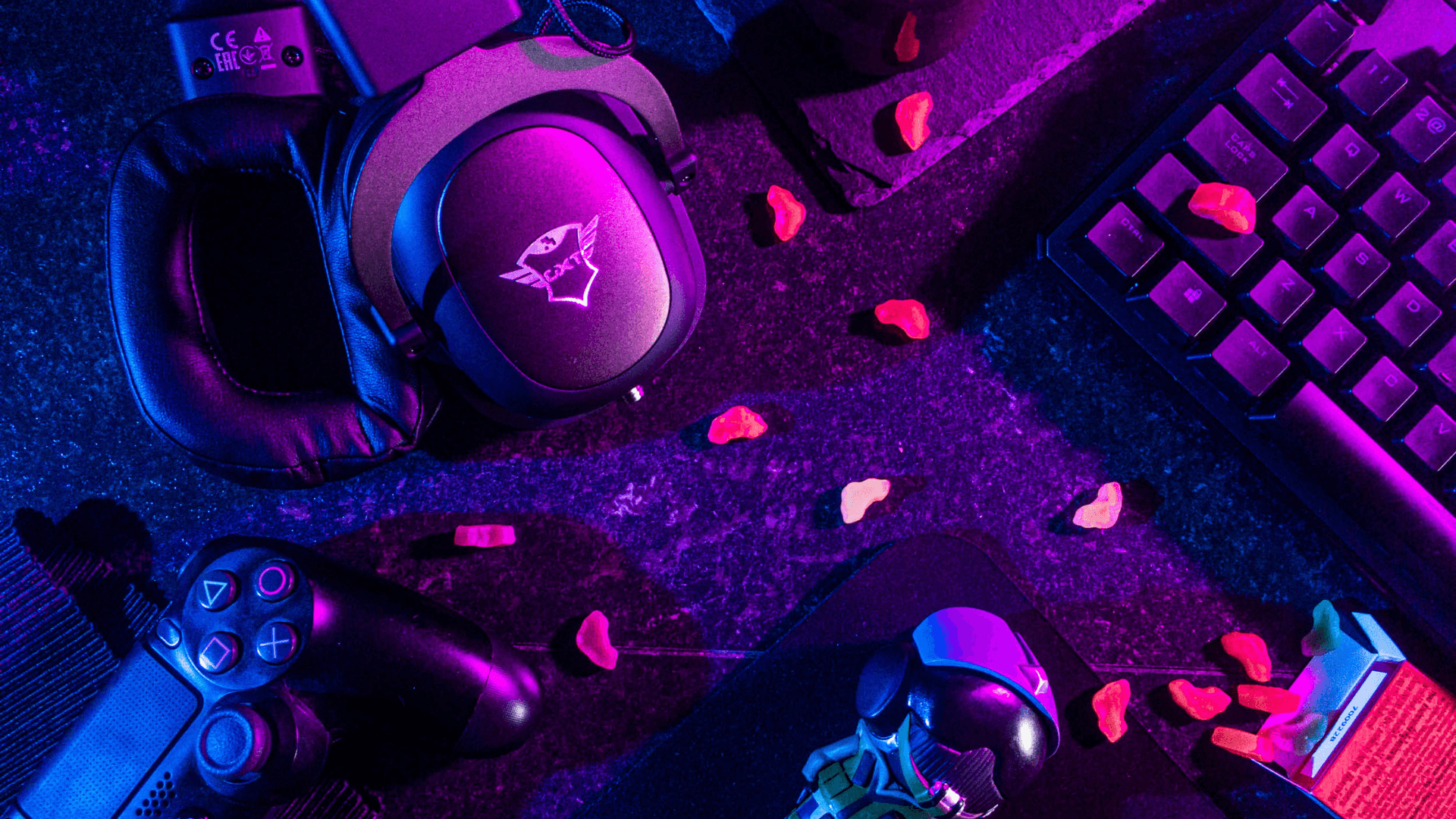


Sony just confirmed it will stop producing physical PlayStation games. Full stop. If you've been sitting on a pile of digital-only titles and telling yourself you'd eventually go back to buying discs, that window is now closing in real time.
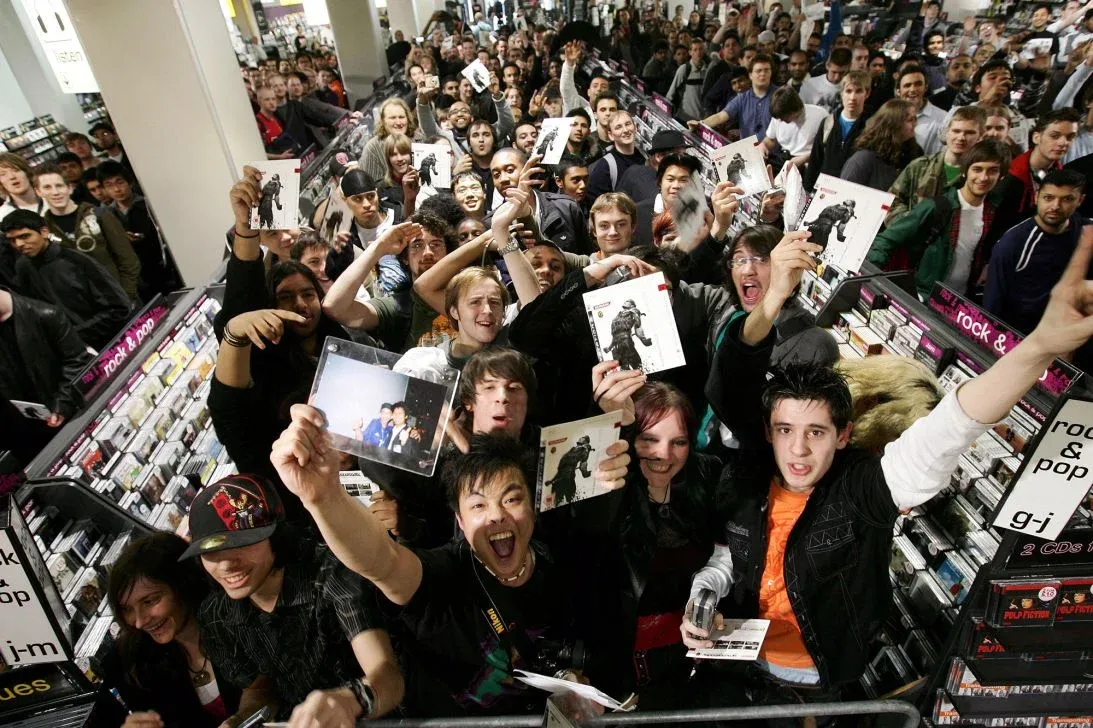
The announcement landed this week and sent the physical media community into a predictable spiral. Physical game collectors, preservation advocates, and everyday players who just prefer owning their stuff all have legitimate reasons to be frustrated. Ownership matters. The ability to lend, sell, or simply keep a game on your shelf without worrying about a server shutdown is not a trivial concern.

Use code TRYHARD33 at checkout to redeem this offer before code expires again.
Get 33% Off GAMES+ Subscription
Why this hits harder than a typical digital-vs-physical debate
Here's the thing: this isn't just about nostalgia or aesthetic preference. When a publisher stops pressing discs, the secondary market dries up, preservation becomes harder, and the only path forward for most players is a digital storefront that Sony controls entirely. Prices, availability, and access all sit behind a login screen.
The argument that optical discs were never a perfect medium for games is fair. Blu-rays are slow compared to SSDs, scratches can kill a game permanently, and the installation process on PS3 and PS4 made the disc feel almost ceremonial rather than functional. But the disc represented something the download never can: a physical object you own outright.
For anyone planning to keep a PS5 long-term, the next few months are probably the last realistic chance to fill in gaps in a physical collection at reasonable prices. Holiday sales, retailer clearances, and the general panic-buying that follows announcements like this tend to push prices in both directions simultaneously. Some titles spike immediately. Others get discounted as retailers move stock.
What the end of discs signals for the PS6
The timing here is not accidental. Sony moving away from physical media now strongly suggests the PS6 will launch as a digital-first or digital-only platform. The disc drive attachment for the PS5 was already a signal that physical was being treated as optional rather than standard. Ending production of physical games while the PS5 is still the current console just accelerates that trajectory.
For players with large disc libraries, this creates a practical problem. The PS5 disc edition will eventually stop being manufactured too, which means your ability to play physical games long-term depends on hardware that won't be replaced.
Nintendo's return to cartridges with the Switch 2 looks increasingly like the contrarian move that ages well. Silicon-based physical media solves most of the problems that made Blu-rays frustrating: fast load times, no moving parts, no scratching. The irony is that the format best suited to physical game ownership is the one Sony abandoned back in the PS1 era.
What physical media fans should actually do right now
Pro tip: treat this like a closing sale, not a crisis. The games aren't disappearing from shelves tomorrow, but the supply of new physical copies will stop being replenished once production winds down. Retailers will sell through existing stock, and that's it.
If you're planning to pick up upcoming PS5 releases, check whether physical editions are confirmed before assuming they'll exist. Some upcoming titles like the games covered in our Saros file size and pre-load date guide and the Pragmata game size and preload date guide are still targeting physical releases, but the window for that to be standard is narrowing.
The key here is prioritizing titles you actually want to own permanently. Live-service games and anything with heavy online dependencies are less urgent since the disc is often just a launcher anyway. Single-player games, complete editions, and anything with strong replay value are the ones worth tracking down physically while you still can.
For players already eyeing late-2026 releases, our Call of Duty: Modern Warfare 4 pre-order guide breaks down every edition and retailer perk, including whether physical options are on the table. The physical vs. digital question is going to come up for every major release from here on out, and the answer is going to keep changing.