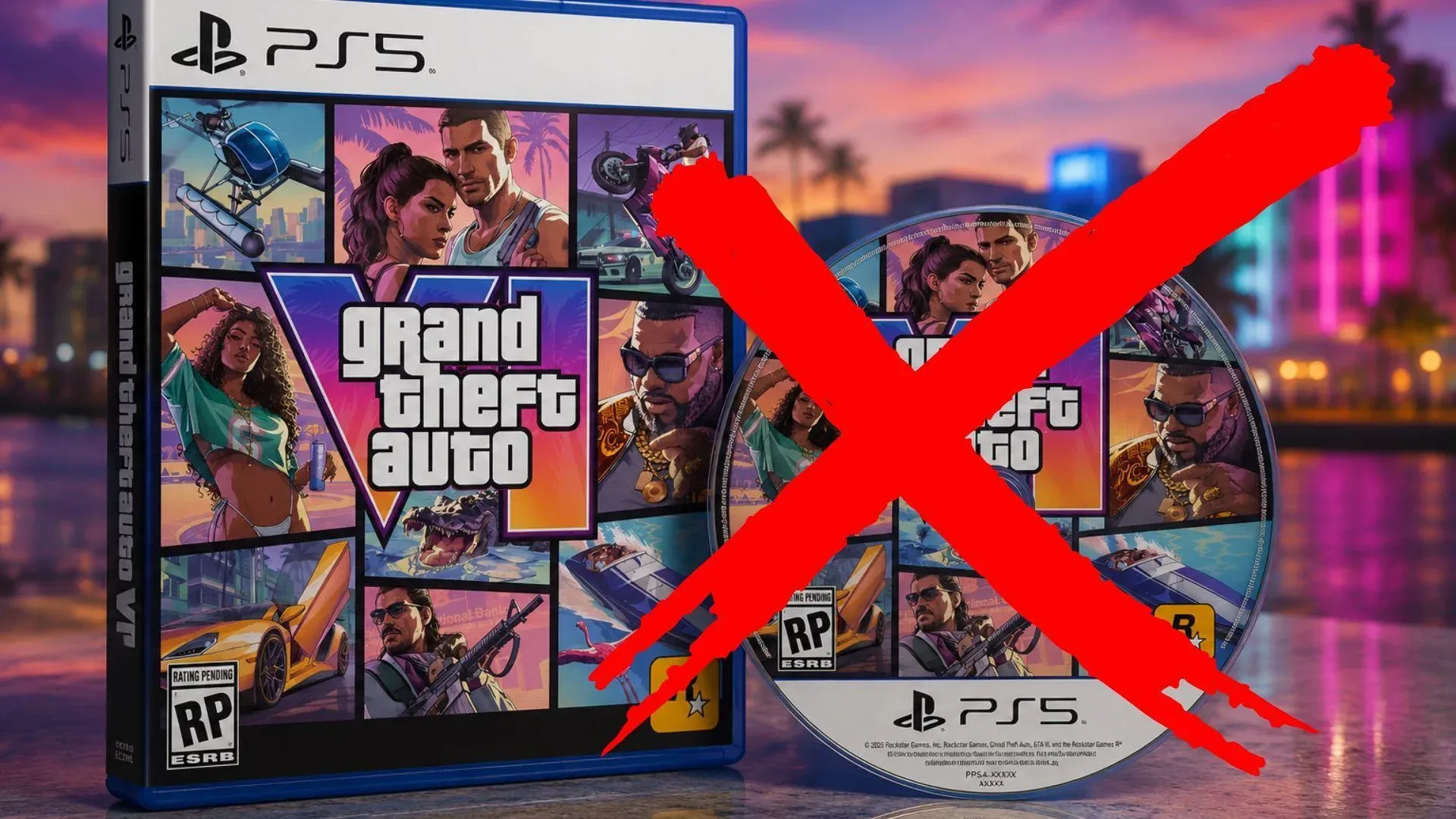


Sony confirmed this week that it will stop producing physical PlayStation games, closing the door on a format that has shipped titles since the original PlayStation launched in 1994. The announcement has sparked predictable outrage from physical media advocates, and that reaction is completely fair. But buried inside the debate is a question worth separating out: is losing physical games a tragedy, or is losing the disc specifically?
Here is the lowdown. Those are two very different things.

Use code TRYHARD33 at checkout to redeem this offer before code expires again.
Get 33% Off GAMES+ Subscription
Physical games matter, but the format never did
The case for physical media is real and worth defending. Ownership, preservation, the ability to lend a game to a friend or pick up a used copy years after a studio shuts down its servers, all of that has genuine value. Nobody reasonable disputes it.
The disc, though? That is a separate conversation entirely.
Sony introduced CD-based games with the original PlayStation in the mid-1990s, and the format stuck through DVD with PS2 and PS3, then Blu-ray with PS4 and PS5. Each generation brought more storage capacity, but the fundamental problems never went away. Optical discs are slow. They are noisy. They scratch. Get a smudge in the wrong spot and a game becomes unplayable in a way that a skipping album track simply is not.
The PS2 and PS3 eras made the read-speed problem especially obvious. Developers eventually worked around it by requiring full installs to the console's hard drive, which meant the disc sat in the tray doing almost nothing while eating up storage space anyway. That workaround essentially made the disc vestigial long before Sony officially pulled the plug.
Why cartridges always made more sense
Games are not films. A movie has a start, a middle, and an end. You press play, you receive it, you're done. Optical discs were designed by the hi-fi industry as a successor to vinyl, and they work well for exactly that kind of linear, passive media.
Games are interactive and non-linear. They read data constantly, jump between assets unpredictably, and demand near-instant access times. Silicon, whether ROM cartridges in the NES era or the fast solid-state storage in modern consoles, handles all of that far better than any spinning disc ever could.
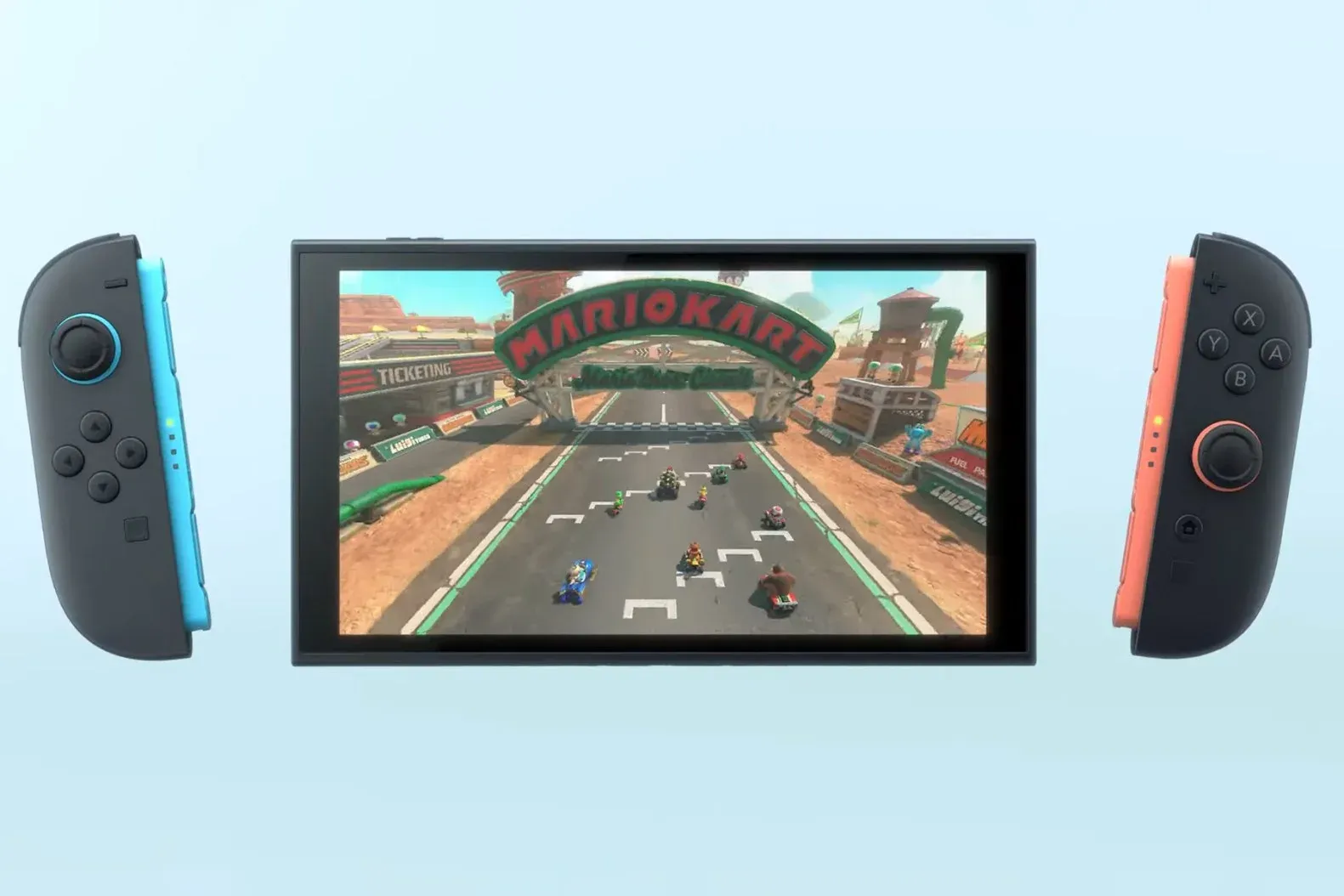
Nintendo understood this implicitly. The company famously walked away from its disc-based partnership with Sony in the early 1990s, a decision that inadvertently created PlayStation as a competitor. Strategically, that was a costly mistake. Technically, staying on cartridges was the right call. Nintendo 64 games loaded instantly. GameCube's miniDVD format felt like a step backward. The Switch returning to cards felt like the platform finding its footing again.
What the disc exit actually signals for PS6
The bigger question is what Sony's decision means going forward. Dropping disc production now, during the PS5 generation, strongly suggests the PS6 will launch without a disc drive at all, or at best offer it as an expensive optional add-on. The digital-only PS5 model was the test run. This announcement is the confirmation.
For players who care about storage management ahead of big upcoming PS5 titles, it is worth checking practical details now. The Saros file size and pre-load date guide breaks down exactly how much space you will need and when pre-loading opens, which matters more than ever as the library shifts entirely to downloads.
The key here is that physical game advocates and disc skeptics are not actually in disagreement. Everyone who values game preservation wants physical media to survive. The disc just was not the best version of that. Cartridges, solid-state cards, and chip-based storage have always been a better match for how games actually work.
Sony ending disc production is a business decision driven by digital sales growth, manufacturing costs, and the reality that most players stopped buying discs years ago. Whether the physical games community can pressure the industry toward a chip-based alternative, the way Nintendo has demonstrated is viable at scale, is the conversation that actually matters now. Check the Saros free PSN avatars guide for a small but concrete example of how Sony is already leaning into digital-only perks as the disc era winds down. For a broader look at what is coming to PS5 before the format shift completes, the gaming guides hub has storage and pre-load info for the biggest upcoming releases.