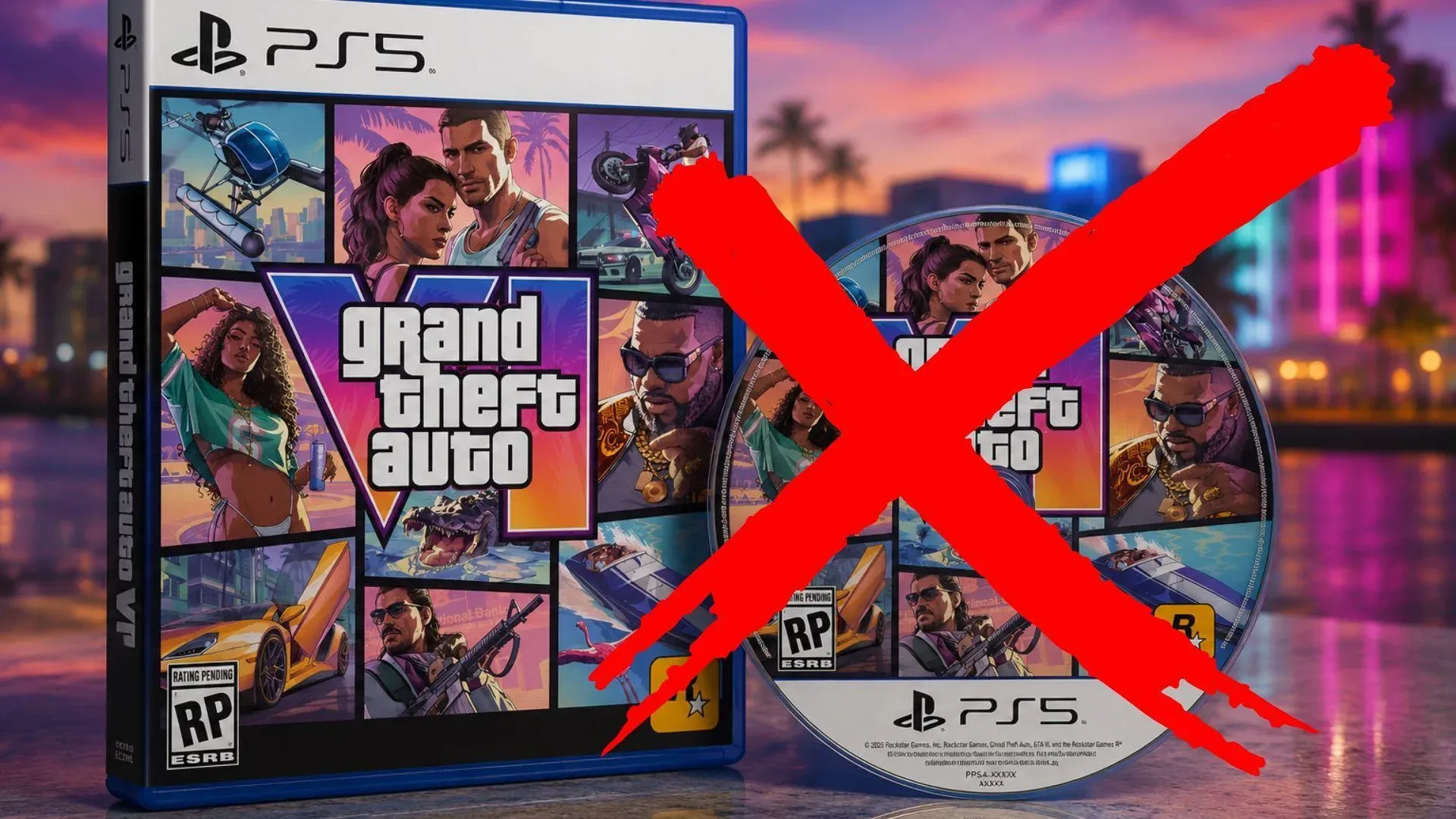


Physical game discs are quietly becoming a thing of the past, and Grand Theft Auto 6 may have just set the template for what replaces them. Rockstar's decision to ship GTA 6 as a code in a box rather than a disc-based release was controversial enough on its own. Now, industry analysts are predicting that approach is about to become the norm across the entire industry.
Pre-orders for Grand Theft Auto VI are now open, you can pre-order here.
The analyst call that has physical media fans worried
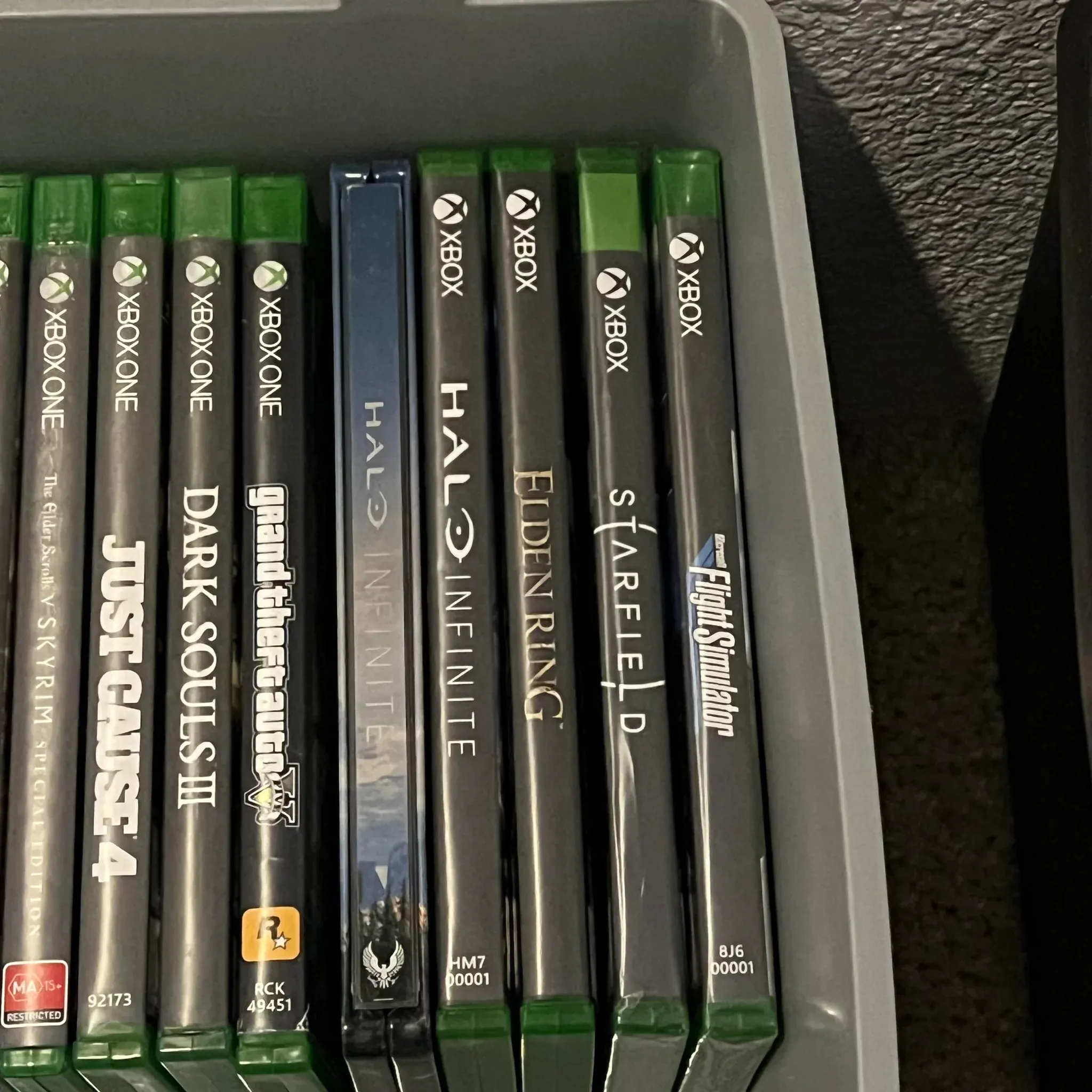
Circana senior director and industry analyst Mat Piscatella laid it out plainly in a recent podcast conversation: "There's still going to be codes in a box and there's still going to be special editions." That prediction lands at a moment when Sony has confirmed it will halt disc production from January 2028, and Xbox is reportedly moving toward a digital-exclusive hardware strategy with its next platform.
Here's the thing: codes in boxes are not physical games. They are digital licenses with a plastic shell around them. You cannot resell them. You cannot trade them in. If your account gets hacked, banned, or the platform shuts down a storefront, that box on your shelf becomes worthless. The code-in-box format carries every risk of digital ownership while maintaining the retail price point of physical media.
A billion-dollar market being quietly hollowed out
The physical games market has been shrinking for years, but the numbers still tell a story worth paying attention to. US physical game software revenue peaked at $11.5 billion in 2009. By mid-2026, that figure had dropped to $1.6 billion annually. That is a steep decline, but $1.6 billion is not a rounding error. Publishers and platform holders are not abandoning physical retail because it stopped making money. They are restructuring it into something that looks physical but functions entirely as digital.
Sony's move has already sparked PS Plus boycotts and widespread frustration online, compounded by the fact that current-generation console prices have crossed the $1,000 mark for premium configurations. Replacing discs with codes in boxes is not going to defuse that frustration. If anything, it accelerates it.
The second-hand market is the clearest casualty here. Codes can only be redeemed once, which means the used game ecosystem that sustained generations of budget-conscious players simply stops existing for new releases. That hits younger players and those in lower-income brackets hardest, and no amount of collector's edition packaging changes that reality.
What GTA 6 started, everyone else may finish
GTA 6 drew real backlash when its disc-free physical release was confirmed. Rockstar's game is one of the most anticipated releases in years, which means its release format carries outsized influence over industry norms. When a title this big ships as a code in a box and still sells in enormous numbers, it signals to every other publisher that the format is commercially viable regardless of player sentiment.
Nintendo remains the notable holdout, continuing to ship actual game cards with its releases. That position looks increasingly isolated as Sony and Xbox converge on the same direction.
The key here is understanding what you are actually buying when you pick up a code-in-box release. The box does not grant ownership. It grants access, on the platform holder's terms, for as long as the platform holder decides to honor it. PlayStation already demonstrated this recently by removing over 500 StudioCanal films from customer accounts without compensation, offering a preview of what that arrangement looks like in practice.
If you are planning to pick up GTA 6 at launch, check out the GTA 6 editions guide covering Standard vs. Ultimate and every pre-order bonus before committing to a version, since the physical box no longer changes what you actually receive.