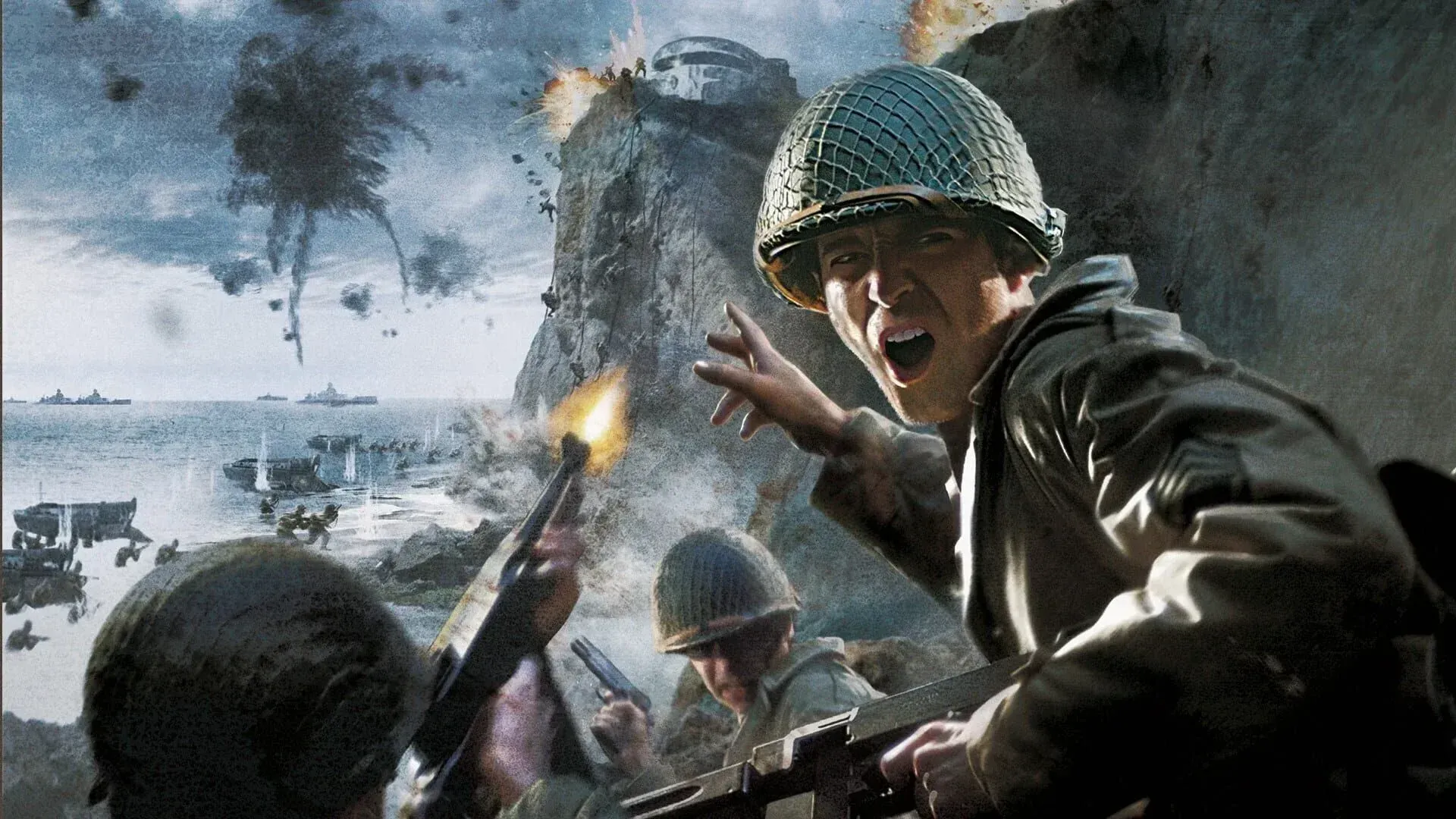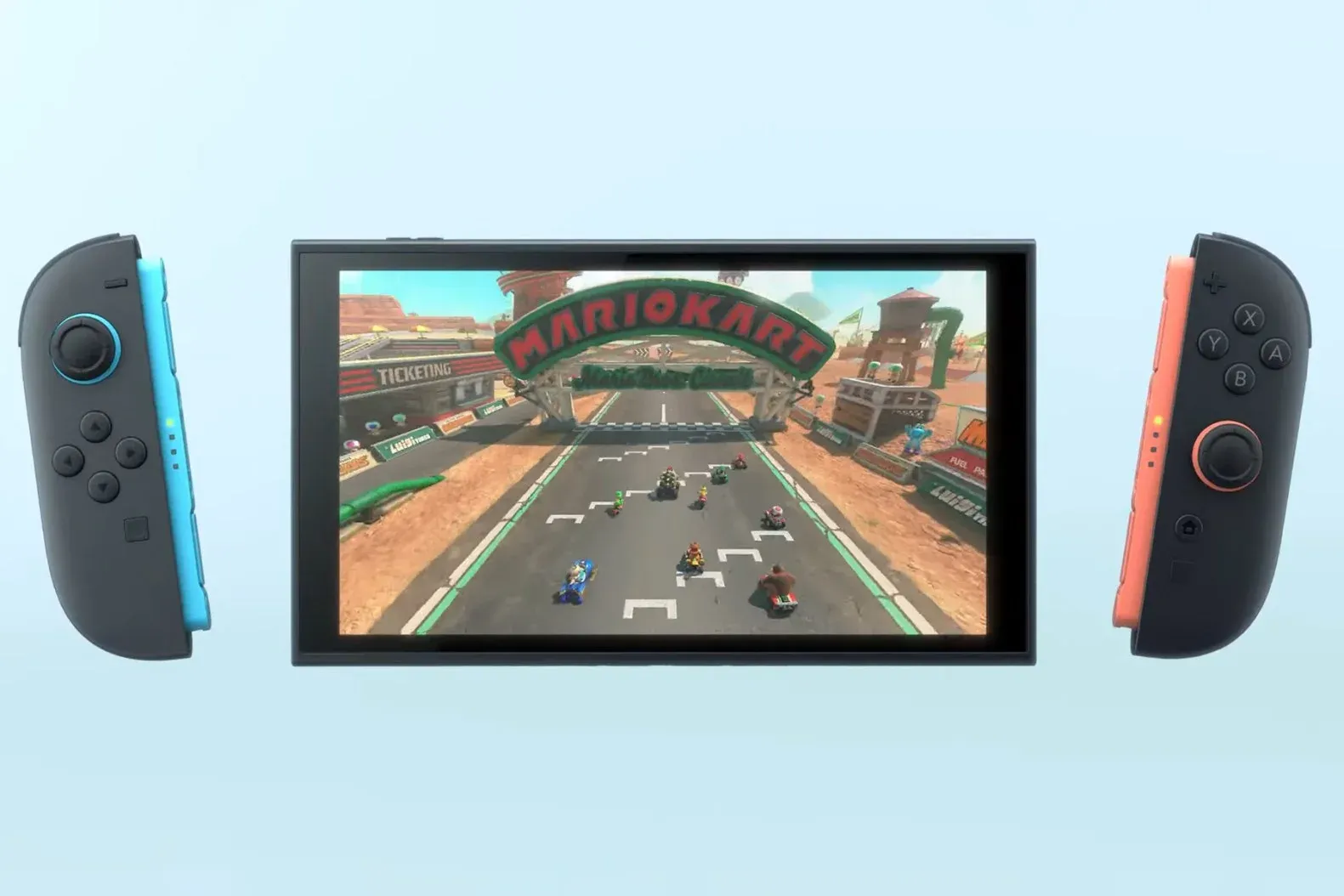


Sony just announced it will end production of PlayStation games on physical disc entirely. Xbox is reportedly preparing layoffs described as some of the largest the industry has ever seen. And Nintendo? Nintendo is sitting on nearly $14 billion in cash reserves, quietly selling first-party digital titles at a $10 discount, and posting Splatoon weapon reveals on social media like nothing is wrong.
The contrast is almost absurd.
Use code TRYHARD33 at checkout to redeem this offer before code expires again.
Get 33% Off GAMES+ Subscription
How the other two platforms got here
The problems at Sony and Microsoft did not appear overnight. Both companies spent years chasing growth over profit, a strategy that looked smart when interest rates were low and gaming was booming post-pandemic. Sony poured money into live-service projects, most of which failed to land. Microsoft spent roughly $69 billion acquiring Activision Blizzard, then proceeded to close several of the studios it had purchased over the previous years. The logic was always market share first, sustainability second.
Here's the thing: that playbook works until it doesn't. And right now, it very much doesn't.
Sony ending physical disc production is a significant move, especially given how vocal parts of the gaming community remain about physical ownership. The timing is rough. Players who already felt burned by the shift toward digital-only and always-online requirements now have one more reason to feel like the platform they invested in is pulling the rug out from under them. If you want to see how PlayStation fans are reacting to the PS5 Pro's software updates amid all this, the Infinity Nikki v2.5 PS5 Pro upgrade guide gives a decent window into what Sony's hardware is actually delivering for players right now.
Why Nintendo's boring strategy is suddenly brilliant
Nintendo's approach has always looked a little unfashionable next to the spectacle of Sony and Microsoft. Cheaper, less powerful hardware. Smaller development teams. Modest game file sizes. A company that, by most accounts, runs like a well-managed manufacturing business rather than a Silicon Valley growth machine.
That conservatism is paying off.
Nintendo employees stay with the company for an average of 14.4 years, a stat that tells you a lot about how the company treats its workforce compared to the layoff cycles now routine at larger studios. The Switch 2, even after a price increase later this year, is expected to stay under $500, partly because its modest RAM and storage allocations insulate it from the memory chip shortage that is driving costs up elsewhere. Game-key cards drew criticism at launch for not containing actual game data, but they are not tied to a license. You can sell them, trade them, lend them. That turns out to matter a lot when Sony is removing the disc option entirely.
Nintendo also made acquisitions sparingly. It did not go on a studio-buying spree during the pandemic era boom, which means it does not have a roster of newly purchased developers to shut down when the numbers stop working. The whole operation is, as one industry observer put it this week, run like a paper mill. Balanced books, retained staff, no dramatic restructuring announcements.
The profit motive versus the growth motive
What most players miss in the "Nintendo is the good guy" narrative is that Nintendo is not doing any of this out of generosity. The company is extremely motivated by profit. The difference is that Microsoft and Sony have been chasing growth, which means acquiring market share as fast as possible regardless of short-term losses. Nintendo has been chasing actual, realized profit, which means keeping costs low, retaining talent, and not overextending.
The result is that when the market gets difficult, Nintendo has $14 billion in reserves and a hardware platform that does not depend on cutting-edge components. Sony and Microsoft are making painful cuts because the growth strategy requires constant expansion to justify itself. Nintendo never needed to expand that aggressively because it was always focused on making money rather than capturing territory.
It is worth noting that Nintendo is not without its own consumer-unfriendly decisions. Game prices have historically been high and stayed high. The company has been aggressive with intellectual property enforcement. The Switch 2's game-key card situation was genuinely confusing at launch. None of that disappears because Sony and Xbox are having a bad year.
But right now, in the summer of 2026, Nintendo is the one platform holder that is not announcing layoffs or removing ownership options from its players. For anyone keeping score, that is a meaningful gap. Check out the Nioh 3 character creation codes guide for a look at one of the stronger PS5 and PC releases navigating this strange moment, and head to the guides hub for more coverage across all platforms as the industry continues to shift.