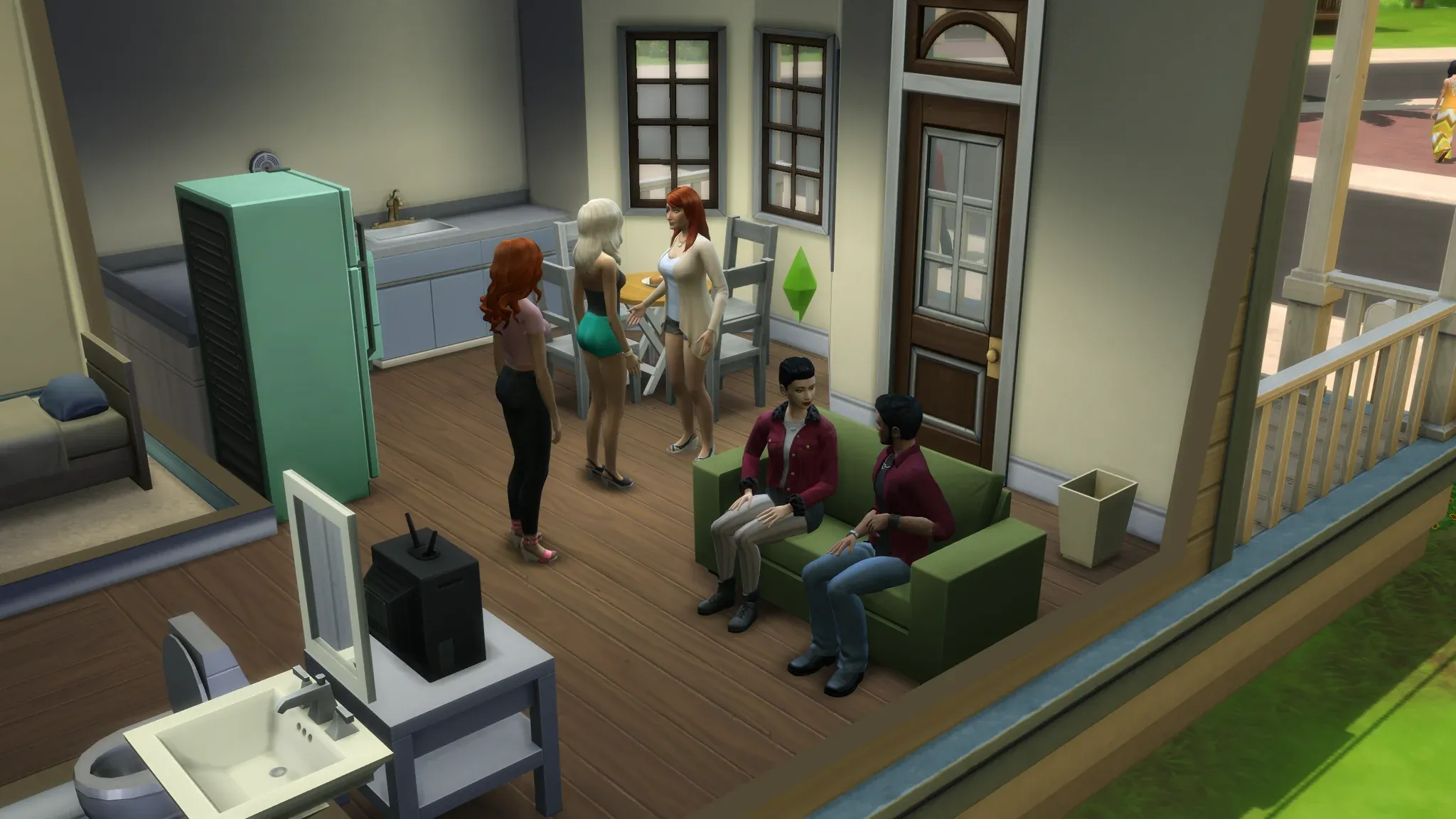

Sul sul! If you know exactly what that means without thinking twice, congratulations, you have spent a medically concerning number of hours in The Sims 4. A new simlish quiz is making the rounds, and it is a proper test of how deep your Sims knowledge actually goes.
The quiz covers 10 simlish words and phrases pulled from across the Sims series, ranging from the easy stuff that any casual player would recognize to some genuinely tricky ones that only dedicated simmers will nail. You get just over eight minutes to work through all 10 questions. That sounds comfortable until you hit question six and realize you have no idea what "chibi tumba loonuck voo vats nooboo" is referencing.
What simlish actually is (and why it stuck around)
Simlish is not random noise. The Sims Studios has discussed the language's creation multiple times, and the short version is that it was deliberately designed to be phonetically expressive without mapping to any real language. The goal was to give sims emotional range through sound without locking the game to a single localization. A sim sounds happy, frustrated, or terrified in simlish regardless of what language the player speaks.
That design decision, made all the way back in the original Sims game, turned out to have serious staying power. Simlish has been consistent enough across the series that players genuinely pick up vocabulary over time. "Sul sul" for hello, "dag dag" for goodbye, "nooboo" for baby. These are not things most players consciously memorized. They just absorbed them through thousands of hours of gameplay.
The language even has its own version of famous songs. Artists including Katy Perry, Paramore, and Lily Allen have recorded simlish covers of their tracks specifically for The Sims games over the years. That is how seriously the franchise has taken its fictional language.
The quiz questions, from warm-up to wall
Here is the thing: the quiz starts friendly. "Sul sul" and "dag dag" are the kind of phrases anyone who has touched the series will recognize immediately. "Nooboo" for baby is common enough that it has leaked into actual Sims community vocabulary, with players using it in forums and social posts without even thinking about it.
Then it gets harder. The question about "oh feebee lay" asks what your sim needs when they wave their hands and say it. If you have ever seen a sim desperately gesturing near a toilet, you probably know this one. But questions about "leefuh" and its correct grammatical usage in a sentence? That is where casual players hit a wall.
"Haspa" is another one that long-time players will recognize from context even if they never consciously registered the word. It is what sims yell in a panic, and the answer connects to one of the more dramatic events that can happen in a household.
Why this kind of community content keeps the Sims fandom going
The Sims franchise has one of the most active long-term communities in gaming. Part of that comes from the sheer depth of the game itself. Part of it comes from content like this, which rewards players for the time they have actually put in. Knowing that "mik, mak, maka" is the simlish equivalent of counting one to three is not something you look up. You just know it, eventually, because you played enough.
What most players miss is how much the simlish vocabulary reflects the emotional design of the game itself. Every phrase has a feeling attached to it. The language was built to carry tone, not information, which is why it works even though nobody ever sat down and studied it.
If you want to go deeper into the game beyond its secret language, the Sims 4 guides collection covers everything from building to expansion packs. For players exploring the newer in-game economy, the Moola currency guide breaks down how the Marketplace system works and what you can actually do with it.