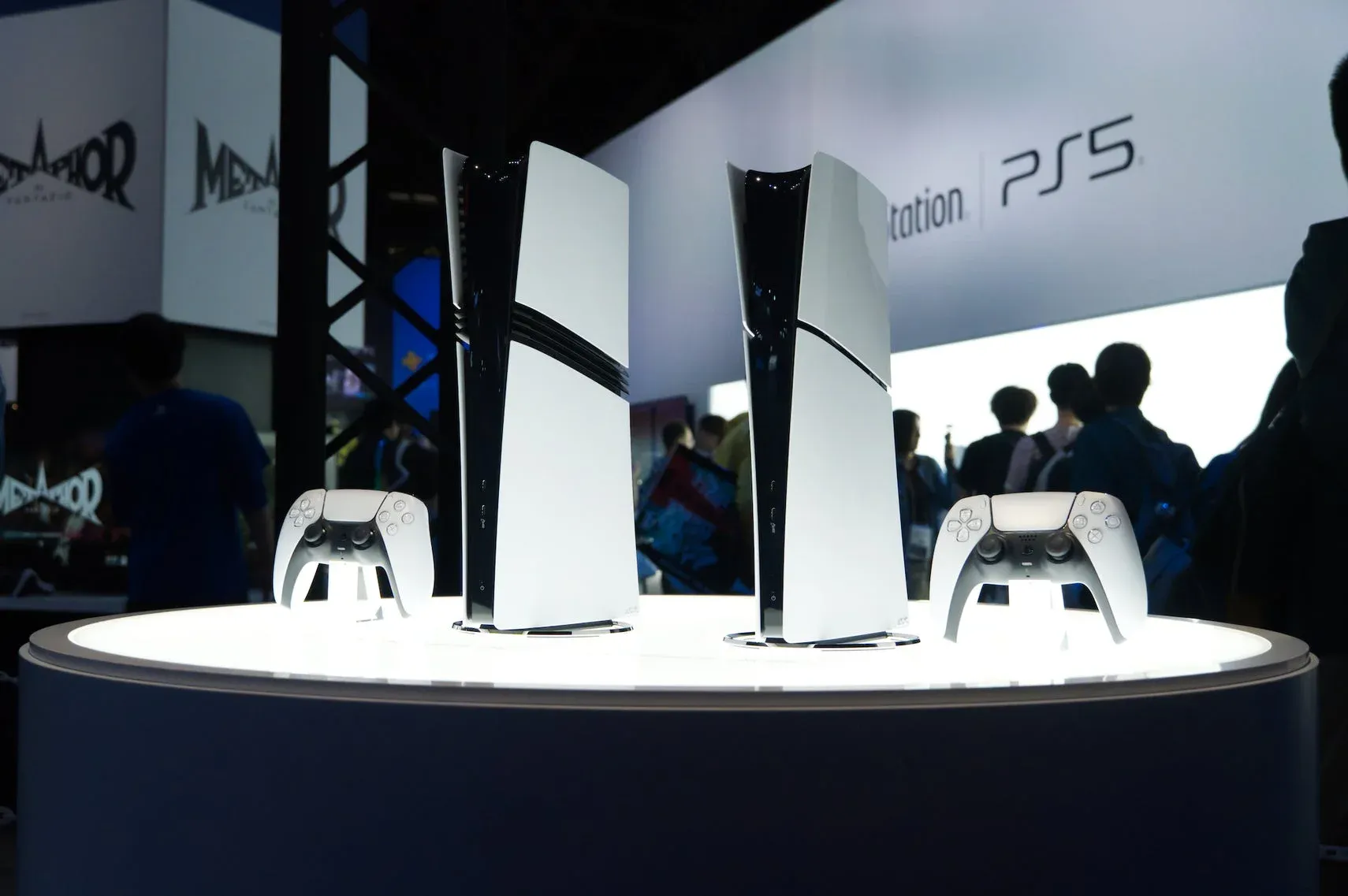


The sequence of events here is worth spelling out. Earlier this year, Sony announced significant price increases across its PS5 console lineup, with the cheapest model now sitting at $599 on its own. Hardware sales slowed sharply in the wake of those hikes. Now, buried in a formal business filing submitted this week, Sony has revealed its next move: sell fewer consoles on purpose, and skip the promotional deals that typically drive holiday sales.

Use code TRYHARD33 at checkout to redeem this offer before code expires again.
Get 33% Off GAMES+ Subscription
Why selling less can actually mean losing less
Here's the thing: the logic only makes sense once you understand what is happening to memory component costs right now. AI infrastructure demand has created an enormous strain on the global supply of RAM and storage chips. Major manufacturers like Samsung and SK Hynix have redirected factory capacity toward enterprise contracts with data centers, which pay significantly more per unit than the consumer electronics market. The result is that the components required to build a PS5 have become dramatically more expensive, to the point where Sony appears to be losing money on each console sold, even after the price hikes.
The exact language from Sony's filing reads: "Sony expects to be affected by the impact of increased prices and supply shortages of memory semiconductors" and plans to "manage the impact on profitability by flexibly adjusting plans for, among other things, unit sales and promotions."
Translated: fewer consoles sold, no Black Friday bundles, no holiday deals. If you are losing money on every unit, selling more units just makes the loss bigger.
What this means for players trying to buy a PS5 right now
The practical impact is straightforward and not great. At this stage in the PS4's lifecycle, that console was available for as little as $299, often bundled with a major release. The current PS5 starts at $599 with no bundle. Promotional pricing during peak retail seasons, which has historically been one of the main entry points for late adopters, looks unlikely to happen.
For players still on the fence about upgrading, the message is clear: do not expect a deal to come along. If you are planning to pick up a PS5 before GTA 6 launches, you will want to budget at full price. Check out our Ghost of Yotei best PS5 settings guide if you do make the jump, since squeezing the most out of the hardware matters more when you are paying a premium for it.
The install base pivot and what it signals for PS6
Sony's CFO outlined a complementary strategy during a recent investor call, pointing to "prioritizing monetization of the installed base" and expanding "software and network services revenue." The company already has a substantial PS5 install base to work with, and the plan appears to be extracting more value from existing owners through PS Plus and software sales rather than chasing new hardware customers at a loss.
The key here is what this signals for the next generation. If memory costs remain elevated when the PS6 enters production, Sony could be staring at a launch price that makes the current PS5 look affordable by comparison. Some industry observers have floated figures north of $800 to $1,000 for a PS6 at launch, which would represent a fundamentally different relationship between Sony and its audience than any previous generation.
The PS3 launched at $599 in 2006 and the backlash was severe enough to reshape Sony's entire market approach for years. History does not need to repeat itself, but the conditions are aligning in a way that makes the comparison uncomfortable.
For players already in the ecosystem, the more immediate question is whether PS Plus pricing moves next. Sony's own filing points toward services revenue as the primary growth lever, and that subscription sits at the center of that strategy. Our gaming guides hub has you covered on making the most of what you already own while the hardware market sorts itself out. If you are playing Battlefield 6 in the meantime, our guide to disabling PS5 adaptive triggers in Battlefield 6 is worth a look for competitive play while Sony figures out its next hardware chapter.