
Sony went quiet for about a week after dropping one of the most controversial PlayStation announcements in years. Then, on July 7, the official PlayStation account posted again. The subject? A wireless fight stick.
The post promoted the FlexStrike wireless fight stick, touting its swappable lever gates. Under any other circumstances, a new peripheral announcement is a perfectly normal thing to put on social media. This was not any other circumstance.
Use code TRYHARD33 at checkout to redeem this offer before code expires again.
Get 33% Off GAMES+ Subscription
The announcement that started everything
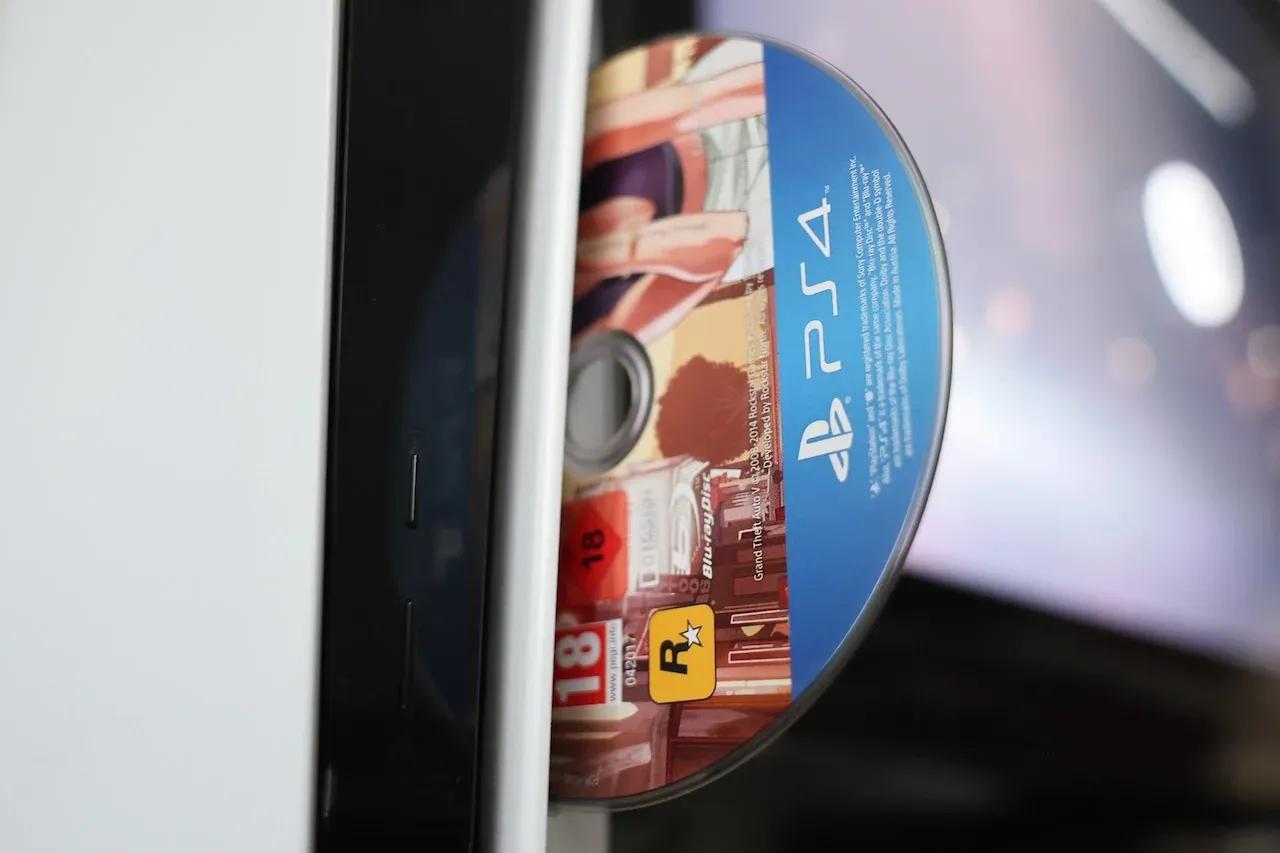
To recap: at the start of July, Sony confirmed that physical disc production for PlayStation games will end at the beginning of 2028. That means no more disc-based PS5 games going forward, and no physical media path for whatever hardware comes next. The used games market, which has let players buy, sell, and trade titles for decades, effectively dies with it.
The reaction was swift and negative. Physical game retailers, preservation advocates, and everyday players pushed back hard. Companies like iam8bit and GameFly publicly expressed disappointment. Industry analysts pointed out the real motivation behind the move: eliminating discs gives Sony total control over pricing and distribution, with its own digital storefront as the only outlet for first-party titles outside of code-in-a-box releases.
There are real concerns about what comes next. Sony has already been experimenting with dynamic pricing, a system that can charge different players different amounts for the same game. Without physical alternatives, there is no competitive pressure to keep digital prices in check. The company also recently announced it will shut down the PlayStation Store on both PS3 and Vita, which is a reminder that digital libraries can disappear when Sony decides they should.
How the fight stick post landed
After staying silent on social media through the fallout, Sony's first public-facing message was essentially: here is a peripheral, please buy it.
The replies did not go well.
Some responses were too profane to repeat. Others were satirical, with players mocking the idea of a "fully digital controller" or posting memes about assembling the community for battle. A number of replies were straightforward expressions of frustration about game ownership. One of the more common sentiments, paraphrased: we want to own our games.
The fight stick itself is probably fine. It is almost certainly not the product team's fault that their announcement landed in the middle of a PR firestorm. But the optics of Sony's first social media post after a week of silence being a hardware promo, rather than any acknowledgment of the disc situation, did not help.
What this signals about Sony's strategy going forward
Here's the thing: Sony is not going to reverse course on this. The financial logic is too compelling. A fully digital storefront means Sony controls pricing, eliminates the used game market as competition, and captures a larger share of every sale. That calculation does not change because fans are angry on social media.
What the fight stick post suggests is that Sony's plan is to keep moving forward without directly addressing the criticism. Whether that approach works depends on how long players stay focused on the issue and whether any meaningful alternatives emerge, like Microsoft leaning harder into physical media or PC storefronts offering better ownership models.
For players who are still on PlayStation and want to make the most of the platform while physical media remains available, there is still time to build out your library. If you're on PS5 right now, games like Saros are still coming with physical editions, and you'll want to check the Saros file size and pre-load date before launch to get your storage sorted. There are also free PSN avatars available for Saros right now, region-specific codes for NA, EU, Asia, Japan, and Korea, though that offer is time-limited.
The broader picture for PlayStation players is worth watching closely over the next 18 months. Sony will need to make more announcements about the 2028 transition, and each one will be a test of whether the community's frustration has cooled or compounded. For more coverage as this story develops, the gaming guides hub will keep you up to date on how platform changes affect the games you're actually playing.