
For 27 years, anyone replaying The Legend of Zelda: Ocarina of Time has had no choice but to hear Navi bark "Hey, listen!" on a loop with zero recourse. Nintendo never patched it, never addressed it, and seemingly never lost sleep over it. A recently released Square Enix action-RPG just did what Nintendo wouldn't.
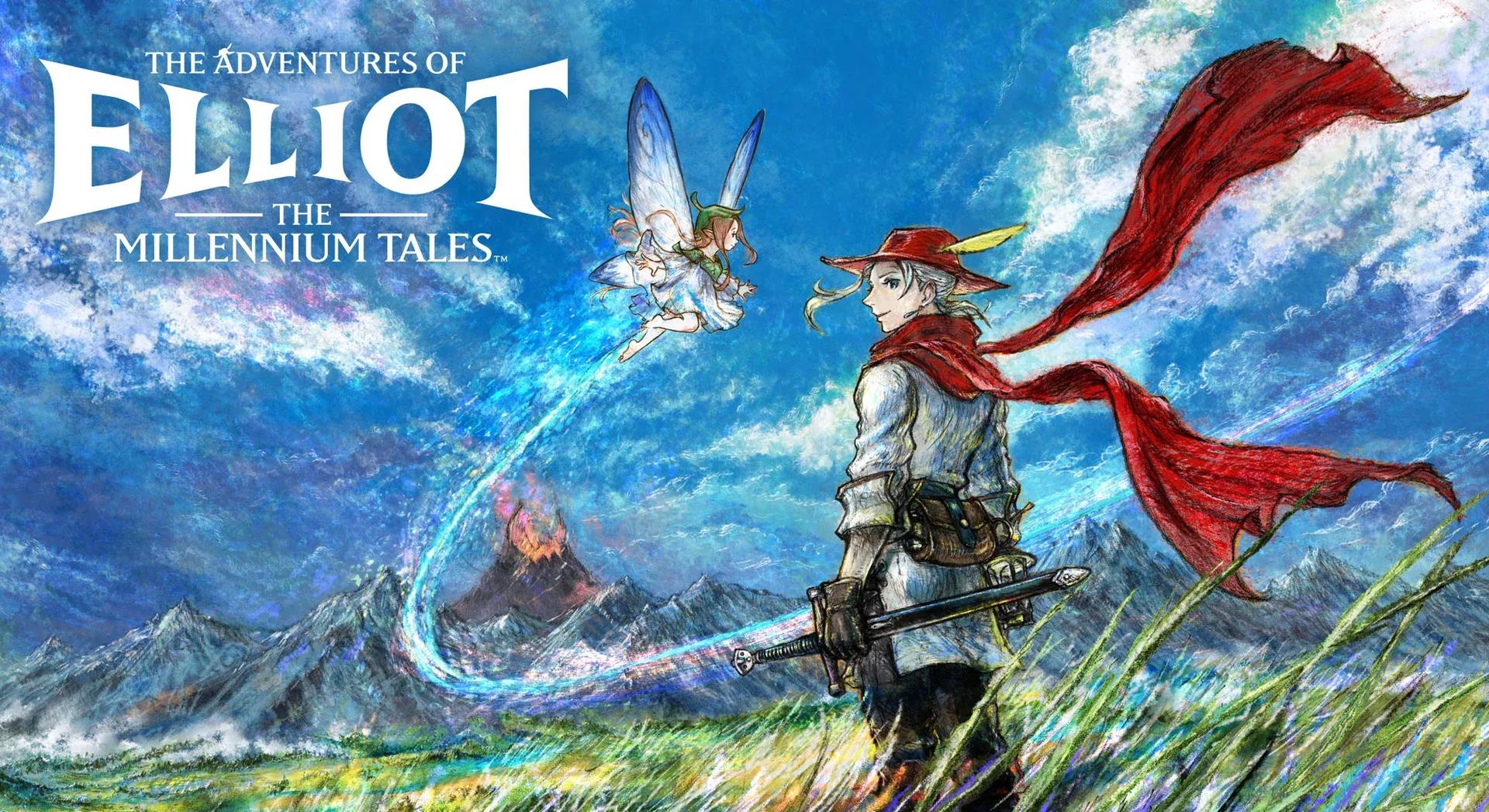
The Adventures of Elliot: The Millennium Tales launched with a glimmering butterfly companion named Faei at its side, a clear nod to the fairy-guide tradition that Ocarina of Time popularized back in 1998. The game wears its Zelda influences openly: sword-wielding protagonist, mythic quest, a world that practically hums with classic action-RPG energy. But Faei turned out to be a little too enthusiastic about helping.
When the helpful companion becomes the loudest problem
Steam reviews flagged the issue quickly after launch. One player described Faei as "think Navi from Ocarina of Time except it's around ten seconds of hammed up anime girl interjections," adding that combined with the protagonist Elliot's limited attack sound variations and jump noises, the audio loop starts feeling like sensory overload. The game did ship with settings to reduce how frequently Faei spoke up, but even the lowest option apparently still triggered voice lines across more actions than players wanted.
Here's the thing: that kind of feedback, where the existing options don't go far enough, is exactly the signal developers need to act on. And act they did.
The patch Nintendo never wrote
The latest update for The Adventures of Elliot: The Millennium Tales adds a full off switch for Faei's voice lines. Not a reduction slider, not a lower frequency option. A complete toggle. Players who found the companion charming can keep her exactly as she was. Everyone else gets silence.
It's a small change in terms of code, but the community response tells you everything. The relief is palpable in player discussions, and the contrast with Nintendo's approach to Ocarina of Time is impossible to ignore. The Switch 2 remake of Ocarina of Time is currently generating buzz, but there's been no indication that Nintendo has reconsidered Navi's vocal habits for that version either.
What this means for players who bounced off early
If you tried the game at launch and Faei's constant interjections pushed you away, the update changes the calculus. The core game is a genuine love letter to classic Zelda design, built by developers who were transparent about the Zelda comparisons even while clarifying that their own 35-year-old series history was the primary inspiration, not Nintendo directly.
The companion toggle is the kind of accessibility-adjacent quality-of-life fix that makes replays and late adopters possible. Some players absolutely enjoy having a voiced companion narrate their adventure. The key here is that now both groups get what they want from the same game.
This is also a broader reminder that smaller studios publishing through major labels like Square Enix can move faster on player feedback than legacy titles ever could. Ocarina of Time is a museum piece at this point, frozen in design decisions made in 1998. The Adventures of Elliot is still actively evolving.
For players looking to fill that classic top-down action-RPG void, the game is worth a second look now that the audio complaints have been addressed. You'll want to check out our gaming guides for more on navigating companion-heavy action-RPGs across the current release slate, and if you're curious about other games dealing with companion character design right now, the Neverness to Everness best Lacrimosa build guide is worth a read given that game's own ongoing companion discourse in its community.
The Adventures of Elliot's developers have set a straightforward precedent here: listen to the feedback, ship the fix. Nintendo has a remake incoming. The comparison is going to follow it everywhere. Check our game reviews for full coverage of both as they develop.