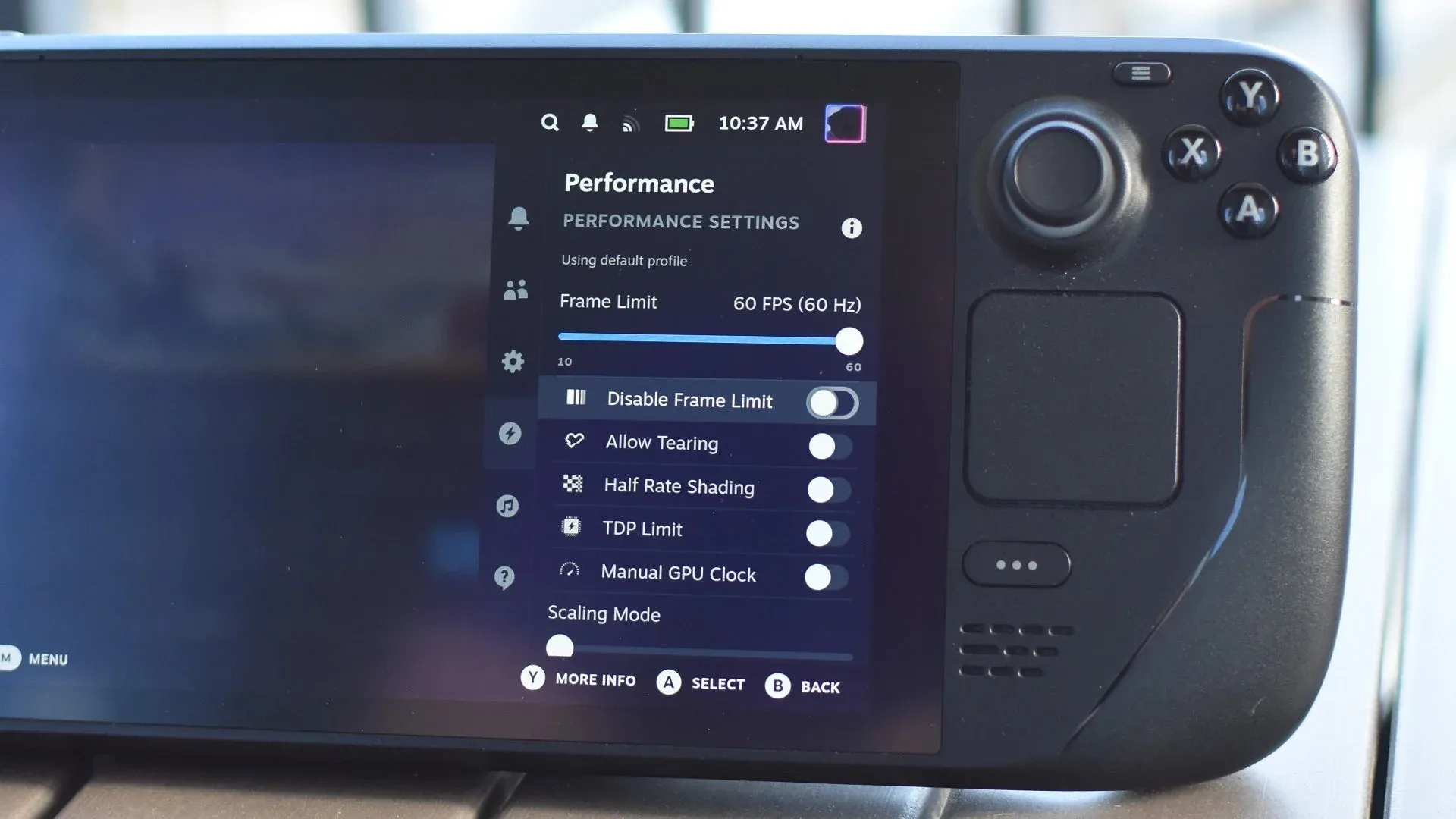


If you've been running games on a device with limited VRAM and watching performance tank in demanding titles, the latest SteamOS beta update has something worth paying attention to.
The update includes what Valve describes as "greatly improved VRAM management, improving performance and stability in cases where VRAM is limited." That's a direct quality-of-life win for players whose hardware sits below the comfortable VRAM thresholds that modern games increasingly demand. Titles that previously stuttered or dropped frames when VRAM headroom ran out should handle those situations more gracefully after applying the beta.

Use code TRYHARD33 at checkout to redeem this offer before code expires again.
Get 33% Off GAMES+ Subscription
What the VRAM fix actually changes
Before this update, SteamOS would handle VRAM pressure in ways that could result in visible performance dips, stuttering, or instability when a game pushed the GPU's memory limits. This was especially noticeable on devices like the original Steam Deck, which ships with 16GB of unified memory shared between the CPU and GPU. When a game aggressively allocated VRAM, the system had limited tools to manage the overflow cleanly.
The new beta changes that equation. The improved management layer gives the OS better control over how VRAM is allocated and reclaimed under pressure, which translates to fewer hard drops and more consistent frametimes in the scenarios that used to cause problems. Think of it as the OS getting smarter about juggling memory before the situation becomes critical.
The iGPU gap that remains
Here's the thing: if your device runs on a pure integrated GPU setup, this update isn't going to move the needle for you. The distinction matters because iGPUs don't have a separate VRAM pool to manage. They draw from the same system RAM as everything else, so the kind of VRAM pressure management this update addresses simply doesn't apply in the same way.
For players on those configurations, the performance ceiling stays where it was. That's not a knock on the update itself, it's just the reality of how different GPU architectures handle memory. The fix is targeted, not universal.
Where this lands in the bigger SteamOS picture
Valve has been steadily refining SteamOS with each beta cycle, and VRAM management has been a persistent friction point for players pushing hardware limits. This update sits alongside a broader pattern of incremental improvements aimed at keeping the platform competitive as PC game requirements creep upward.
For players who want to stay on top of what's changing across their favorite games while running on optimized hardware, checking out our gaming guides is a solid way to keep up with patches, codes, and system-specific tips. Games like Escape from Tarkov, which is notoriously demanding on system resources, also have dedicated resources like the Escape from Tarkov codes guide that pair well with performance-focused updates.
The beta is available now for players who opt into the beta channel on their Steam Deck or compatible SteamOS device. If VRAM-related stuttering has been a recurring issue in your sessions, this is one worth testing. Players running iGPU-based setups will want to keep an eye on future updates, as Valve's optimization work across beta cycles suggests this won't be the last memory-related improvement to land. For more patch notes, updates, and game-specific tips, the full Pokémon Pokopia Mystery Gift codes guide and other resources are live on GAMES.GG as Valve continues rolling out changes through the rest of the year.