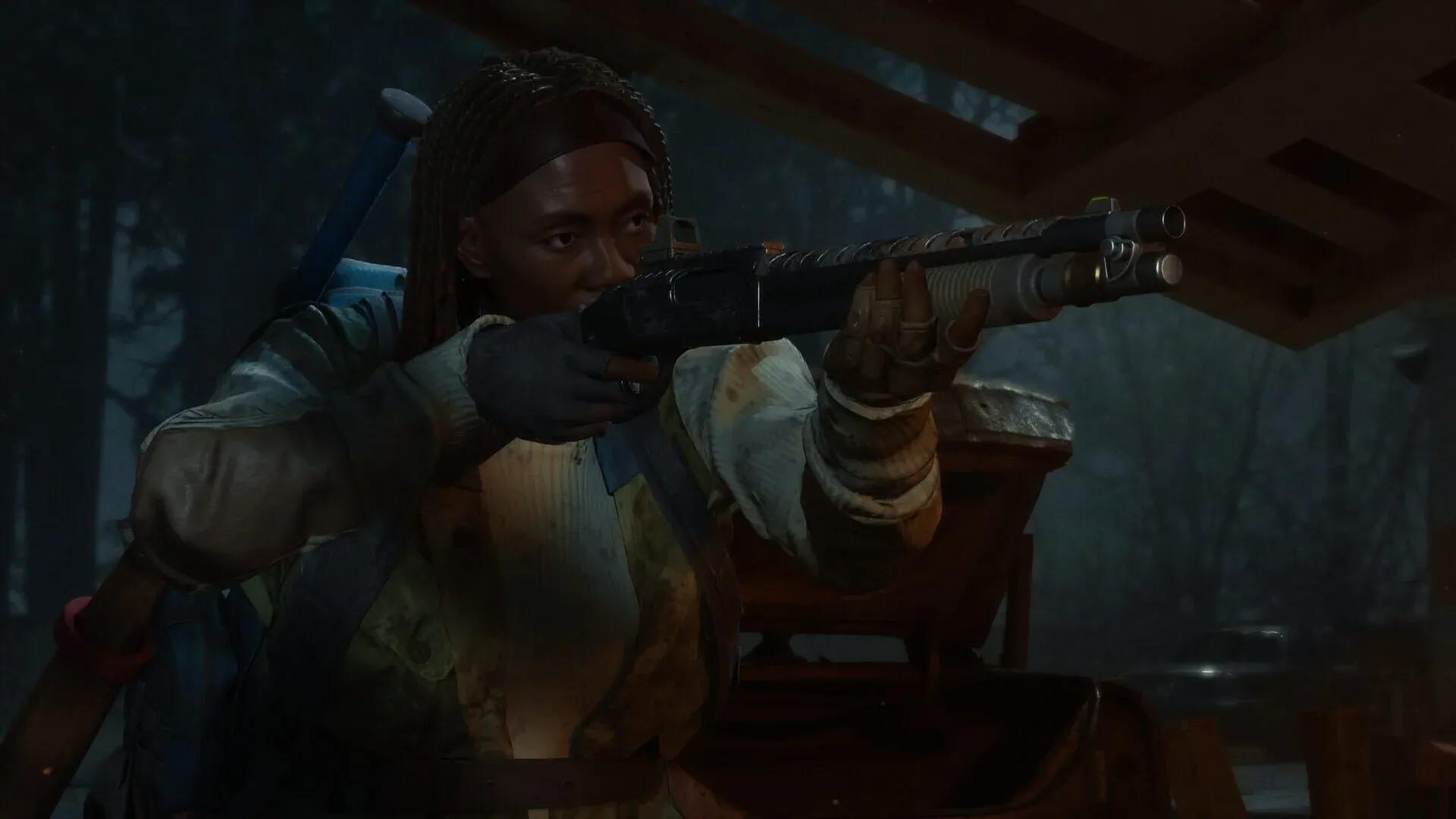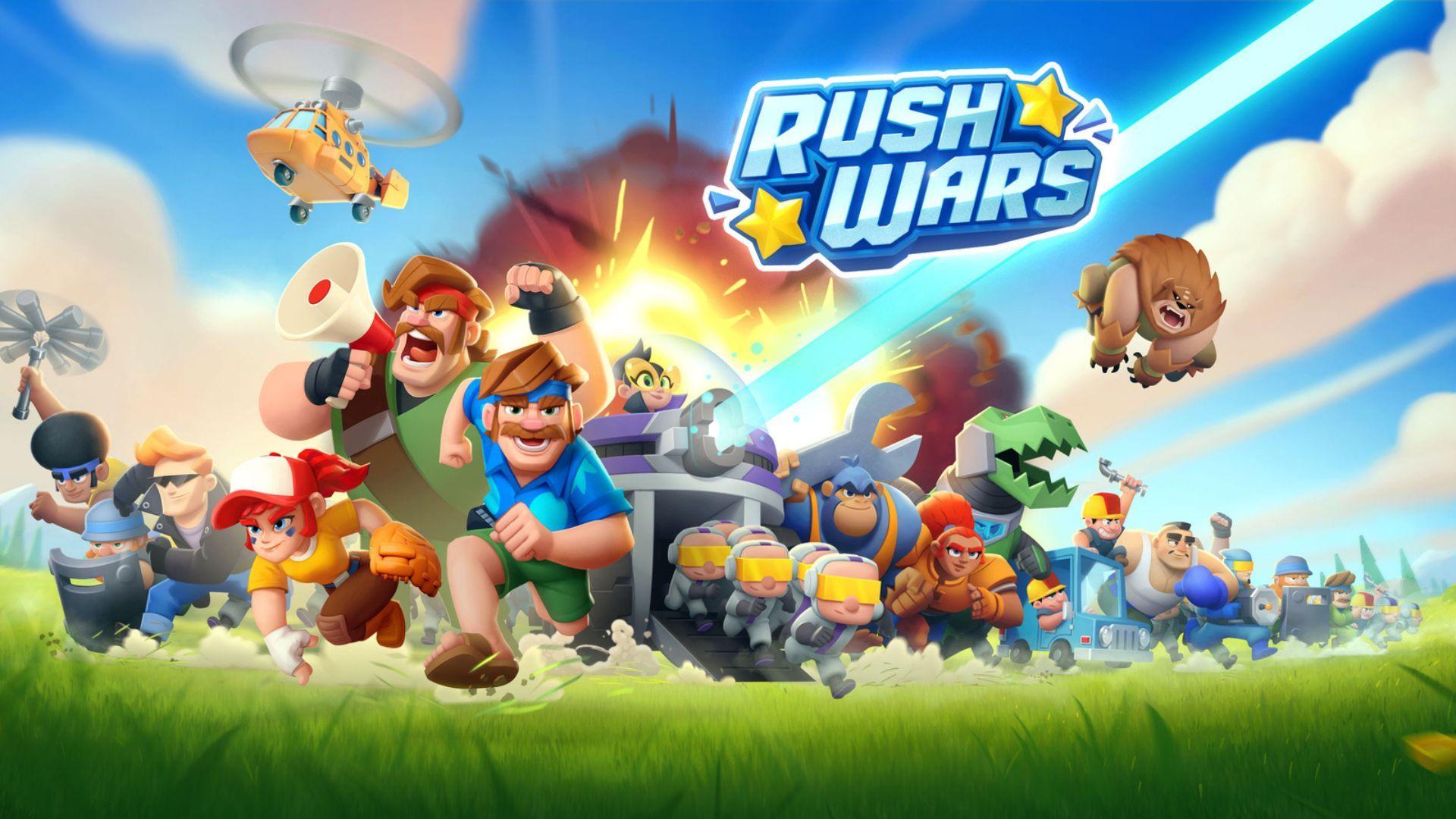

Supercell has opened up about how cancelled projects shape its development philosophy, treating failure as a necessary ingredient for building games that last. In a recently published internal presentation, the Helsinki studio broke down what it learned from shutting down prototypes, pausing experiments, and even pulling major marketing campaigns before launch.
The company behind Clash of Clans, Brawl Stars, and Hay Day hasn't released a new global hit since Brawl Stars launched in 2018. More recently, it shut down Squad Busters, marking the first time the studio closed a live game. Instead of burying these moments, Supercell treats them as structural components of its creative process, pushing teams to dissect what broke and why.
Every cancelled project gets a champagne toast. The ritual isn't about celebrating the loss itself — it's about acknowledging the risk required to chase uncertain ideas and the lessons that come afterward. By making failure survivable within the company culture, Supercell believes developers become more willing to pursue concepts that might not work out.
Use code TRYHARD33 at checkout to redeem this offer before code expires again.
Get 33% Off GAMES+ Subscription
How Constraints Changed Development Decisions
One major takeaway: ambition without guardrails can stall production. Supercell pointed to Clash Mini as a project that spent years in incremental iteration without gaining real momentum. Too much freedom meant teams avoided hard choices, and progress became gradual instead of decisive.
Once the studio imposed strict limits on scope and timeline, development sped up. Those boundaries forced teams to commit to clearer priorities rather than endlessly tweaking features. Supercell's argument is that constraints don't kill creativity — they channel it into something more focused and playable.
This mirrors a broader shift across mobile, live service, and even web3-adjacent development, where unlimited experimentation often stretches production cycles instead of producing finished games.
Why Teams Need to Care About the Genre
Another lesson came from Hay Day Pop, a puzzle game tied to Supercell's farming franchise. The project was cancelled after the team realized it didn't genuinely connect with the genre it was building. Developers found themselves leaning on performance data instead of intuition and player empathy.
Without a natural interest in the type of game being made, decisions become mechanical. Metrics might show what performs well in the short term, but they don't replace understanding why players enjoy a genre. For Supercell, long-term success depends on teams that actually like the games they're designing, not just following trends or dashboards.
That principle applies beyond mobile — it's just as relevant in web3 gaming, where experimentation is frequent but lasting engagement depends on designers understanding the audience they're serving.
Long-term Pride Over Short-term Visibility
Supercell also revisited a marketing decision tied to Clash of Clans. In 2013, the company killed an out-of-home advertising campaign after spending roughly $2 million on it. Leadership ultimately decided the creative direction wasn't something the team would feel proud of years later, even if it could have delivered immediate exposure.
Brand marketing lead Ryan described being frustrated by the call, especially since Supercell promotes independence among its teams. At the time, he felt the cancellation contradicted that culture. Over time, though, Supercell came to see the move as protecting the long-term identity of the brand rather than chasing short-term effectiveness.
The studio's position is that creative work should be judged not only by its immediate performance, but by whether the team would still stand behind it later. That idea extends from marketing into game design itself, where updates and systems are expected to support a game's future, not just its next metric spike.
Creating a Culture Where Failure is Visible
Supercell's broader goal is to strip fear out of experimentation. By talking openly about cancelled projects, the company avoids treating them as silent losses. Instead, shutdowns come with conversations about what worked, what didn't, and what should change next time.
This changes how developers behave day to day. Teams become more willing to test mechanics, challenge assumptions, and explore ideas that might not survive production. In a competitive market filled with live service updates, mobile releases, and emerging web3 concepts, the studio sees this mindset as critical to staying relevant.
Rather than treating failure as the end of development, Supercell frames it as a step inside the process. The studio's take is that companies stagnate not because they take risks, but because they stop taking them.
Make sure to check out our articles about top games to play in 2026:
Best Nintendo Switch Games for 2026
Best First-Person Shooters for 2026
Best PlayStation Indie Games for 2026
Best Multiplayer Games for 2026
Most Anticipated Games of 2026
Top Game Releases for January 2026
Frequently Asked Questions (FAQs)
Why does Supercell cancel so many games?
Supercell cancels projects that don't meet long-term creative or quality goals. The company believes ending weak ideas early allows teams to focus on stronger concepts.
What games has Supercell recently cancelled?
Projects like Clash Mini and Hay Day Pop were shut down after internal review, and Supercell also closed the live game Squad Busters.
Why does Supercell celebrate cancelled projects?
The company uses a champagne toast to recognize the effort and learning behind a cancelled project, not to celebrate failure itself but to remove fear from experimentation.
How does failure help game development?
Supercell believes failure exposes design problems, encourages bolder decisions, and prevents teams from repeating the same mistakes in future games.
Does this approach affect web3 game development too?
Yes. Supercell's philosophy applies broadly, including to web3-adjacent games, where experimentation is common but long-term success depends on focused design and genuine player understanding.
Has Supercell released a new global hit recently?
No. Supercell's last major global launch was Brawl Stars in 2018, and the company continues experimenting internally to find its next long-term success.