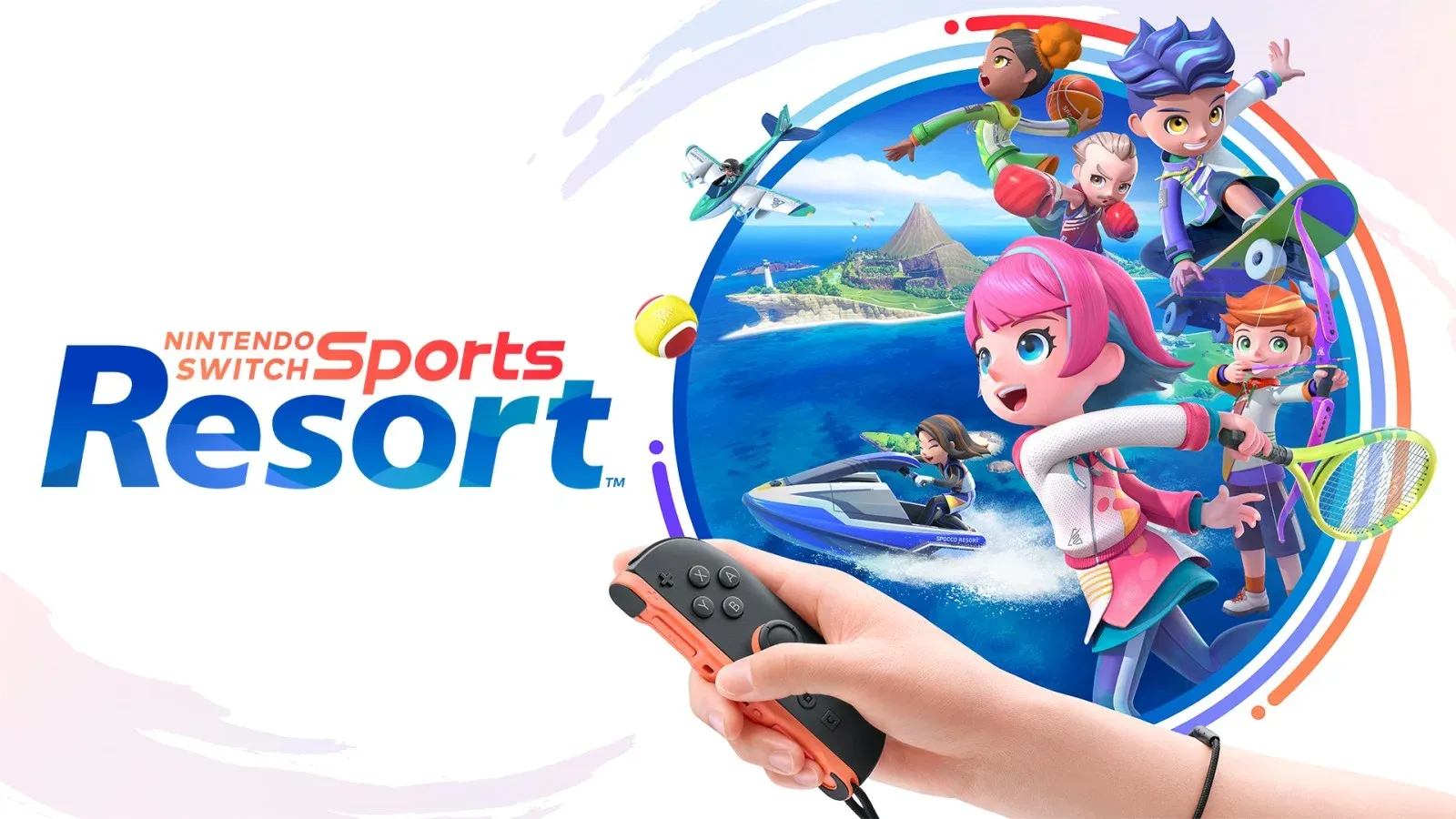


Wuhu Island has always been Mii territory. From Wii Sports Resort to Nintendo Switch Sports, that sun-drenched tropical playground belonged to your goofy little avatar and nobody else. So when Nintendo introduced Sportsmates, a new cast of non-Mii characters for Switch Sports Resort, the fanbase had feelings. Loud ones.
Use code TRYHARD33 at checkout to redeem this offer before code expires again.
Get 33% Off GAMES+ Subscription
The Mii faithful are not having it
The backlash hit fast once footage of the new characters circulated. Fans who grew up customizing their Miis and watching them waddle around Wuhu Island felt the Sportsmates were an unwelcome intrusion into what many are calling "sacred" ground. The phrase "colonizing Wuhu Island" started appearing across social threads and gaming forums, with players framing the new avatars as a corporate overwrite of something genuinely personal.
Here's the thing: the Mii's appeal was never about visual fidelity. It was about ownership. Your Mii was you, or at least a blocky approximation of you, and seeing that little face compete in swordplay or cycling carried a specific kind of charm. Sportsmates, by contrast, are pre-designed characters with no personal connection to the player.
The sentiment runs deep enough that some fans have started calling the original Wii Sports Resort and Nintendo Switch Sports "the real games," positioning Switch Sports Resort as a departure from the series' identity rather than a continuation of it.
What Sportsmates actually are
Nintendo hasn't fully abandoned Miis in Switch Sports Resort, but Sportsmates are positioned as the default cast, the faces plastered on promotional material and front-and-center in menus. They're stylized, expressive, and clearly designed to appeal to a broader audience that might not connect with the Mii aesthetic.
The design logic isn't hard to follow. Miis are a legacy feature tied to hardware generations that most new Switch 2 owners never experienced. Sportsmates are a cleaner visual identity for a new era of the franchise.
But that reasoning lands differently when you're a fan who spent years building out their Mii roster and treating Wuhu Island like a personal vacation home.
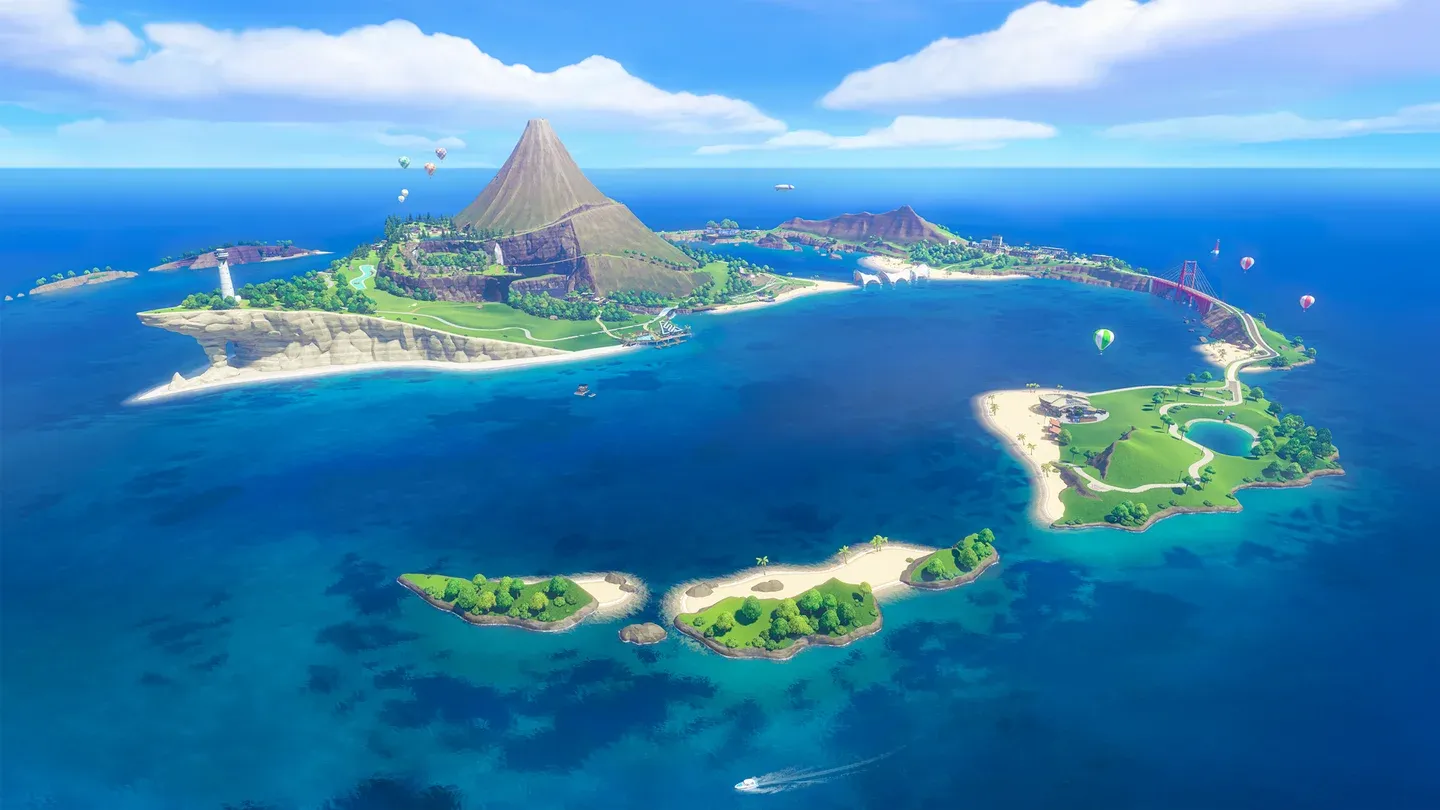
Wuhu Island returns in Sports Resort
The broader sports game identity question
This situation isn't entirely unique to Nintendo. Sports games across the industry regularly wrestle with the tension between modernizing their visual identity and preserving what made longtime fans fall in love with the series in the first place. Changing a mascot or default avatar might seem minor from a design perspective, but to a dedicated community, it can feel like the soul of the game being quietly swapped out.
What most players miss is that avatar systems carry emotional weight far beyond their technical function. The Mii wasn't just a character creation tool. It was the series' handshake with the player, the thing that said "this game is for you, specifically." Sportsmates don't make that same offer.
Whether Nintendo adds deeper Mii support in a future update or leans further into the Sportsmates direction will say a lot about how the company reads this particular community response. For now, the Wuhu Island faithful are making their displeasure known, and Nintendo will need to decide how much that matters to the Switch Sports Resort roadmap.
If you want to see how other sports games are handling player identity and customization right now, EA Sports College Football 26 is one of the more interesting cases, giving players deep roster control and a Road to Glory mode that puts your created athlete at the center of the experience. For anyone curious about building out a player from scratch in that game, the beginner strategies and tips guide is worth a read.