The Korean web3 gaming community, once viewed as a promising growth sector, has experienced a notable decline over the past two years. Despite early enthusiasm and support from both established studios and independent developers, the market has failed to meet expectations. Industry participants and observers point to a combination of user disinterest, market fatigue, and strategic missteps as key reasons for the sector's stagnation.
The Decline of Korea's Web3 Gaming Momentum
The Decline of Korea's Web3 Gaming Momentum
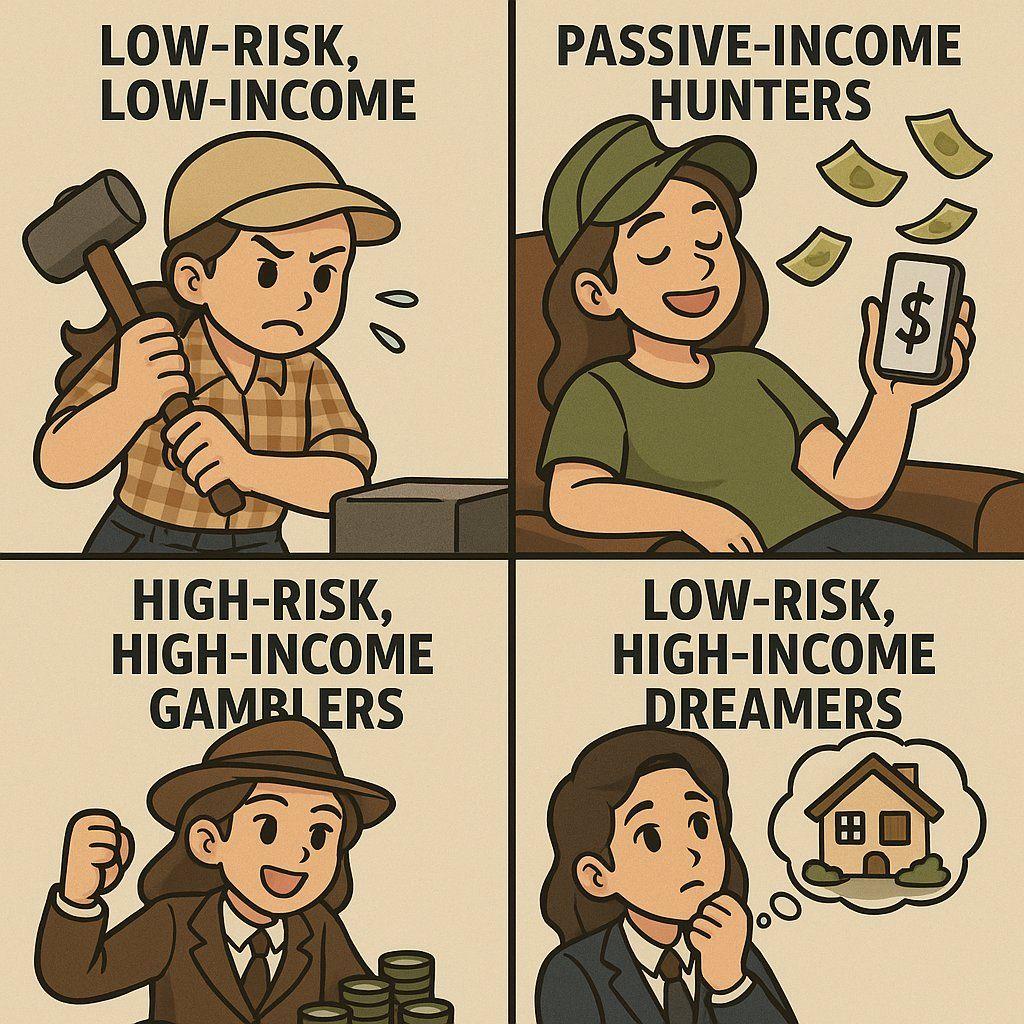
A significant factor behind this downturn is how Korean crypto users approach these platforms. The community splits into four main groups: low-risk grinders chasing small, steady income; passive-income seekers; high-risk traders hunting big returns; and low-risk users aiming for substantial gains without major exposure. Web3 gaming naturally attracts the first two categories—players looking for accessible, low-effort earning opportunities. But as game-based and node-based income strategies started delivering underwhelming results, these users bailed quickly. The threshold for participation stays high, with many expecting returns that match or beat Korea's minimum hourly wage.
This shift shows up clearly across local platforms. Users have migrated toward strategies like Binance Alpha trading, where consistent but small airdrops keep engagement high, and Kaito Yapping, a community-driven activity that blends social interaction with monetary rewards. These newer, gamified-but-not-game platforms have dominated Korean Telegram and Twitter channels, while older web3 gaming communities struggle to hold attention. Metrics like repeat visits, user-generated content, and organic community growth heavily favor platforms that emphasize immediate engagement and minimal effort.
The Decline of Korea's Web3 Gaming Momentum

The Missed Opportunity of Flagship Titles
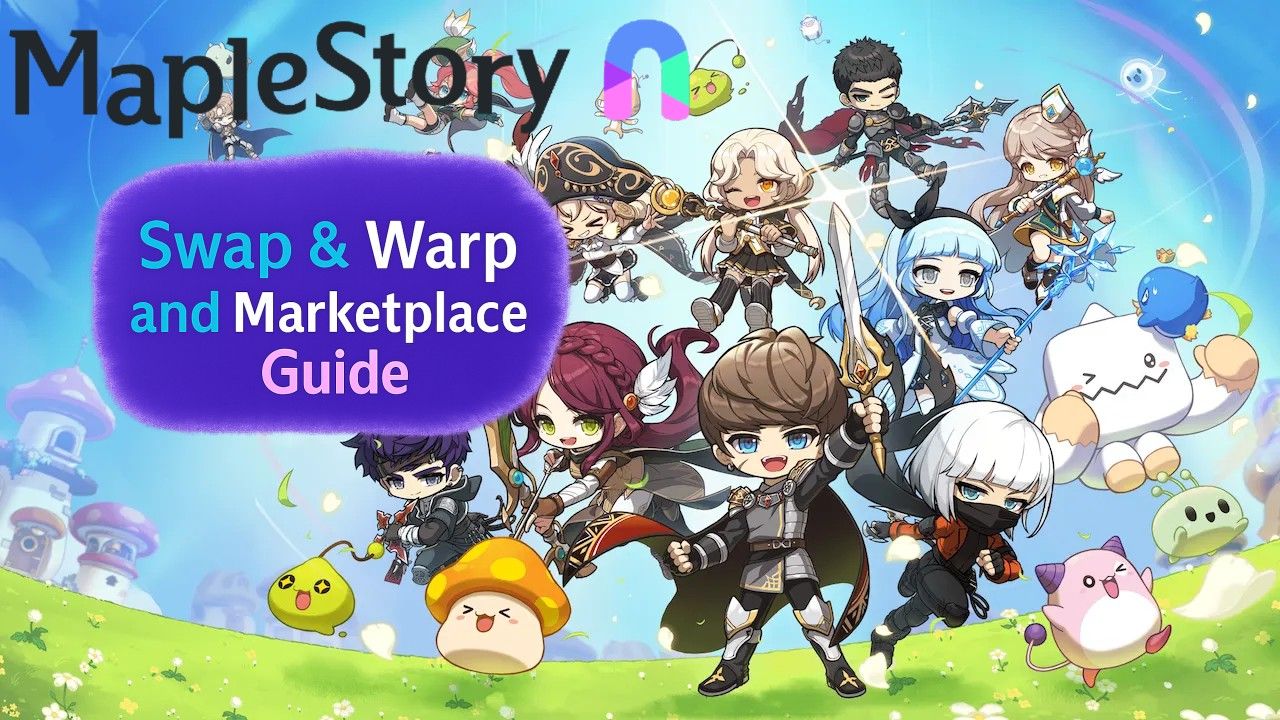
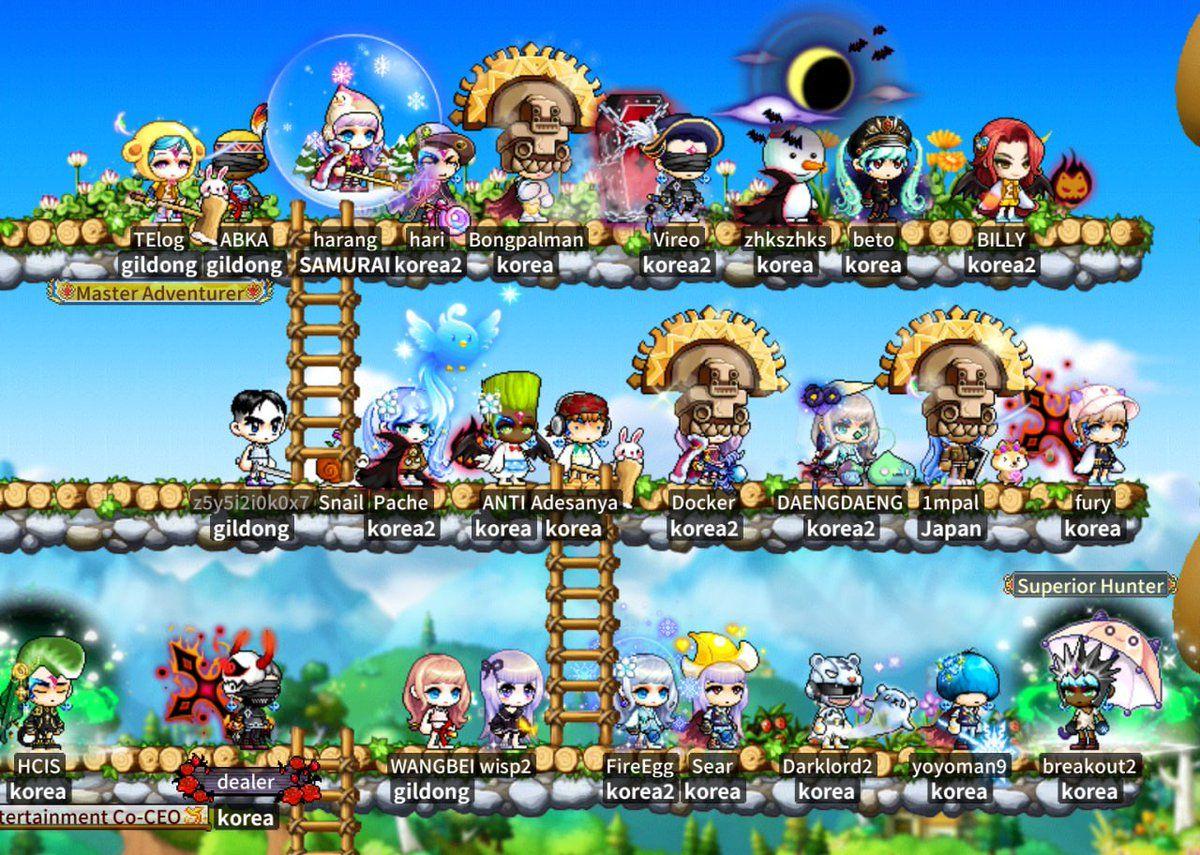
Beyond user behavior, the absence of a genuine breakout hit has stalled the Korean web3 gaming market. Massive anticipation built around MapleStory Universe (MSU), a blockchain extension of one of Korea's most iconic gaming franchises. Despite strong brand recognition and a peak of roughly 40,000 daily users, MSU failed to leave a lasting mark on the broader play-to-earn ecosystem. Players quickly labeled it another pay-to-play model instead of the transformative product it was supposed to be.
The trading token tied to MSU, $NXPC, has performed well on the market, frequently outpacing competitors like $RON in volume. But this financial success hasn't translated into sustained player engagement or user growth. Many domestic projects face similar problems—token values dropping, limited support from Korean influencers, and a surprising preference among local users for foreign web3 titles, which they often view as more trustworthy or better executed.
Regulation gets blamed constantly, but industry insiders argue that internal failures played a bigger role. Poor coordination between business teams, venture capital stakeholders, and development groups led to missed market windows and flawed product strategies. One studio abruptly pivoted from game development to launching an AI-based token platform, a move that went nowhere. These cases highlight a pattern of reactive decision-making and weak long-term planning that has eroded user confidence.
The Decline of Korea's Web3 Gaming Momentum
Community Dynamics and Shifting Incentives
Pure gameplay still appeals to a niche segment of dedicated users, but broader engagement has shifted toward experiences that incorporate gamification rather than traditional gaming. Platforms like irys have gained traction by offering competitive, leaderboard-driven activities directly on social media platforms like Twitter. These models let users earn rewards with minimal technical involvement and have outperformed more complex game ecosystems in both user engagement and visibility.
The current environment reflects a fundamental shift in how digital entertainment gets consumed. As users allocate limited time to online platforms, web3 games increasingly compete with short-form video content and passive yield opportunities. The attention economy doesn't favor products that demand significant time investment for uncertain returns. Korean gamers now expect efficiency and clarity in their engagement, and web3 titles that can't deliver this value proposition struggle to gain momentum.
Some independent guilds and communities, like LimeLight, continue to support the space with dedicated efforts, but their impact stays confined to niche circles. While titles like Kamigotchi and Cambria have managed to retain loyal user bases, these examples remain exceptions. They attract users from the fourth behavioral category—players who actively hunt for lesser-known games with potential for meaningful returns—but this group is relatively small and difficult to scale.

The Decline of Korea's Web3 Gaming Momentum
Conclusion: An Uncertain Road Ahead
The Korean web3 gaming community faces significant structural and strategic challenges that have stalled its growth. Early optimism was driven by a strong gaming culture and technical innovation, but the reality fell short. The inability to retain core user segments, the failure to produce transformative titles, and competition from alternative gamified experiences have all contributed to the current stagnation.
Whether a resurgence happens in late 2025 remains uncertain. Any future growth will likely depend on the development of web3 games that offer clear value, efficient rewards, and strong community backing. Without addressing these core issues, the sector may continue to fall behind other areas of the digital economy in both relevance and user engagement.