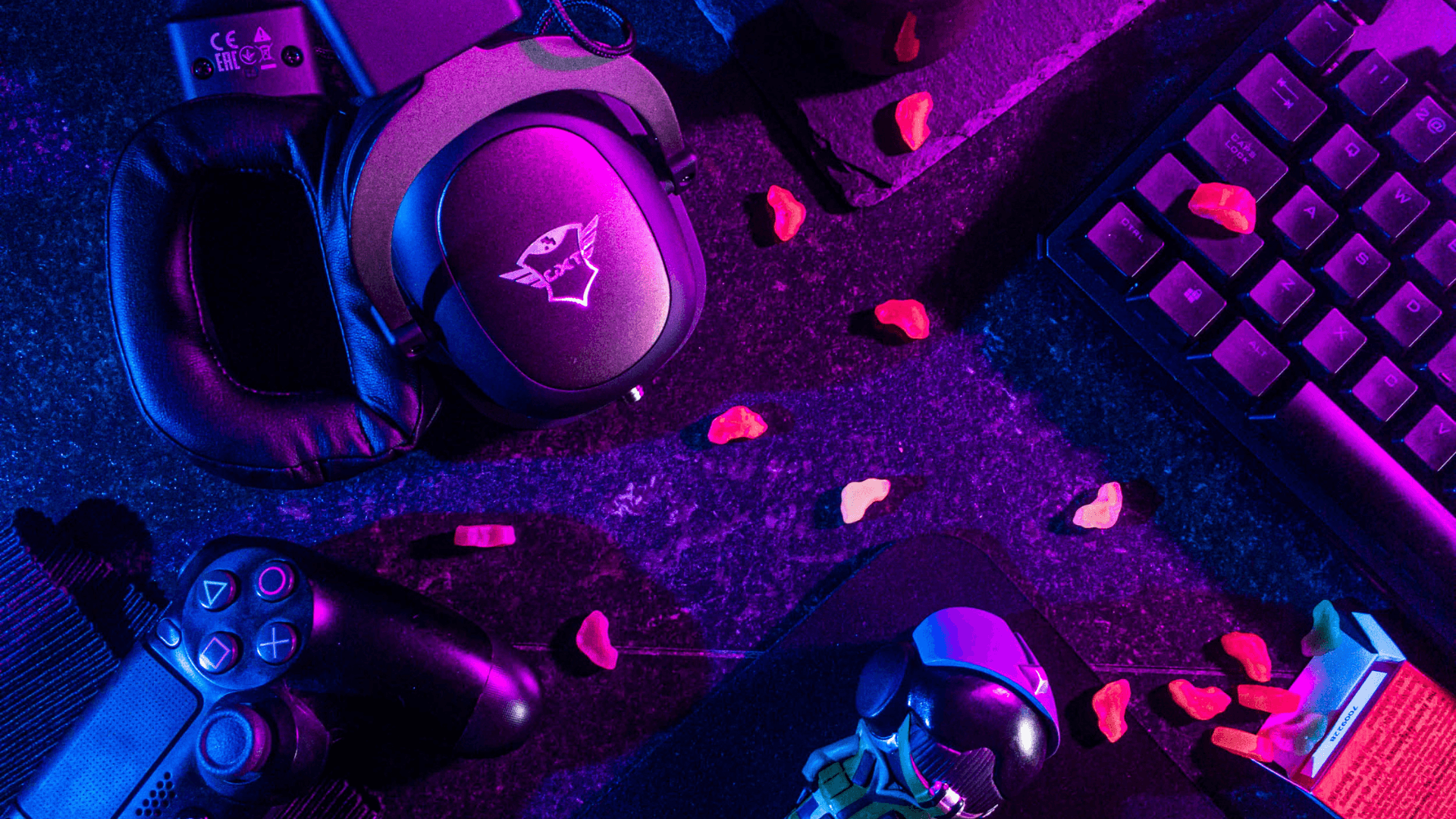

The idea of the "console war" continues to lose relevance as cross-platform gaming becomes the industry standard. In 2026, the conversation is no longer centered on whether players own a PlayStation 5, Xbox Series X, gaming PC, or Nintendo Switch 2. Instead, it is about how seamlessly they can continue their progress across multiple devices.
Whether picking up a saved game on a mobile device during a commute or continuing a session from a handheld while relaxing in a café, today's gaming ecosystem is built around a "play anywhere" philosophy. Gaming profiles have evolved into persistent digital identities that travel with players, making hardware less important than ever before.
Breaking the Hardware Chains
According to the Global Gaming Market Report 2026, the gaming industry is projected to generate approximately $386 billion this year, with much of that growth driven by the widespread adoption of cross-platform ecosystems. More than 75% of players now expect their achievements, progression, and inventories to carry across at least two different devices.
This shift represents more than a quality-of-life improvement. It reflects a broader move toward making premium gaming experiences accessible regardless of hardware.
Players can enjoy Forza Horizon 6on a high-end gaming PC before seamlessly continuing their adventure through Xbox Cloud Gaming on a handheld device. Rather than being tied to a single console, modern games increasingly allow players to choose the platform that best fits their situation.
The Shift Toward Platform-Agnostic Gaming
Cross-platform support and cloud gaming continue to reshape how games are developed and distributed. Hardware exclusivity is gradually giving way to service-driven ecosystems, with publishers placing greater emphasis on keeping players engaged regardless of where they choose to play.
For many players, the hardware sitting beneath the television is no longer the deciding factor. Access to an entire library across multiple screens has become a far greater priority than platform loyalty.
This platform-agnostic approach is helping define gaming in 2026, with cross-progression, cloud saves, and synchronized accounts becoming expected features rather than premium additions.
The Power of the Unified Gaming Profile
At the centre of this evolution is the unified gaming profile.
Platforms such as ours (GAMES.GG) is helping push this concept forward through systems that consolidate player history across multiple gaming ecosystems. Rather than simply recommending new titles, these profiles build a broader understanding of player preferences, skill levels, and multiplayer habits.
Whether someone spends most of their time in Call of Duty: Black Ops, Genshin Impact, or another multiplayer title, unified profiles can improve matchmaking by pairing players with compatible teammates across platforms. It no longer matters whether friends are playing on a Nintendo Switch 2, Steam Deck, PC, or console - the profile becomes the common link between every device.
Beyond Gaming: Connected Digital Experiences
The concept of a unified profile is no longer exclusive to gaming.
Streaming platforms, loyalty programs, and entertainment services have all embraced synchronized user experiences across multiple devices, particularly in digitally connected markets such as New Zealand, where multi-device usage continues to increase.
Services including Spotify and Netflix already allow users to move effortlessly between devices while maintaining personalized recommendations and viewing progress. Similarly, entertainment platforms such as Jackpot City have expanded beyond simple account access by introducing mobile compatibility, customizable dashboards, and cross-device continuity.
The expectation has shifted from simply being able to log in to enjoying a fully synchronized experience wherever users access their accounts.
Real-Time Technology and Global Accessibility
Supporting this transition is increasingly sophisticated infrastructure.
In markets such as New Zealand, expanding ultra-low-latency fibre networks and the adoption of Sovereign Cloud technology - supported by the country's 2026 Cyber Security Regime for critical infrastructure - are helping deliver secure, responsive online experiences.
Lower latency, stronger security, and improved cloud infrastructure allow players to access identical server-side AI, synchronized world states, and competitive multiplayer environments regardless of the hardware they use.
As cloud technologies continue to mature, player skill and strategy are becoming more important than the specifications of the device in hand.
What's Next for Cross-Platform Gaming?
Industry trends suggest that cross-progression is becoming one of the most valuable features developers can offer. Games that allow players to carry their progress between devices consistently see stronger player retention and longer engagement.
The direction of travel is becoming increasingly clear. Rather than focusing on platform exclusivity, publishers are investing in accessibility, flexibility, and connected ecosystems that allow players to remain engaged wherever they choose to play.
In 2026, a gaming profile has become more than an account - it is a passport that unlocks every virtual world across every screen. As unified profiles, cloud gaming, and cross-platform support continue to evolve, the future of gaming looks less defined by hardware and more by the experiences players can take with them.