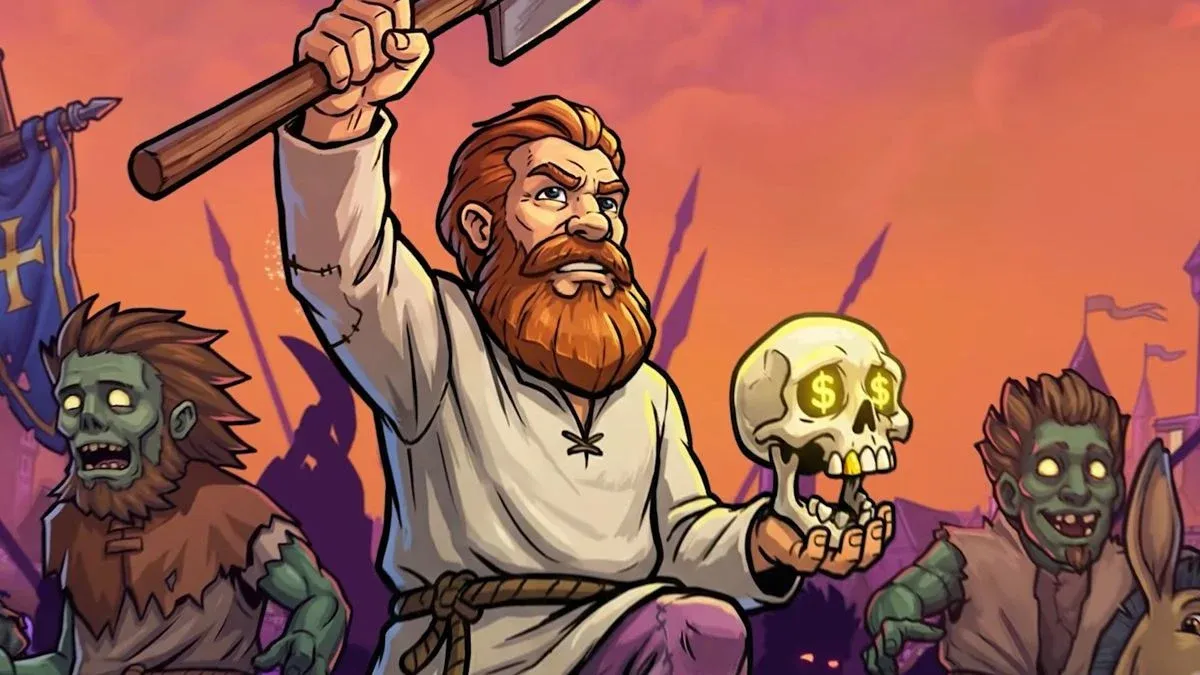


Graveyard Keeper 2 landed in Steam's top 100 most-wishlisted games almost immediately after its announcement. That kind of traction doesn't happen by accident.
The strategy behind it is worth paying attention to, because tinyBuild CEO Alex Nichiporchik just spelled out exactly why a 100% Steam discount is a fundamentally different beast from a free weekend or a platform giveaway, and the numbers back him up.
The difference between free and 100% off
Here's the thing most players miss: when a game goes on sale at 100% off through Steam's discount system, it fires a notification to every single person who has that game wishlisted. A "free to try" weekend, or handing keys out through a third-party giveaway site, does neither of those things.
Nichiporchik confirmed this directly in a post on X, explaining that the discount on the original Graveyard Keeper, the cemetery management sim from developer Lazy Bear Games, is "why the original game spiked so fast and so hard." The wishlist notification alone puts the game in front of an audience that has already expressed interest, which is a much warmer crowd than random passersby on a giveaway page.
The result? Over $250,000 in DLC sales in just a few days, driven by a flood of new players who claimed the base game for free and then decided they wanted more of it. The game remained at 80% off after the free period ended to keep momentum going.
Getting new players to wishlist the sequel
The second half of this plan was converting all those new Graveyard Keeper players into Graveyard Keeper 2 wishlisters. The key here is how tinyBuild handled the in-game prompt.
Rather than linking out to a browser page (which requires players to log in again, navigate Steam's web interface, and remember what they were doing), the wishlist banner inside Graveyard Keeper triggers the Steam Overlay directly. One click. Already logged in. No friction. Nichiporchik specifically called this out as intentional design, not an afterthought.
Wishlists matter for reasons beyond the obvious. They feed into Steam's algorithmic recommendations, help developers estimate launch-day demand, and give publishers a pool of players to target with future discounts or launch announcements. Getting Graveyard Keeper 2 into the top 100 most-wishlisted games on the platform before it even has a release date is a meaningful head start.
What this means for indie publishing on Steam
Nichiporchik described the approach as "unorthodox," and credited Lazy Bear Games for trusting the plan. But the broader picture here is that indie publishers are getting sharper about how Steam's own systems can do marketing work for them, without spending on ads or relying on press coverage to move the needle.
The 100% discount trick isn't new, but the deliberate pairing of it with a sequel announcement and a frictionless wishlist funnel shows a more calculated version of the strategy. Giving the original game away for free generates goodwill, surfaces the franchise to new audiences, and creates a direct pipeline to the next product. For a game with a solid DLC catalog like Graveyard Keeper, even a small percentage of new players converting to paid content adds up fast.
For anyone following indie publishing trends, this is a clean case study in using Steam's native tools rather than working around them. You can find more analysis like this in our gaming news. Graveyard Keeper 2 is currently in development. Given the wishlist momentum already building, the sequel's launch window will be one to watch closely for latest reviews and coverage.