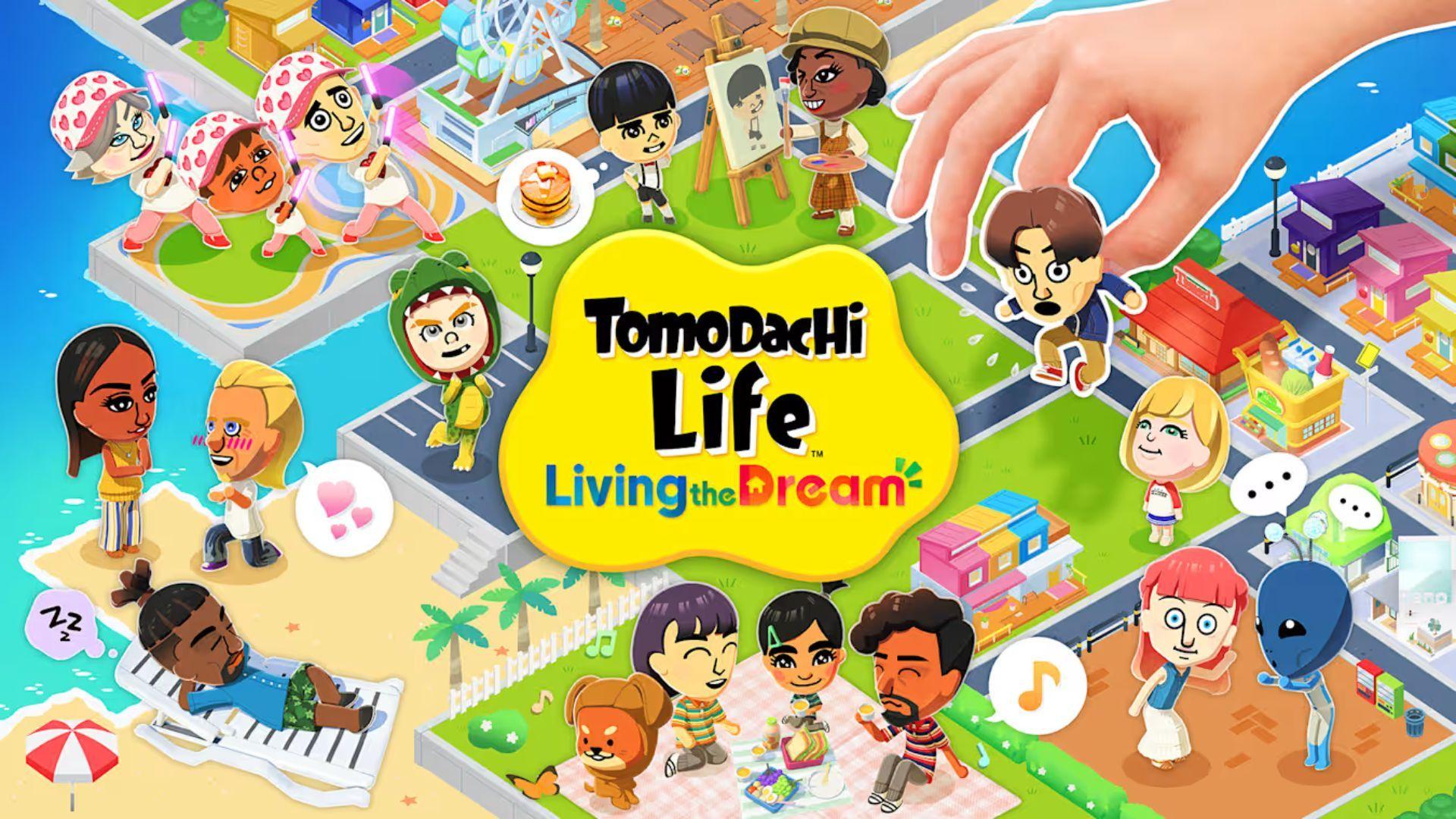


Nintendo has shown off Tomodachi Life: Living the Dream in a full Direct presentation, revealing the first new entry in the series in over a decade. The game arrives April 16 on Nintendo Switch with full compatibility for Nintendo Switch 2. The presentation walked through Mii creation, island building, and the systems that drive how player-made residents live and interact.
The game sticks to the series' formula: make Miis based on real people or invented characters, drop them on an island, and watch their routines play out in real time. Relationships form, personalities clash, and weird things happen. The loop rewards checking in regularly to see what your residents are up to.

Use code TRYHARD33 at checkout to redeem this offer before code expires again.
Get 33% Off GAMES+ Subscription
Expanded Mii creation options
Mii creation is either guided (answer questions and the game builds a face for you) or fully manual. You can tweak face shapes, hairstyles, eyes, and new parts like face paint for stranger designs. Beyond looks, you set names, heights, body types, voices, and personality traits that dictate energy and quirkiness levels. These traits shape how Miis behave and interact, so two islands with the same characters can play out differently depending on how you configure them.
The depth here matters because personality settings ripple through every interaction. A high-energy Mii acts differently than a low-energy one, and quirk levels determine how unpredictable they are. It's less about making a character look right and more about tuning how they'll behave once you let them loose.
Social interactions and housing dynamics
Miis don't just stand around. You can nudge them toward each other to start conversations, bond over shared interests, or see how group dynamics shake out. Once they know each other, they keep interacting on their own, building friendships or rivalries without your input.
Housing adds another layer. Up to eight Miis can share a space as roommates, which leads to conflicts, jokes, or unexpected pairings. The social system leans into emergent storytelling — throw the wrong (or right) combination of residents together and things get interesting fast.
Shops, facilities, and island life
The island includes spots like Fresh Kingdom for food, Where & Wear for clothes, and T&C Reno for home upgrades. Rooms and apartments can be themed as normal living spaces or turned into libraries, supermarkets, or whatever else fits your vision.
The Marketplace rotates stock based on time of day, and Quik Build lets you drop decorations around the island. You can also mess with MNN, a fake news station, and stage photo shoots through Foto-Tomo. These systems keep the island feeling active and give you reasons to revisit different areas.
Creating custom content
The Palette House Workshop is where you design custom items. You can make pets, drinks, clothing, buildings, and even tweak terrain and tile designs. It's open-ended enough to let you inject your own style into the simulation without being locked into preset options.
Island layout is also flexible. You can place trees, playgrounds, benches, and shops, adjust land size, and move buildings around. Residents will suggest changes, but you're not required to follow them. The island can stay as structured or chaotic as you want.
Personality quirks and daily life
Miis can be assigned quirks that affect small behaviors like eating, sleeping, or posing. You can also give them favorite phrases that show up in dialogue. These details make each resident feel more distinct and reinforce the simulation's focus on individuality.
Launch details
Tomodachi Life: Living the Dream launches April 16 for Nintendo Switch at $59.99 and works on Nintendo Switch 2. Pre-orders are live on Nintendo eShop and the My Nintendo Store. Parental controls are supported on both consoles for managing content access.
The game doesn't use web3 or blockchain. It's a traditional life sim with no crypto elements.
Make sure to check out our articles about top games to play in 2026:
Best Nintendo Switch Games for 2026
Best First-Person Shooters for 2026
Best PlayStation Indie Games for 2026
Best Multiplayer Games for 2026
Most Anticipated Games of 2026
Top Game Releases for January 2026
Frequently Asked Questions (FAQs)
When does Tomodachi Life: Living the Dream release?
April 16 on Nintendo Switch, playable on Nintendo Switch 2.
What platforms is the game available on?
Nintendo Switch and Nintendo Switch 2.
Can you customize Mii characters?
Yes. You can adjust appearances, voices, personalities, quirks, and create custom items for them.
How many Miis can live together?
Up to eight Miis can share a residence, which affects how they interact.
Does the game feature parental controls?
Yes. Both Nintendo Switch and Switch 2 support parental controls for managing content.
Is web3 or blockchain used in the game?
No. The game has no web3 or blockchain features.
Where can I pre-order the game?
Nintendo eShop and the My Nintendo Store.
What can players do on the island?
Manage social interactions, shop for items, customize living spaces, design content in the Palette House Workshop, and modify the island's layout and decorations.