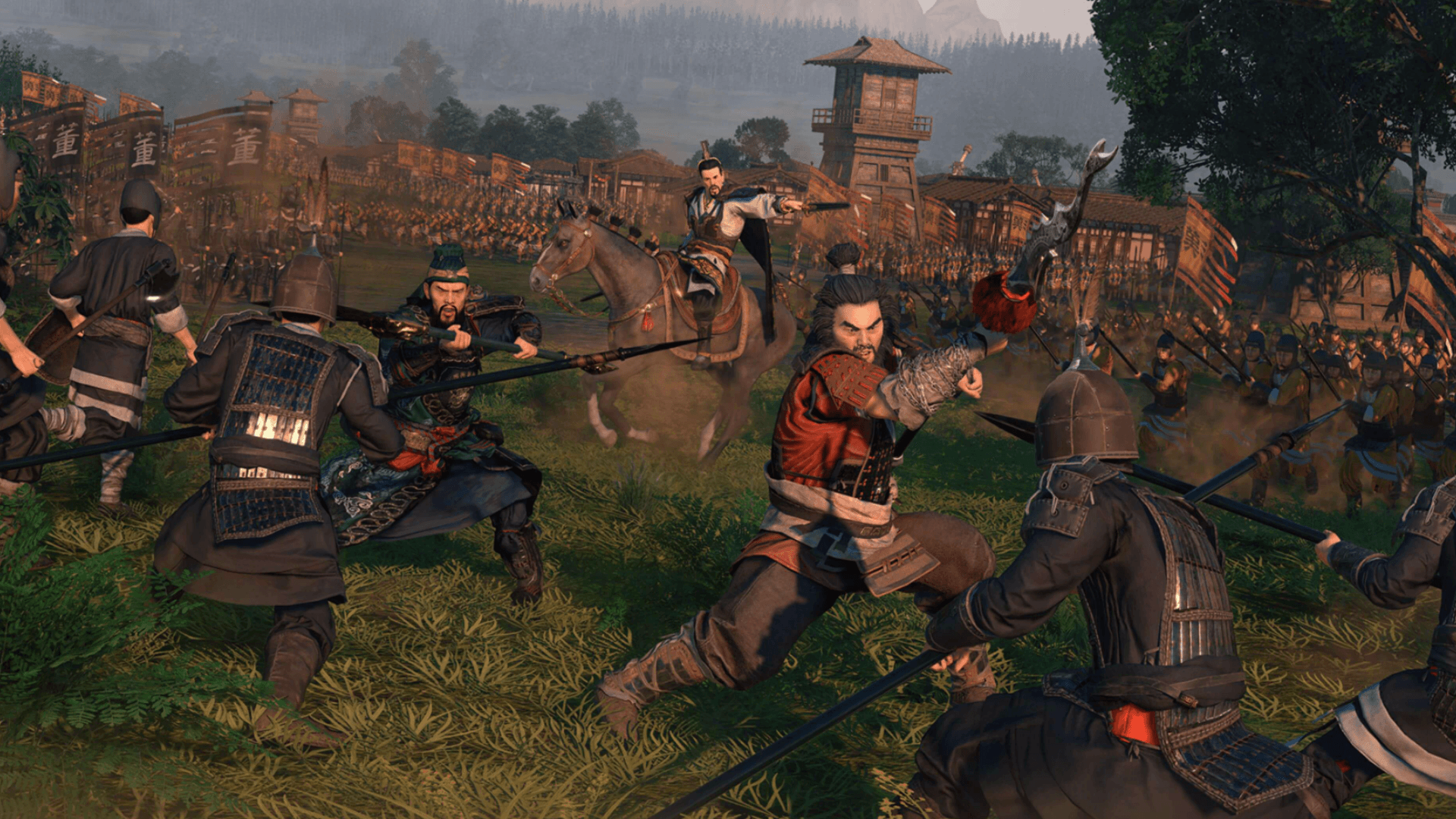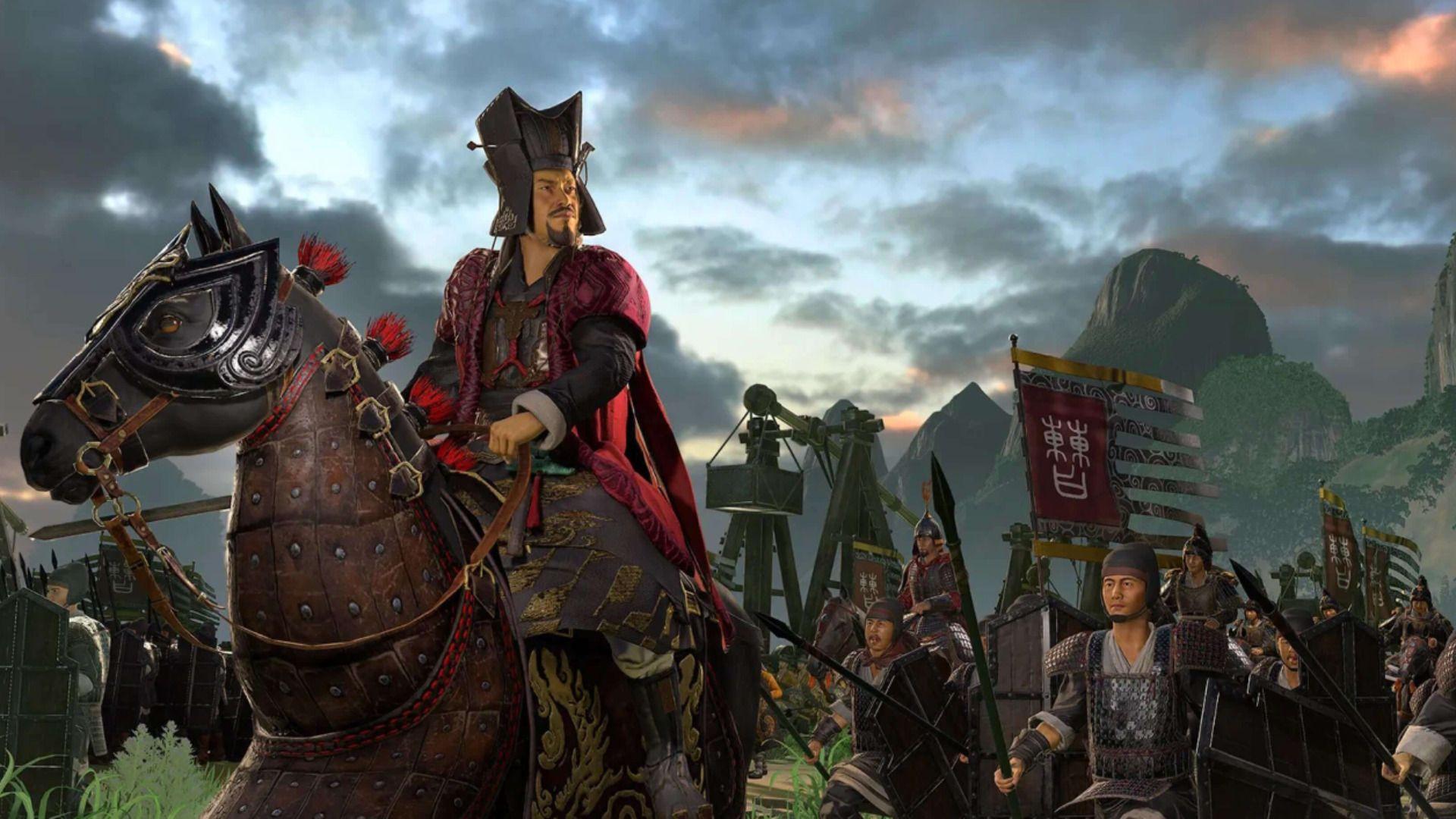

As the Han Dynasty fractures, Total War: Three Kingdoms places players in control of ambitious warlords competing for land, legitimacy, and survival. Each campaign start date reshapes China’s political map, introducing new mechanics, rivalries, and leadership challenges. Choosing the right faction can influence everything from early-game stability to late-game dominance.
This guide examines the strongest leaders across every major campaign and DLC in Total War: Three Kingdoms. Instead of focusing purely on power, it looks at starting position, faction mechanics, and long-term flexibility to determine which commanders provide the most reliable paths to success.

Use code TRYHARD33 at checkout to redeem this offer before code expires again.
Get 33% Off GAMES+ Subscription
Getting Started With the Main Campaign Landscape
The standard campaign, set in 190 CE and known internally as Rise of the Warlords, represents the collapse of Han authority after Dong Zhuo seizes control of the emperor. Nearly every major historical figure is present, and the early turns often decide whether a faction snowballs or stalls.
Sun Jian stands out as one of the safest introductions to the game. His position in Jing Province keeps him removed from the crowded northern territories, giving him space to expand south and east without immediate pressure. His officer roster develops naturally over time, especially as his children become capable generals, which helps maintain stability without constant reshuffling.
Cao Cao plays very differently. Instead of relying purely on territory, his Credibility mechanic encourages manipulation. He can weaken neighbors by sabotaging supplies, lowering public order, and encouraging proxy wars. This allows Cao Cao to control the pace of the campaign even when his borders are contested, making him one of the most versatile choices in Total War: Three Kingdoms.
Dong Zhuo, once unlocked, offers a survival-focused campaign. Surrounded by enemies, his faction relies on intimidation and powerful characters like Lü Bu and Zhang Liao to hold ground. His Intimidation resource enables forced diplomacy, allowing him to extract concessions even when outnumbered. Playing Dong Zhuo often becomes a test of managing pressure rather than expanding freely.
Exploring the Early Rebellion Era
The Mandate of Heaven DLC moves the timeline back to 182 CE during the Yellow Turban Rebellion. Instead of a fractured empire, the map shows a struggling Han government facing mass uprising. This shift emphasizes momentum, replenishment, and early army preservation.
Zhang Jue, leader of the rebellion, benefits heavily from Zeal-based bonuses. His faction can sustain long campaigns thanks to strong replenishment and access to healing skills from supporting characters. This keeps armies active and reduces the need for frequent retreats, which is critical in a scenario where multiple fronts open quickly.
Liu Chong offers a more controlled alternative. His mechanics emphasize morale, experience, and equipment through the Fortitude and Trophy Cabinet systems. His faction’s improvements to crossbow units encourage ranged-focused warfare, allowing him to thin enemy ranks before melee even begins. In a rebellion-heavy environment, that reliability gives him long-term consistency.
Managing Power Shifts After Dong Zhuo’s Fall
The A World Betrayed campaign shifts to 194 CE, shortly after Lü Bu assassinates Dong Zhuo. Power is no longer centralized, and new factions rise rapidly. Expansion becomes more aggressive, and leadership mechanics matter more than raw economy.
Lü Bu defines this era. His Momentum system rewards character kills by boosting morale, movement range, replenishment, and officer satisfaction. Maintaining Momentum turns each victory into an opportunity to chain further conquests. His Greatest Warriors system also tracks legendary enemies he defeats, granting permanent bonuses that strengthen his faction over time. Lü Bu’s campaign rewards direct engagement rather than cautious diplomacy.
Building a Kingdom in the Late Han Conflict
Fates Divided jumps forward to 200 CE, where Cao Cao and Yuan Shao prepare to clash over the Central Plains. Other factions must survive between growing empires while searching for narrative-driven opportunities.
Liu Bei shines in this environment. His campaign includes historical event chains that mirror the novel and real-world records. Through missions such as Solace in Jing, he recruits legendary strategists including Zhuge Liang and Pang Tong. These events provide both military depth and strategic direction, eventually leading Liu Bei toward the Riverlands and the foundation of Shu-Han. His campaign focuses on leadership development rather than immediate conquest.
Expanding Into the Southern Territories
The Furious Wild DLC adds the Nanman tribes in the southwest, expanding the campaign map and introducing animal units like elephants and tigers. The Nanman play differently from Han factions, emphasizing Fealty and tribal dominance.
Meng Huo stands out among them. His faction progression is tied to defeating rival tribal leaders, earning Fealty and stacking temporary bonuses that improve his overall strength. In later start dates, he also begins alongside Lady Zhurong, forming a strong leadership pairing early in the campaign. Meng Huo’s structure encourages continuous engagement while still offering controlled growth.
Surviving the Jin Dynasty Civil Wars
Eight Princes moves beyond the Three Kingdoms era into 291 CE, when the Jin Dynasty fractures under internal conflict. Instead of founding empires, players navigate political instability among the Sima family.
Sima Yong benefits from increased faction-wide movement range, allowing armies to respond faster across the map. His garrisons reduce construction costs and boost reserves, tying military presence directly into economic stability. This makes territorial control more efficient without overstretching resources.
Sima Ai offers a slower, more deliberate approach. His starting position provides breathing room, while the Reformation mechanic rewards thoughtful building development. Instead of rapid conquest, his campaign encourages planning and defense before engaging rival princes.
Choosing the Right Leader in Total War: Three Kingdoms
Every campaign in Total War: Three Kingdoms changes how power is gained and maintained. Sun Jian and Cao Cao provide reliable starts in 190 CE, Zhang Jue and Liu Chong define the rebellion era, Lü Bu dominates character-driven warfare in 194 CE, Liu Bei delivers narrative growth in 200 CE, Meng Huo controls the Nanman experience, and Sima Yong and Sima Ai anchor the Eight Princes timeline.
The best faction depends less on raw strength and more on preferred strategy, whether that means diplomacy, ranged combat, aggressive expansion, or long-term planning. Understanding each leader’s mechanics helps players adapt to the shifting political landscape across every scenario.
Make sure to check out our articles about top games to play in 2026:
Best Nintendo Switch Games for 2026
Best First-Person Shooters for 2026
Best PlayStation Indie Games for 2026
Best Multiplayer Games for 2026
Most Anticipated Games of 2026
Top Game Releases for January 2026
Frequently Asked Questions (FAQs)
What is the best beginner faction in Total War: Three Kingdoms?
Sun Jian is widely considered the best beginner faction due to his safe starting location, steady expansion routes, and reliable officer progression.
Which leader is strongest in the 190 CE campaign?
Cao Cao is one of the strongest leaders thanks to his Credibility mechanic, which allows manipulation of enemy factions without constant warfare.
Who should players choose in Mandate of Heaven?
Zhang Jue is ideal for aggressive players due to strong replenishment and healing, while Liu Chong suits ranged-focused and defensive strategies.
Is Lü Bu worth playing in A World Betrayed?
Yes. Lü Bu’s Momentum and Greatest Warriors systems reward constant victories and make him one of the most powerful snowballing leaders in the game.
What is the best Nanman faction in The Furious Wild?
Meng Huo stands out because his Fealty system and stacking bonuses allow for consistent growth and strong early leadership with Lady Zhurong.
Which Eight Princes leader is easiest to manage?
Sima Yong is often easier to manage due to increased movement range and economic bonuses tied to garrisons, helping stabilize both armies and cities.
Do DLC campaigns change the best faction choices?
Yes. Each DLC introduces new mechanics and timelines, meaning leaders perform differently depending on start date and political context.