
Creative Assembly’s shift from sports titles to large-scale strategy in 2000 resulted in Shogun: Total War, a project that became the foundation of one of PC gaming’s most recognizable franchises. The studio combined a turn-based campaign layer with real-time battles, creating a hybrid approach that became the hallmark of the Total War series.
Twenty-five years later, the franchise’s legacy spans historical epics, fantasy settings, and reimagined myths. As part of the anniversary celebration, several landmark Total War games are featured on the Epic Games Store, offering a broad look at how the series evolved.
Use code TRYHARD33 at checkout to redeem this offer before code expires again.
Get 33% Off GAMES+ Subscription
Revisiting Rome’s Rise and Collapse
Total War: Rome II, released in 2013, remains one of the franchise’s most influential titles. It expanded the series’ scale with a detailed depiction of the Roman Republic and its rivals, including Carthage, Egypt, and Parthia.
Its DLC catalog deepened the historical time frame, covering campaigns such as Caesar’s conquest of Gaul and Hannibal’s offensive moves against Rome. Add-ons like Rise of the Republic and Empire Divided framed Rome’s early struggles and later fractures, creating a wide historical span that still defines the game’s appeal.
Total War: Attila followed in 2015, shifting focus to the decline of the Roman Empire. The game presented a more punishing experience, reflecting the instability of 395 AD as factions across Europe and Asia moved against both halves of the empire.
Attila’s rise introduced nomadic, highly mobile factions that relied on razing and migration rather than permanent settlements. Campaign expansions such as The Last Roman and Age of Charlemagne positioned players in the middle of major historical transitions, highlighting the shift from antiquity to the early medieval period.
Exploring Fantasy Through the Warhammer Trilogy
Creative Assembly expanded into fantasy with Total War: Warhammer in 2016. The game adapted the Warhammer Fantasy universe into Total War’s structure, bringing magic-based combat, Legendary Lords, and faction diversity that differed significantly from the historical titles.
The trilogy grew with Warhammer II and Warhammer III, eventually culminating in Immortal Empires, an expansive campaign map combining content from all three titles. This mode underscored how successfully the Total War formula translated into a universe filled with sorcery, mythical creatures, and lore-driven factions.
China’s Warring Era Comes to Life
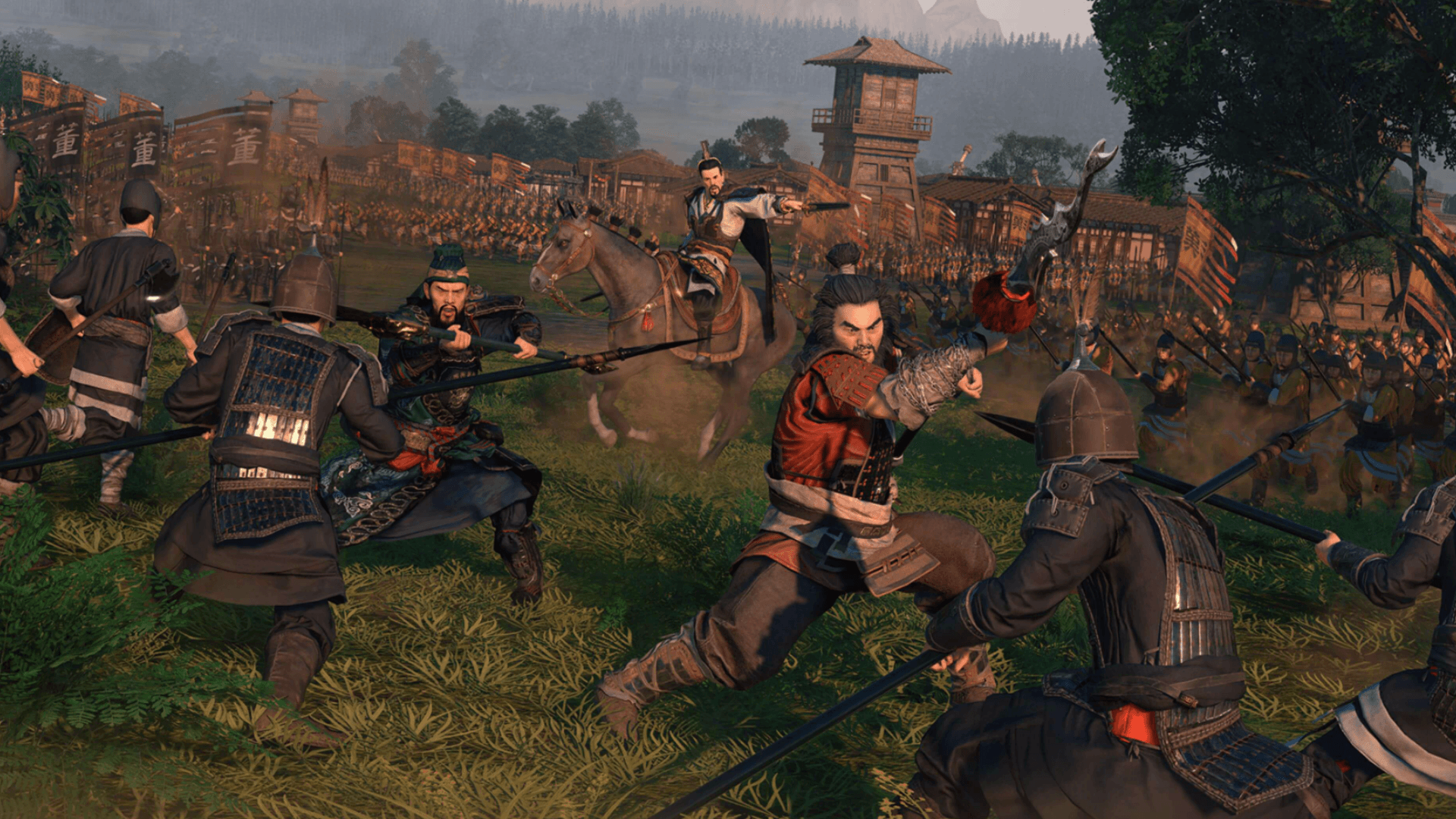
In 2019, Total War: Three Kingdoms explored the historical and literary interpretation of the Han Dynasty’s collapse. Its focus on character-driven systems distinguished it from earlier entries. Leaders such as Cao Cao and Liu Bei influenced diplomacy, court appointments, and battlefield performance.
The game offered Romance and Records modes, allowing players to choose between a dramatized take on the era or a more grounded one. DLC expanded the narrative timeline, covering events such as the Yellow Turban Rebellion and later campaigns involving key figures like Zhuge Liang.
Reimagining the Trojan War
A Total War Saga: Troy launched in 2020, adapting the Trojan War by mixing historical interpretation with legendary elements. Infantry units dominated the battlefields, reflecting Bronze Age combat, while recognizable heroes like Achilles and Hector played significant roles through duel mechanics and temporary combat boosts. The Divine Will system tied strategic decisions to the influence of gods, and the Mythos DLC introduced mythical beasts from Greek legend, adding an additional layer of variety to the campaign.
A Closer Look at the Bronze Age Collapse
Total War: Pharaoh, released in 2023, addressed the political instability leading to the Bronze Age Collapse. The game emphasized succession conflicts, royal court dynamics, and shifting alliances across Egypt, Anatolia, and the Near East.
Updates expanded the roster of playable leaders, adding Mesopotamian factions alongside iconic figures such as Agamemnon and Priam. The inclusion of the Sea Peoples introduced a more aggressive style of play, allowing players to disrupt regional powers through raids and invasions.
A Legacy Still Defining the Strategy Genre
From the disciplined clans of feudal Japan to the magical storms of the Old World, Total War’s evolution reflects Creative Assembly’s willingness to reinterpret both historical and fictional eras. The franchise’s 25-year milestone highlights its ability to adapt while maintaining the core structure that set it apart in 2000. The Total War Anniversary Sale on the Epic Games Store offers a curated look at the series’ defining entries, giving new and returning players a chance to explore its full range.
Frequently Asked Questions (FAQs)
What is Total War?
Total War is a strategy game series that combines turn-based empire management with real-time battles. Each entry focuses on a specific historical period or fictional setting.
Which Total War game should newcomers start with?
Many new players begin with Total War: Rome II or Total War: Three Kingdoms because both offer accessible systems and well-structured tutorials.
Is Total War historically accurate?
The series blends historical inspiration with gameplay considerations. Some titles aim for realism, while others, such as the Warhammer trilogy, focus on fantasy.
Does Total War support multiplayer?
Most Total War games offer multiplayer battles and campaign co-op modes, though features vary by title.
Are the games available on the Epic Games Store?
Several major entries, including Rome II, Attila, the Warhammer trilogy, Troy, and Pharaoh, are available on the Epic Games Store.
Does Total War use web3 or blockchain features?
No Total War game currently incorporates web3, blockchain, or cryptocurrency mechanics.
Is DLC required to enjoy the games?
DLC expands content and factions but is not mandatory. Base games offer full campaigns and core gameplay systems.