

The story connecting a political criminal case to the Steam storefront is not one anyone had on their bingo card this week, but here we are.
Ryan Wesley Routh, the man charged in connection with an alleged assassination plot against President Donald Trump, has been identified as a game developer with at least one title published on Steam. Since that connection surfaced publicly, his releases on the platform have become targets for review bombing campaigns.

Use code TRYHARD33 at checkout to redeem this offer before code expires again.
Get 33% Off GAMES+ Subscription
Who Ryan Wesley Routh is and what he published
Routh was arrested in September 2023 after the Secret Service spotted him hiding in the bushes near a golf course in West Palm Beach, Florida, where Trump was playing. He was found with a rifle, a backpack, and other equipment. He was convicted in March 2025 on charges of attempted assassination of a major presidential candidate and possession of a firearm by a convicted felon.
What most players would never have guessed is that Routh also had a presence on Steam as an indie developer. Reports confirmed he had at least one game listed under his name on the platform. The titles are small, low-profile releases that had virtually no community footprint before his name became national news.
The review bomb wave hits Steam
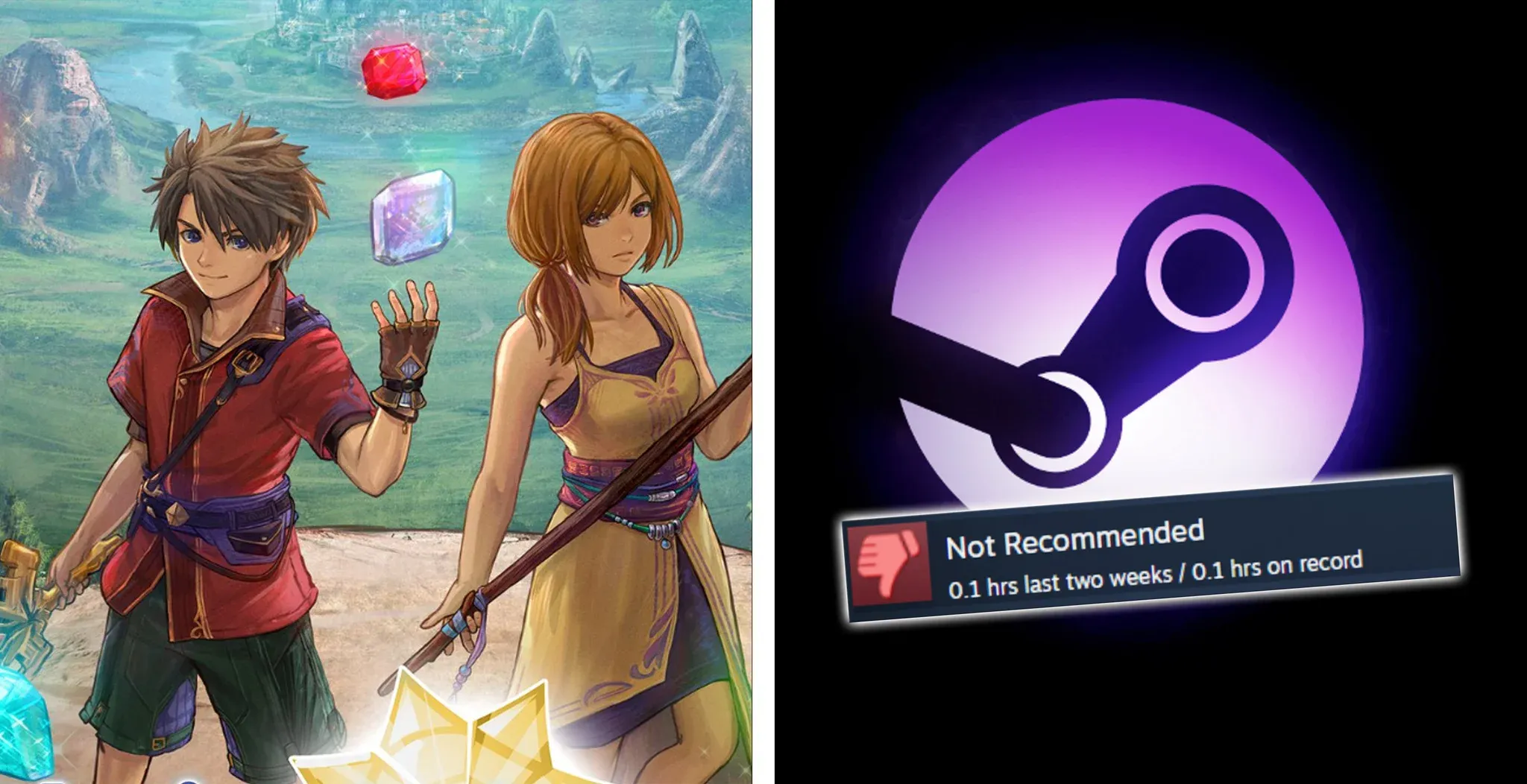
Once the connection between Routh and his Steam developer account became public, users moved fast. His games began accumulating waves of negative reviews, most with no commentary on the games themselves and instead referencing the criminal case or his public notoriety.
This is review bombing in its most textbook form: users flooding a product's review section with negative scores driven entirely by something unrelated to the actual game. Steam has dealt with this pattern repeatedly over the years, from political controversies to developer misconduct cases. Valve's platform does have a review bomb detection system that can flag and discount off-topic review spikes, but whether that system will be applied here is unclear.
The games themselves appear to have had minimal player bases before this week. There is no indication the review bombing reflects any genuine experience with the titles.
Why this keeps happening on Steam
Review bombing is not new, and it is not going away. The Routh situation is just the latest example of Steam's review system being used as a protest tool rather than a quality signal. Past high-profile cases include review bombs targeting games after developers made controversial statements on social media, games tied to companies involved in labor disputes, and titles connected to people accused of serious misconduct.
Here's the thing: Steam's review system was built to help players decide whether to buy a game. When it gets used as a public shaming mechanism, it stops serving that purpose entirely. That is a real problem for any developer, guilty of something or not, whose work gets caught in the crossfire.
Valve has not publicly commented on the Routh situation specifically. The platform's response, if any, will likely follow its standard review bomb review process, which can take time and is not always consistent.
For anyone wanting to track how Valve handles review controversies going forward, keeping an eye on ourgaming news covering platform policy is worth your time.
What comes next in the case and on the platform
Routh is already convicted and awaiting sentencing. The Steam angle is, in the broader scope of the case, a footnote. But it raises a question the gaming community has wrestled with before: should a developer's personal actions affect how their games are treated on storefronts?
There is no clean answer. Valve does have policies that allow it to remove content from Steam under certain conditions, but being convicted of a crime is not automatically grounds for removal. The review bombing, meanwhile, will likely fade as the news cycle moves on.
For a deeper look at how platform controversies play out across the gaming industry, you can browse more guides covering the business and culture side of gaming.