

"Good things can happen when you try to be good people about tricky situations." That's No More Robots founder Mike Rose reflecting on one of the more unusual indie launch stories to hit Steam recently, shared in a Bluesky post after Piece by Piece pulled in roughly triple the sales he'd initially forecast.
Use code TRYHARD33 at checkout to redeem this offer before code expires again.
Get 33% Off GAMES+ Subscription
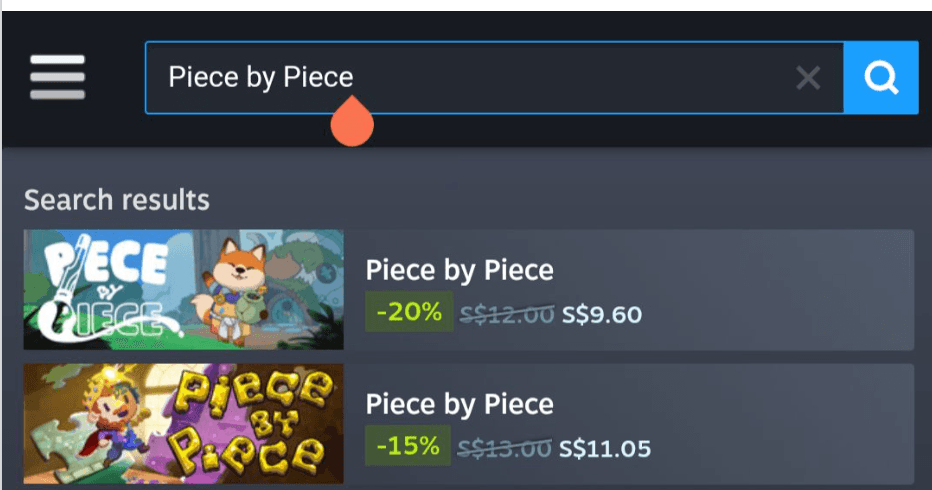
How two totally different games ended up with the same name
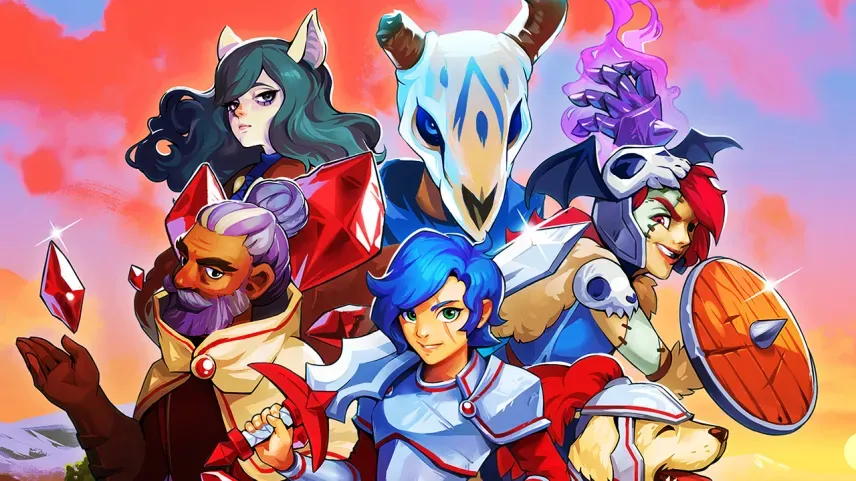
No More Robots published developer Gamkat's cozy shop sim Piece by Piece on March 11. The game's opening performance sat squarely in what Rose characterized as "not amazing, not bad, just very middle of the road" territory. Respectable, but nothing that would warrant breaking out the champagne.
Then, two days later on March 13, developer Neon Polygons released its own completely separate game on Steam. Also titled Piece by Piece. A casual puzzle platformer with zero resemblance to the cozy shop sim. Just an identical name, arrived at through pure coincidence, with neither team aware of the other.
Steam hosts over 20,000 game releases annually, so name overlaps aren't unheard of. But two identically titled games dropping within 48 hours? Rose described it as "so weird and batshit," and that assessment tracks.
The bundle that turned chaos into a sales spike
Here's what matters: instead of treating the situation as a conflict or pretending it didn't exist, both studios embraced it. No More Robots and Neon Polygons assembled a discounted Steam bundle pairing both games, letting players pick up the cozy shop sim and the puzzle platformer together at a lower combined price.
The decision generated widespread coverage across gaming media. The accidental naming collision became a story that spread quickly, transforming what could have been a logistical nightmare for both teams into a visibility surge neither had anticipated.
Rose noted that 50% of buyers picked up the No More Robots Piece by Piece through the bundle alongside Neon Polygons' version. That's a substantial figure. Half of all purchases came via a product that wouldn't have existed without the naming coincidence creating the opening for it.
What the numbers actually looked like
Rose provided concrete figures in his Bluesky breakdown. Final sales landed at approximately 3 times No More Robots' pre-launch projections. The bundle accounted for a major portion of that performance, though Rose pointed out it wasn't the sole contributing factor. Wishlists for the game climbed sharply as the story gained traction, building a fresh pool of potential buyers the team could convert later.
The crucial detail here is that the viral moment didn't just inflate launch-day figures before vanishing. It created lasting momentum through wishlists, which remain one of Steam's more reliable predictors of sustained sales performance.
"It all absolutely popped off," Rose wrote, which captures the situation about as cleanly as possible.
What this actually means for indie devs watching from the sidelines
Rose avoided overstating the lesson. "It's hard to really have a takeaway from all of this, because we never planned for any of it to happen," he admitted. You can't manufacture a naming collision with a cooperative competitor and expect the press to frame it as a feel-good narrative. That element was pure chance.
But the response to the situation wasn't chance. Both studios opted for collaboration instead of confrontation, moved quickly to assemble the bundle, and allowed the story to unfold naturally. The goodwill that decision generated is what gave journalists material worth covering.
For the hundreds of indie games launching weekly on Steam that vanish without a trace, the actual takeaway is less about naming tactics and more about how developers manage unexpected circumstances in public view. Transparency, humor, and a readiness to partner with competitors rather than oppose them converted a potential PR disaster into the strongest marketing either studio could have hoped for. For more on what's hitting Steam currently, browse the latest gaming news to track the indie releases worth attention. Make sure to check out more: