Choosing the best indie strategy game for a beginner depends on what has put you off the genre in the first place. Too many systems, pressure to act quickly, and harsh penalties for mistakes are separate problems. A turn-based game can remove time pressure and still be difficult to win. A simple interface can hide demanding decisions.
These six PC games offer different entry points, including two strategy-puzzle hybrids for players who want a gentler introduction. Choose the kind of decisions you want to make before comparing prices.

Use code TRYHARD33 at checkout to redeem this offer before code expires again.
Get 33% Off GAMES+ Subscription
Choose the Learning Problem You Actually Want to Solve
For this list, beginner-friendly means there is a manageable route into the decisions: a narrow set of systems, time to think, or a useful gentler mode. It does not mean every game is easy, every mode is relaxed, or every player will find the same starting point comfortable.
- Too many rules put you off: Start with Dorfromantik's tile placement. Mini Metro adds the challenge of maintaining a changing network, without asking you to learn factions and combat matchups.
- You freeze when decisions need to be fast: Compare Into the Breach, Wargroove, and Polytopia. Their turn-based structure gives you time to think. Decide whether you want a compact tactical problem, an army campaign, or an expanding civilization.
- You understand action games but not strategy: Thronefall keeps direct combat involved while making your daytime spending matter. It is a useful bridge when action is comfortable; it is a poor solution when reflex pressure is the barrier.
- You need permission to make mistakes: Prioritize the mode you will actually select. Dorfromantik's Creative mode and Mini Metro's Endless or Creative modes serve a different purpose from chasing scores. Wargroove's Story and Easy settings help you learn the campaign without making a high mission rank the first objective.
Dorfromantik
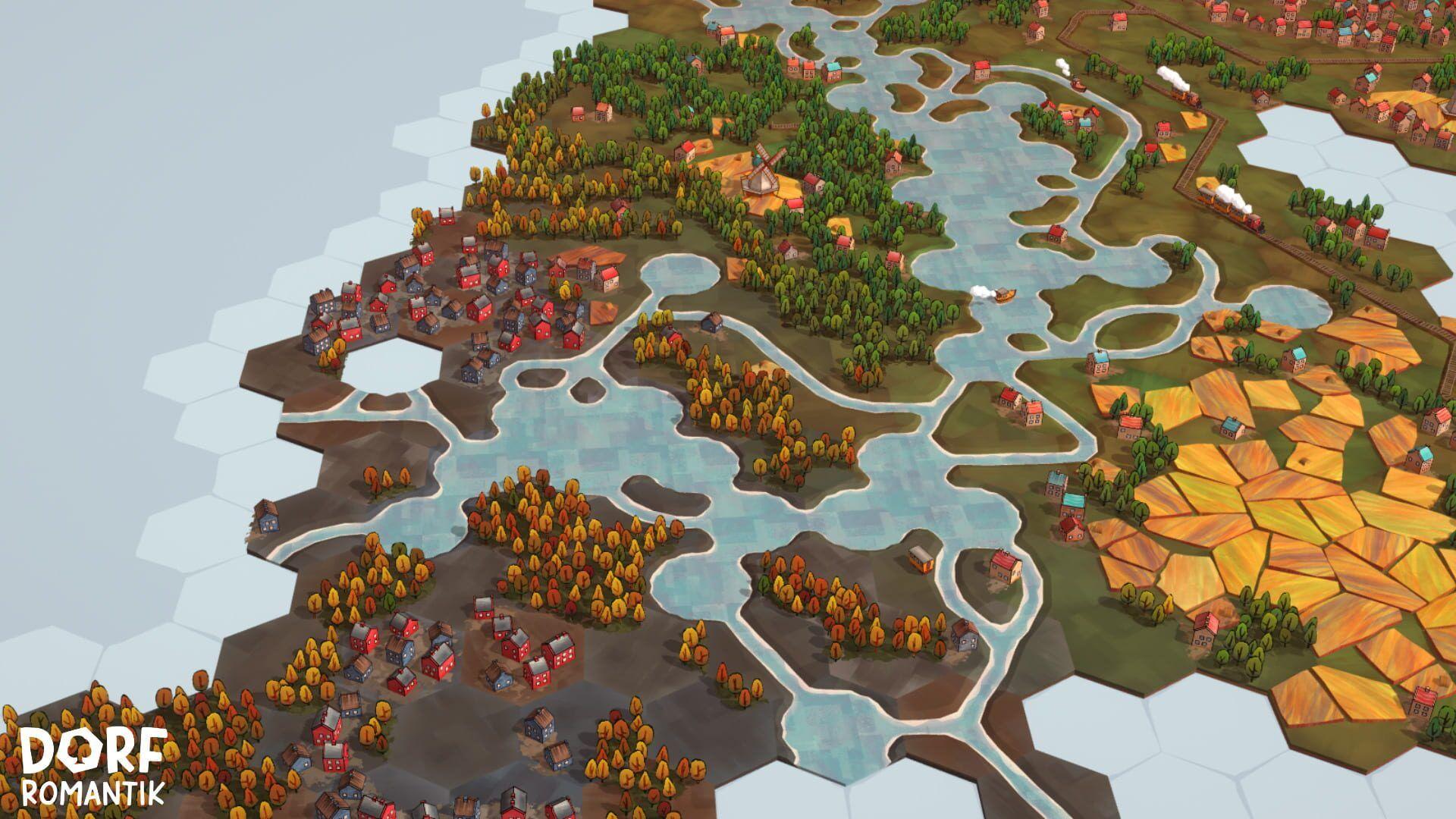
Dorfromantik asks you to place landscape tiles, connect matching features, and fulfill requirements that earn more tiles. The scored game ends when your stack runs out. Creative mode lets you build a landscape without that limit. Official game details.
Its appeal for a newcomer is focus. You can concentrate on how the next placement affects the space around it, without also learning combat, diplomacy, or a technology tree. Start with the scored game if goals help you learn; try Creative if the prospect of running out of tiles makes you tense.
Buy it for spatial planning and a peaceful atmosphere. It offers little preparation for commanding an army or managing a complicated economy, because those are different activities. If conquering a world is why strategy interests you, Polytopia is a closer match even though it asks more of you.
Mini Metro
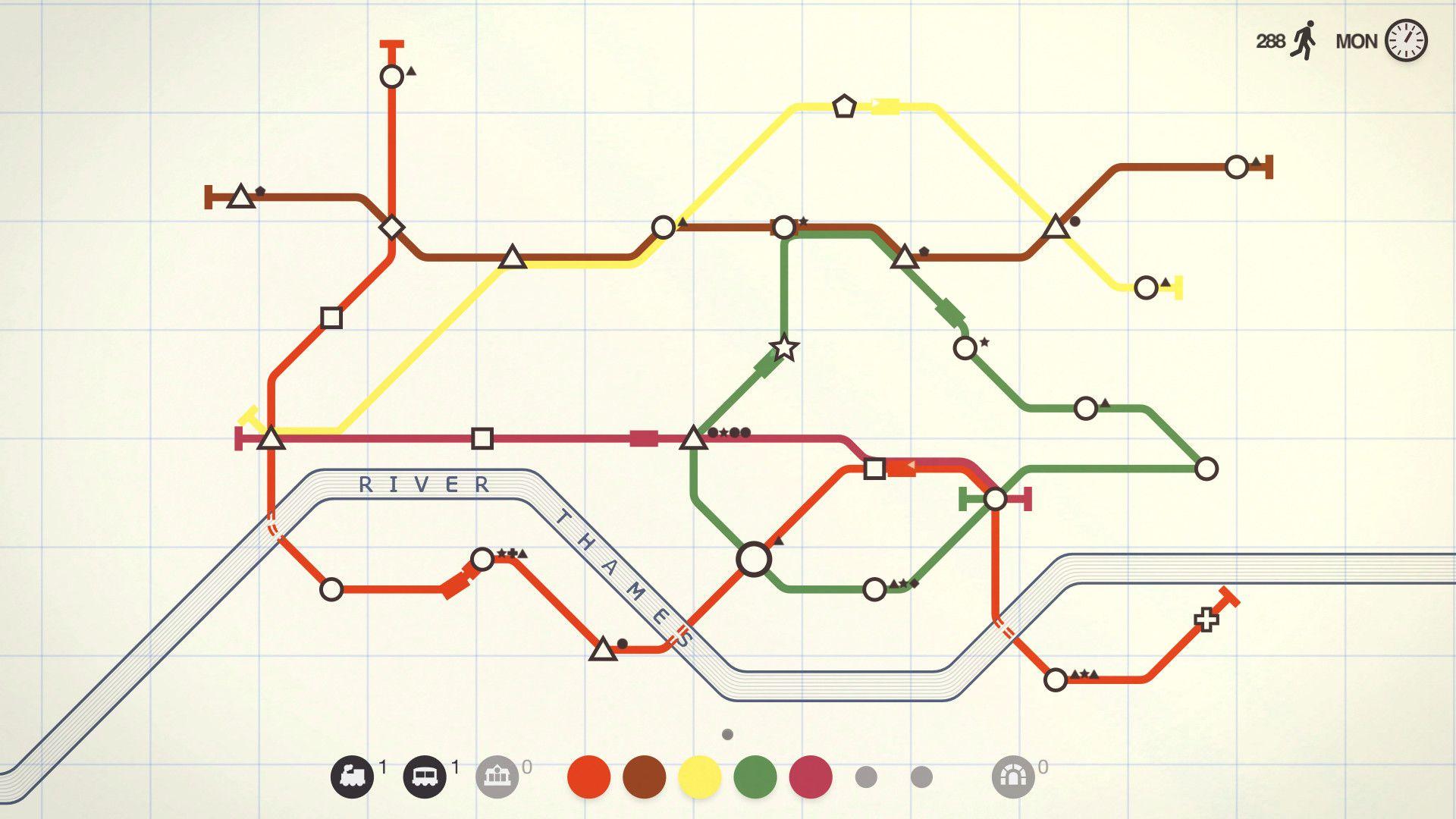
Mini Metro has an immediately understandable task: connect stations with subway lines and keep passengers moving. As the city grows, limited resources and overloaded stations push you to revise the network. Normal mode is scored, while Endless and Creative offer alternatives for less pressured experimentation. Official game details.
This is a useful purchase if you like diagnosing why a system has stopped working. Drawing a line is easy to understand; deciding where scarce capacity will help most becomes the deeper challenge.
Its clean presentation should not be mistaken for a promise of calm. A growing network can become hectic in Normal mode. Choose it over Dorfromantik when adapting an existing plan sounds more interesting than carefully extending a landscape. Choose Dorfromantik when you would rather avoid watching a service struggle to keep up with demand.
The Battle of Polytopia
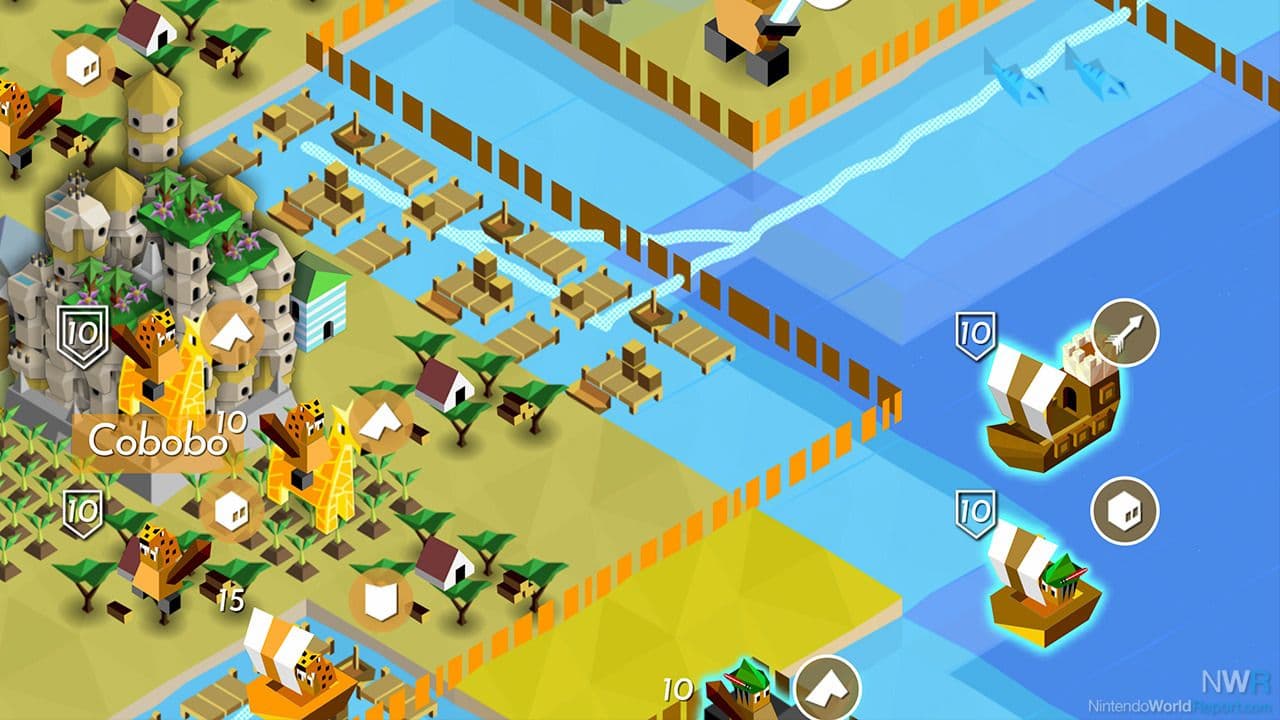
Polytopia puts exploration, expanding territory, technology research, and warfare into a turn-based game. It includes generated maps, configurable map types, several sizes, and single-player and multiplayer play. Official game details.
Beginners can explore the empire-building idea without choosing the largest map or immediately facing experienced human opponents. Start with a modest single-player map. That keeps your attention on how expanding, researching, and defending compete for resources.
There is still more to learn here than in Dorfromantik or Mini Metro. Your decisions connect across an entire civilization, so a weak plan can take time to reveal itself. Buy it if that broader view is the attraction. Check the package contents before choosing a bundle: extra tribes and cosmetic content are listed separately, and you do not need every option to begin learning.
Into the Breach
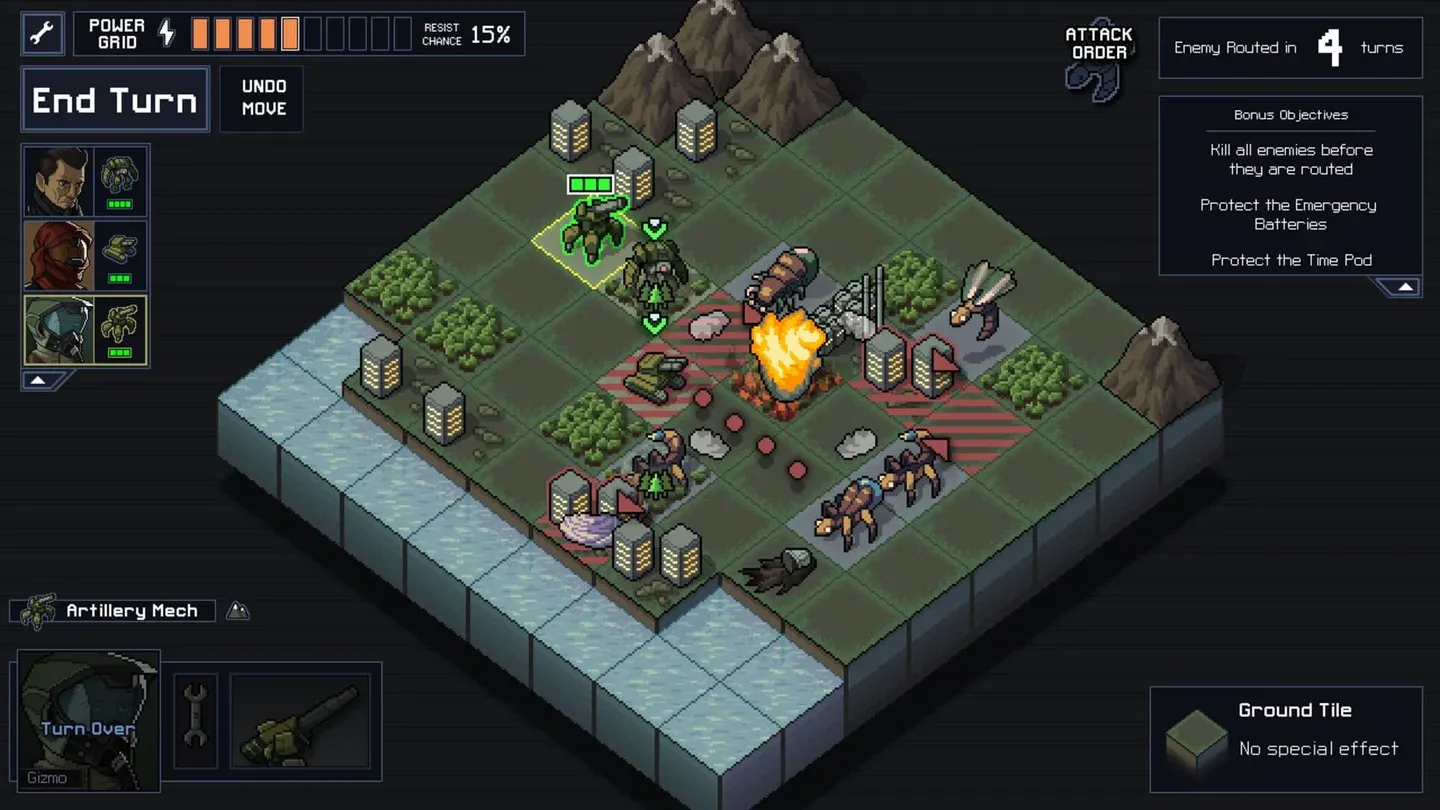
Into the Breach is a turn-based tactics game about defending cities with mechs. Enemies show their intended attacks, letting you consider a response before committing your turn. Protecting civilian buildings matters as much as handling the attackers. Official game details.
That visible information is its strongest argument for beginners. You can identify a specific threat and work through how your available actions might change it. It suits someone who likes solving a compact problem and understanding why a decision worked.
It can still be unforgiving. Seeing the danger doesn't guarantee you will find a clean solution, and mistakes can derail an entire attempt. Choose it if challenge motivates you, not an easy win. The developer also lets you disable additional Advanced Edition content when choosing a difficulty, which is useful while learning the core game.
If you want visible enemy plans and patient problem-solving, compare the current Into the Breach offer on GAMES.GG. Check the platform and activation terms before purchase.
Thronefall
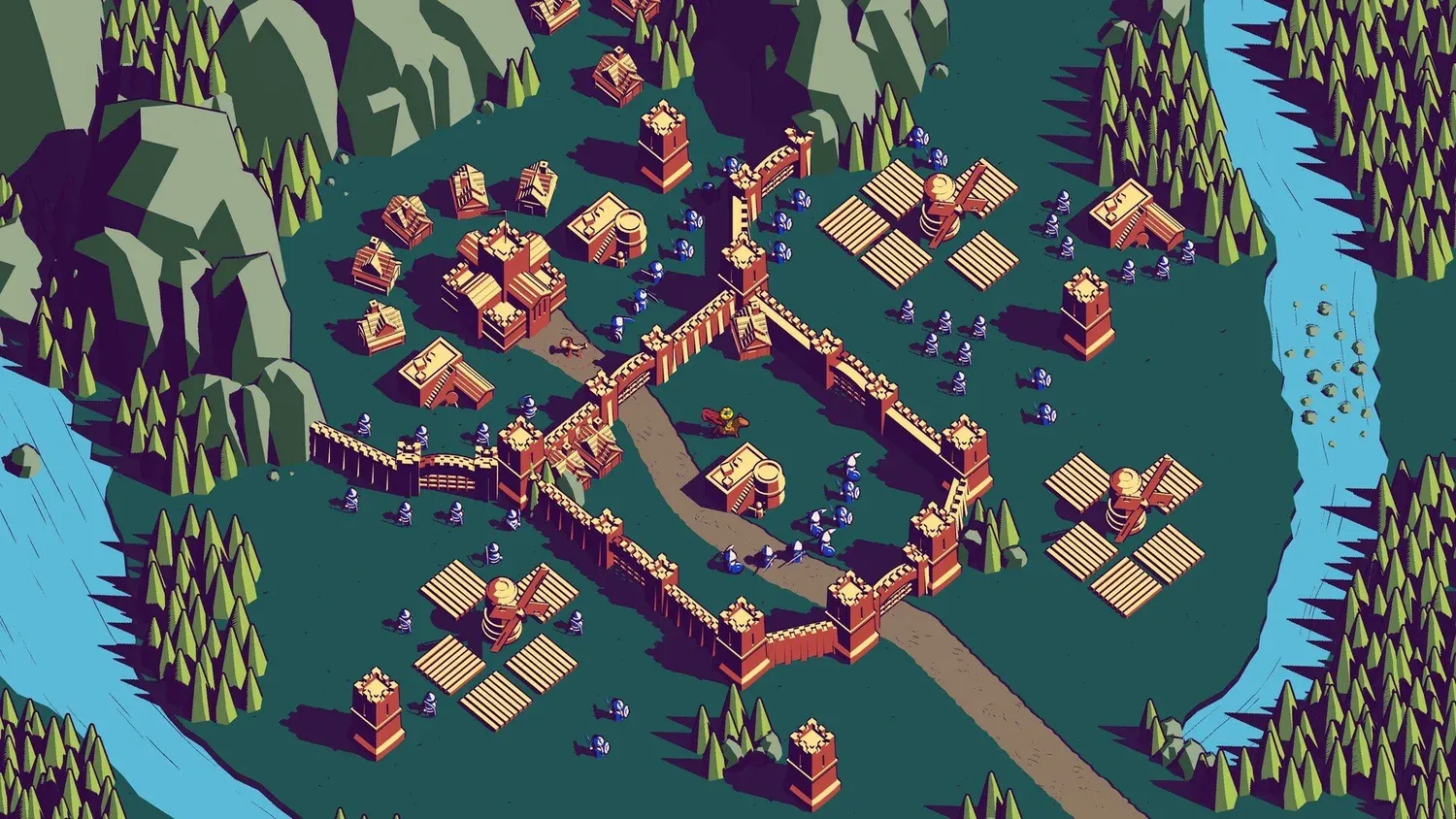
Thronefall separates building a kingdom during the day from defending it at night. You invest in the economy and defences, recruit troops, and join the fighting yourself. Optional mutators increase the challenge. Official game details.
It is a promising first strategy purchase for an action player who wants their decisions to shape a battle without losing direct control. The central question is easy to grasp: how much can you invest in tomorrow's income while still surviving tonight?
The fighting adds a demand that the turn-based choices here avoid. If you dislike thinking under pressure, Thronefall may be the wrong starting point, even with its streamlined design. Begin without optional challenge modifiers. Pick it for the combination of preparation and action, rather than treating the small kingdom as evidence that every defence will be simple.
Wargroove
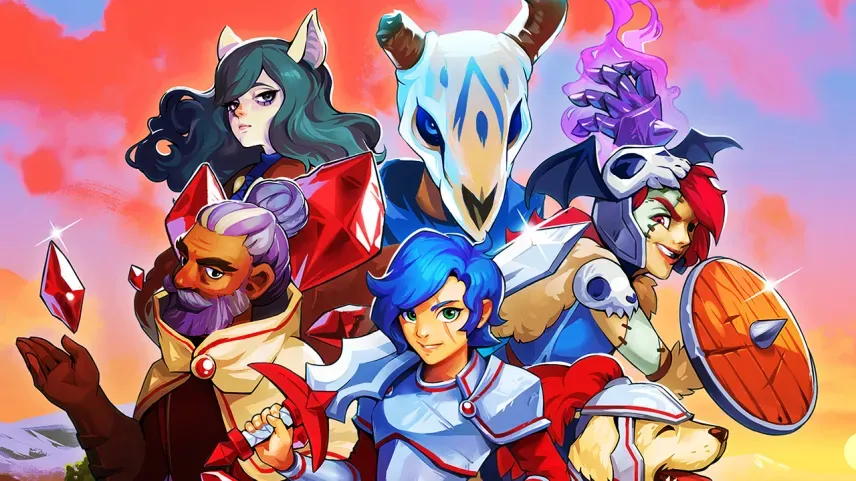
Wargroove is the choice for someone who specifically wants to command an army through turn-based battles and a fantasy campaign. Its commanders, opposing factions, and battlefield focus make it a more direct introduction to army tactics than a transport or tile-placement puzzle. Official game details.
Difficulty settings matter for this recommendation. Wargroove offers Story and Easy presets, plus a campaign checkpoint system. Lower difficulties limit the ranks or stars you can earn, so learning on a gentler setting has a scoring tradeoff.
Choose it if a campaign motivates you to learn positioning and army management. Start on a forgiving preset and use checkpoints. If you want very small tactical problems without managing an army across a battlefield, Into the Breach is the more focused option.
Which Edition Is Worth Buying as a Beginner?
The base game is the sensible starting comparison for these recommendations.
- Dorfromantik: The Steam store lists the game separately from a Complete Set containing soundtracks and a Medieval Biome Pack. Buy extras because you want their contents, not because the word Complete makes the base game sound unsuitable for learning.
- Polytopia: The Steam packages distinguish the game from a Deluxe collection with extra tribes and skins. A newcomer has a more useful first question than how many extras are included: do you enjoy the cycle of exploring, researching, expanding, and defending? Start with the game if you are still finding that out.
- Into the Breach: The Advanced Edition update is free, not an expansion you have to add to the cart. The developer's FAQ explains that you can turn off the additional content when selecting difficulty. You can buy the game once and begin with fewer unfamiliar elements.
Set Up Your First Sessions to Answer One Question
Each game rewards a focused first session with a single question in mind:
For Wargroove, deliberately select Story or Easy rather than assuming the default is a beginner preset. Its official difficulty update identifies Hard as the default and allows one active campaign checkpoint to retry from. For Thronefall, leave optional mutators off until building and defending feel familiar.
These starting approaches are recommendations, not an instruction to avoid challenge forever. If the underlying decisions interest you, there is room to increase pressure later. If they do not, a larger DLC bundle is unlikely to fix the mismatch.
Which Beginner Strategy Game Should You Buy First?
- For a low-pressure introduction: Start with Dorfromantik or Mini Metro's gentler modes.
- For a first combat strategy game: Choose Into the Breach if you like tactical puzzles, Wargroove if you want a campaign, or Thronefall if you already enjoy action.
- For empire building: Pick Polytopia when expanding a civilization is the goal.
You only need one of these to find out which kind of strategy you enjoy. Browse the GAMES.GG store for current availability, then check the edition, activation platform, region, and system requirements. A good first purchase should make you want to learn the next decision.