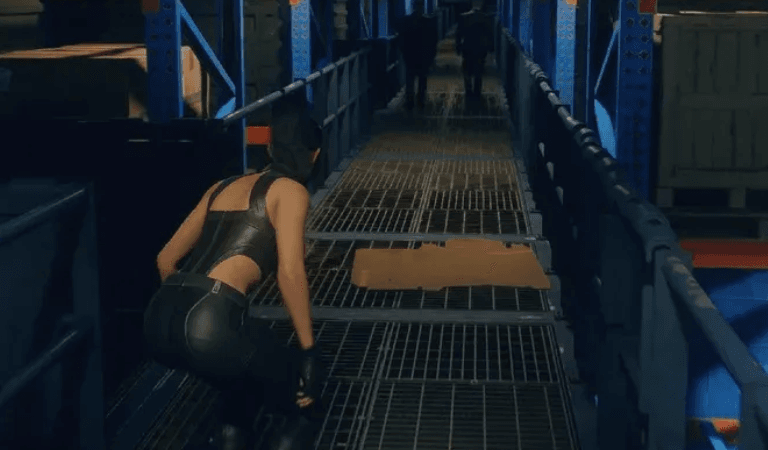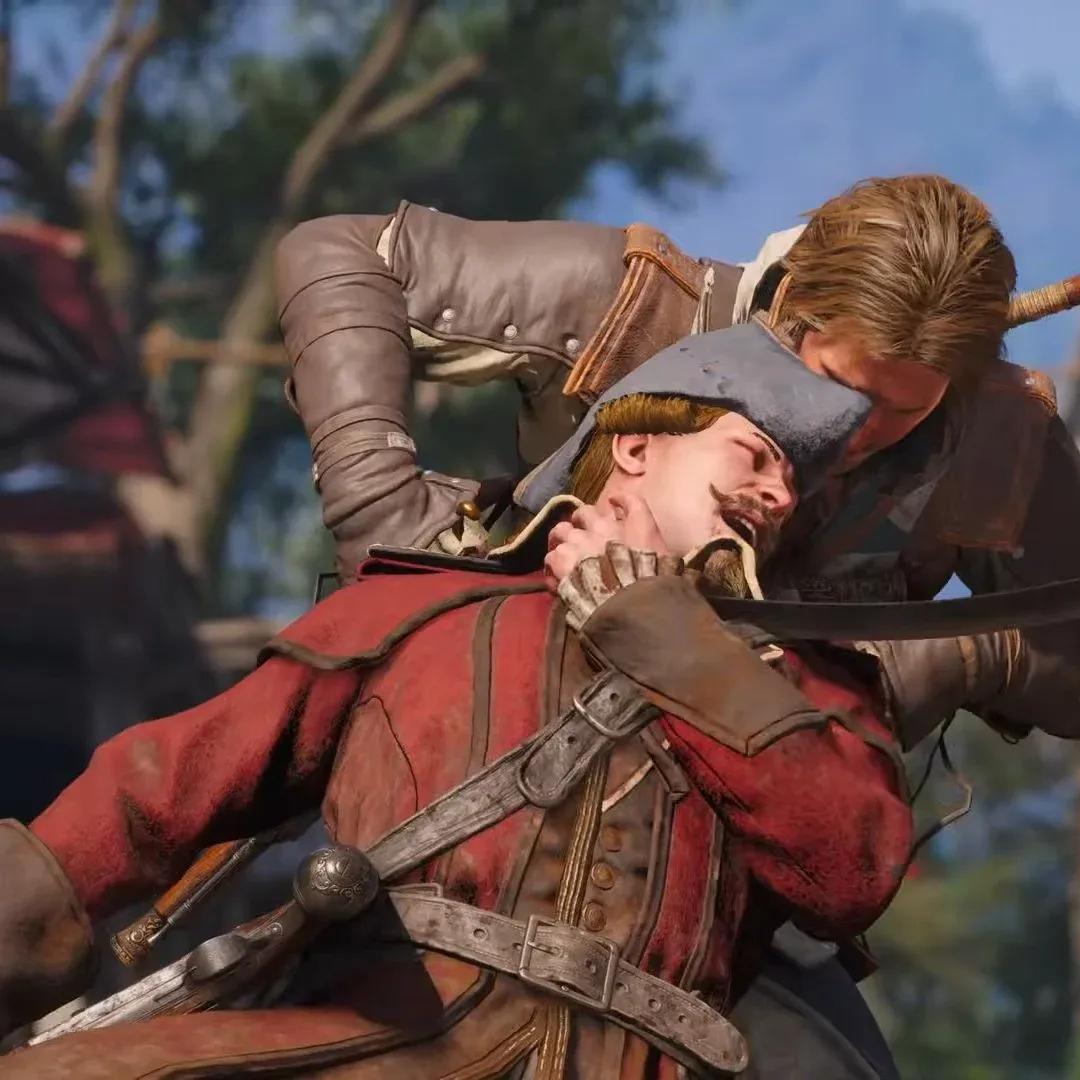

Fifty-one developers at Ubisoft Barcelona just lost their jobs. The game they shipped, Assassin's Creed Black Flag Resynced, launched to strong reviews and solid sales on July 9. None of that saved them.
The workers still at the studio are not staying quiet about it. A three-day strike is planned from Tuesday, July 14 through Thursday, July 16, and the team is actively asking fans of the game to show their support.
What the Barcelona team is actually demanding
The strike flyer circulating online puts it plainly: "After years of dedication to our team, the company has turned its back on us. We will never see the fruits of our labour, and the reward for our hard work will be the loss of our jobs."
The demands go beyond just protecting those already affected by the current round of cuts. Workers are pushing for a new mandate covering employees hit by the layoffs, a five-year guarantee against future layoffs, a 60% monthly work-from-home ratio, and a full review of salary improvement plans and social benefits.
Here's the thing: these are not outlandish asks. A five-year job security guarantee and hybrid work flexibility are the kind of baseline protections that workers in most other industries take for granted.
A no-win situation for the people who built the game
The timing is what makes this so difficult to process. Black Flag Resynced delivered exactly what players and Ubisoft needed. The game performed. The team did their jobs. The layoffs happened anyway.
That context, more than anything, explains the frustration in the strike flyer. There was no path to keeping their jobs by making a better game. The decision appeared to have been made regardless of the project's outcome, leaving developers in a position where effort and quality had no bearing on job security.
The broader pattern at Ubisoft and across the industry
Ubisoft Barcelona is not an isolated case. Ubisoft Halifax, the company's first North American studio to unionize, was shut down entirely earlier this year, with over 70 developers losing their jobs. The pattern is hard to ignore.
ZeniMax workers, covering teams at Bethesda, id Software, and MachineGames, went on strike against parent company Microsoft back in 2024. The response from Microsoft included further layoffs, including significant cuts to id Software. At Quantic Dream, developers went on strike earlier this year citing chronic understaffing and mandatory overtime. One developer described the experience as being told you have creative freedom while any decision that contradicts management gets rejected outright.
"It's extremely hard to cope with on a day-to-day basis because you never know where you stand. You're working for nothing. It's humiliating." That quote came from a Quantic Dream developer, but it could have come from almost anywhere in the industry right now.
Why fan support actually matters here
Developer strikes gain traction when they get visibility. The Barcelona team reaching out to fans is a deliberate move. Players who enjoyed Black Flag Resynced have a direct connection to the people being affected, and that connection gives the strike a public face that pure labor disputes often lack.
What most players miss is that supporting developers in situations like this is not just symbolic. Public pressure shapes how publishers respond to labor actions, particularly when the game in question is still fresh in the cultural conversation.
The key here is that Black Flag Resynced is a game people are still playing and talking about right now. That window of relevance is exactly when fan solidarity carries the most weight.
For players who want to stay up to speed on the game itself while this situation develops, our Assassin's Creed Black Flag Resynced guides cover everything from naval combat mechanics to rift locations, and supporting the game by playing it keeps the Barcelona team's work in the spotlight at a moment when that visibility matters.