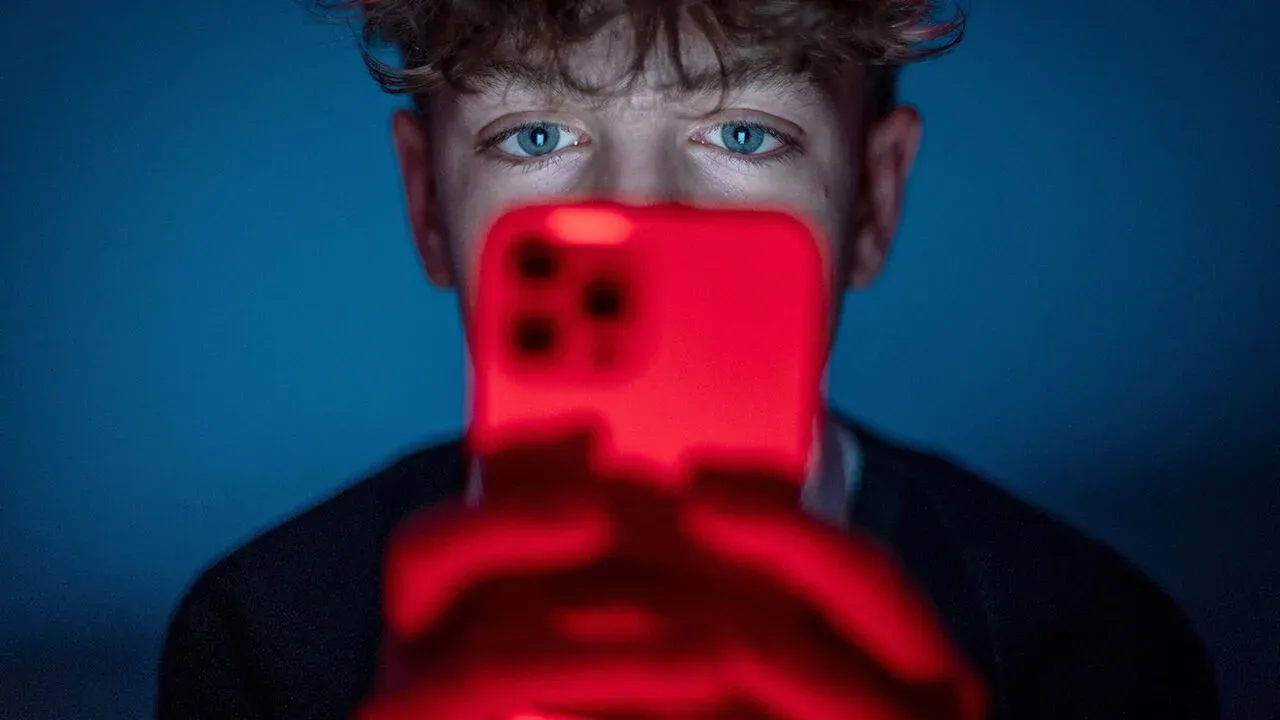


The UK government has announced a ban on social media for children under 16, naming platforms including YouTube, TikTok, Instagram, Snapchat, and X, with gaming livestream sites like Twitch also potentially in scope.
Prime Minister Keir Starmer wants the legislation passed before Christmas, with enforcement beginning by Spring 2027. His framing was blunt: “Tech giants had their chance and failed, but we're stepping in to protect children, back parents and set a new normal for future generations.”

Use code TRYHARD33 at checkout to redeem this offer before code expires again.
Get 33% Off GAMES+ Subscription
What the ban actually covers
The specific list of banned platforms will be finalised by ministers at a later date, but the government's announcement goes beyond a straightforward social media block. The legislation will also restrict livestreaming and direct communication between strangers and under-16s across a broader range of online services. The government specifically called out "gaming sites" in that context, which is why Twitch is sitting in an uncomfortable grey zone right now.
For anyone keeping score at home: this isn't just about Instagram and TikTok. A platform where teenagers watch live gaming content, chat in real time, and interact with strangers fits the government's stated criteria almost perfectly.
The government is also weighing curfews and mandatory breaks in infinite scrolling for under-18s, with more detail expected in July.
The global context this fits into
The UK isn't operating in a vacuum here. Australia became the first country to enforce an under-16 social media ban, which came into effect last year. Spain and Portugal are expected to follow in 2026, with similar legislation moving through France, Canada, Norway, Denmark, Malaysia, and Indonesia. Starmer claimed the UK's version goes further than any of them, particularly because of the additional restrictions on livestreaming and stranger communication.
Some platforms have already been adapting. Discord and Xbox have both rolled out age verification systems in markets where the UK's Online Safety Act, which came into force in July 2025, requires it. On Xbox, players now need to verify their age to use voice or text communication with anyone outside their friends list. If the new ban extends to Discord, that existing verification infrastructure could become the baseline requirement just to access the service at all.
Not everyone thinks this works
The announcement has genuine support from bereaved families, including Esther Ghey, whose daughter Brianna Ghey was murdered in 2023. Ghey welcomed the move but flagged a real concern: you can't just cut off access without putting support structures in place for the young people affected.
The pushback from child safety organisations is sharper. The Molly Rose Foundation, set up in memory of 14-year-old Molly Russell who died in 2017 after viewing harmful content online, argues the ban will actually reduce pressure on platforms to fix their algorithms. Chief executive Andy Burrows put it plainly: a majority of children will keep using high-risk sites that now have no incentive to clean themselves up.
There's also a specific concern about YouTube. Labour MP Feryal Clark pointed out that YouTube functions as a genuine educational resource, used by students revising for exams, learning languages, and picking up practical skills. Lumping it in with TikTok, she argued, risks cutting young people off from something that genuinely benefits them. YouTube itself pushed back publicly, warning that blanket bans push kids toward "anonymous, less safe services" rather than supervised, curated environments.
Here's the thing: both of those critiques can be true at the same time. The algorithm problem is real, and so is the educational value argument. What most players miss in this debate is that the government's approach treats the platform as the problem rather than the specific features that cause harm.
What comes next for gaming platforms
The practical implications for gaming are still taking shape. Twitch's status won't be confirmed until ministers finalise the platform list. Discord has a head start on age verification but may need to extend it further. Platforms that rely on young audiences for growth, including many gaming-adjacent services, are watching this closely.
The legislation needs to clear Parliament before Christmas, which gives the industry several months to lobby, adapt, or challenge specific inclusions. For a broader look at gaming platforms and what's worth your time, our game reviews and gaming guides sections here will keep tracking how these changes land in practice as the Spring 2027 deadline approaches.