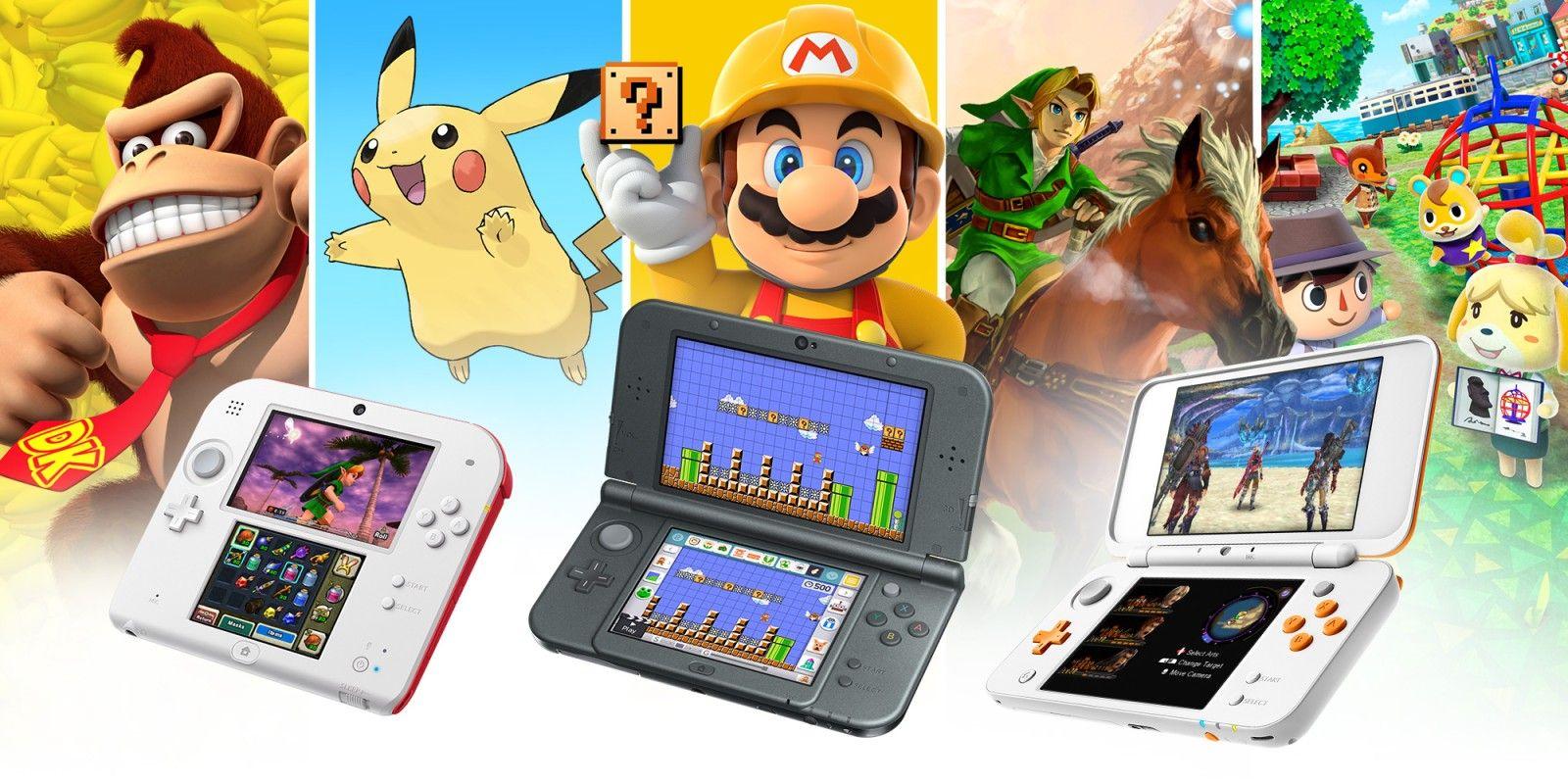


The Nintendo 3DS launched in 2011 to a lukewarm reception and a price cut within months. By the time it was discontinued in 2020, it had accumulated one of the most distinctive game libraries in Nintendo history, with over 1,800 titles and a top 50 that spans gothic strategy RPGs, courtroom dramas, mech-suit platformers, and a game where you defend an orca in court.
That range is the point. The 3DS did not just sell games. It sold personality.
Here is the lowdown: looking at the best games the 3DS produced is not just nostalgia tourism. With the Switch 2 now in players' hands and Nintendo's next software slate taking shape, the 3DS era serves as a reminder of what happens when a platform is allowed to be genuinely weird. Games like Kid Icarus: Uprising, WarioWare Gold, and Kirby: Planet Robobot did not exist to fill a release calendar. They existed because someone at Nintendo, or a trusted partner, had a specific vision and was given room to execute it.

Use code TRYHARD33 at checkout to redeem this offer before code expires again.
Get 33% Off GAMES+ Subscription
The titles that defined a platform's character
Fire Emblem: Awakening is the clearest example of what creative investment actually looks like. The series was genuinely close to being shelved before Awakening shipped in 2013. Intelligent Systems took a tactical RPG that had never broken through in the West and turned it into a mainstream phenomenon, largely by making its characters feel like real people rather than chess pieces. The relationships built on and off the battlefield in that game still stick with players years later.
That success opened the door for Fire Emblem Fates, Fire Emblem Echoes: Shadows of Valentia, and eventually Three Houses on Switch. None of that happens without the 3DS taking a genuine swing.
Metroid: Samus Returns in 2017 told a similar story. Developer MercurySteam rebuilt a Game Boy sequel from scratch, added a melee counter mechanic that completely changed the pacing of Metroid combat, and delivered something that felt both faithful and genuinely new. Nintendo then trusted MercurySteam with Metroid Dread on Switch. The 3DS was the audition.
What most players miss about the platform's identity
The 3DS had a genuine tolerance for niche. Shin Megami Tensei IV, Bravely Default, Zero Escape: Virtue's Last Reward, Fantasy Life -- these are not games that a modern publisher running spreadsheet-driven greenlight meetings would approve without hesitation. They are games that exist because someone believed in them.
The key here is that Nintendo's platform identity during the 3DS era was not defined by any single franchise. Zelda dominated the top of user rankings with Ocarina of Time 3D, Majora's Mask 3D, and A Link Between Worlds all placing in the top 4, but the library around those anchors was genuinely diverse. Shovel Knight sat comfortably at number 12. SteamWorld Heist from a small Swedish studio cracked the top 40. Phoenix Wright: Ace Attorney entries appeared multiple times.
That breadth came from Nintendo actively supporting third parties and smaller developers on the platform rather than treating them as filler between first-party releases. The result was a library where a player could move from Animal Crossing: New Leaf to Resident Evil Revelations to Dragon Quest VIII without ever feeling like the platform had a narrow identity.
If you want to see how that philosophy translates to current Switch 2 titles, our Switch 1 vs Switch 2 comparison for Tomodachi Life: Living the Dream breaks down exactly what Nintendo's social sim approach looks like across both generations of hardware.
The Pokémon question and what it reveals
Here is the thing: the 3DS Pokémon era is genuinely fascinating in retrospect. Pokémon X and Y brought full 3D character models to the series for the first time in 2013. Omega Ruby and Alpha Sapphire pushed the Soar mechanic and gave the Hoenn remakes a distinct identity. Sun and Moon restructured the entire game loop around Island Trials rather than gym badges.
Those were real design decisions, not just incremental updates. Game Freak was experimenting. The results were not universally loved but they were distinct. Sun and Moon's Alolan forms, the Z-moves, the character customization -- these were genuine attempts to evolve a formula that had been running for nearly two decades.
For players jumping into the current Pokémon Pokopia on Switch, our guide on how to play Pokémon Pokopia on Nintendo Switch 1 covers the GameShare feature and Palette Town multiplayer in detail. And if you want to get the most out of the experience right away, the best settings guide for Pokémon Pokopia walks through every Game, Camera, and Sound option worth adjusting.
Why this matters right now
The 3DS library is a documented case study in what Nintendo looks like when it commits to style alongside safety. Kirby: Planet Robobot is a game about a pink sphere piloting a mech through industrialized versions of classic Kirby levels. It is one of the best games in the franchise's history precisely because it committed completely to that premise rather than hedging.
WarioWare Gold shipped in 2018, late in the 3DS lifecycle, at a point when most players had moved to Switch. It used every hardware quirk the 3DS had, from dual screens to the microphone, and packaged 300 microgames into a celebration of the platform's specific capabilities. Nobody asked for that game. Nobody needed it. It exists because someone at Nintendo thought it was worth making.
The Switch 2 era is young. Nintendo's software slate for the next two years will tell us whether that same tolerance for creative risk survived the transition. The 3DS library makes the case that playing it safe is the actual gamble. Pro tip: the platforms people remember are the ones that took chances on games nobody expected to love.