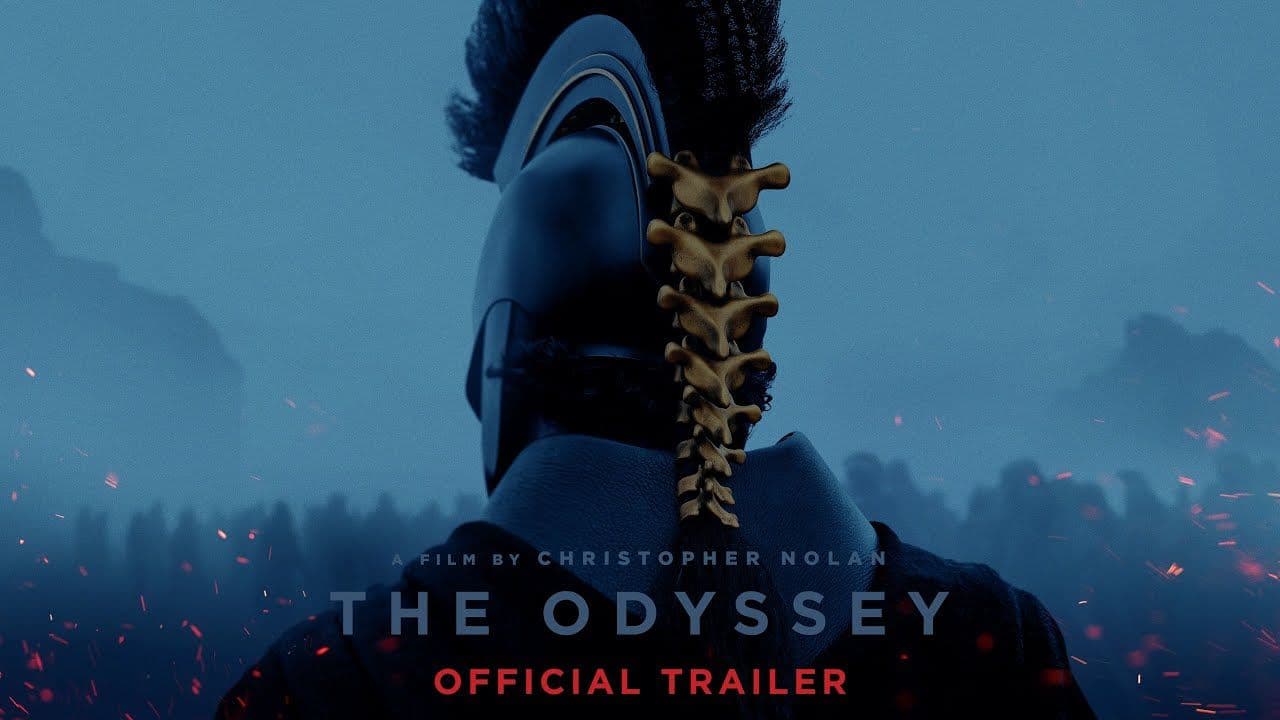


Christopher Nolan's $250 million adaptation of Homer's ancient epic is pulling audiences back into cinemas, and it's doing something unexpected along the way: it's making people hungry for more. Translations of The Odyssey are selling out. Classics departments are getting a second look. And if you walked out of that theatre wanting to actually live inside that world rather than just watch it, gaming has you covered in ways the film simply cannot match.
Here's the thing about Greek myth in games: it hits differently than it does on screen. You're not watching Odysseus struggle through the wine-dark sea. You're the one making the decisions, building the power, and facing down the monsters. The emotional weight lands harder when it costs you something.
Use code TRYHARD33 at checkout to redeem this offer before code expires again.
Get 33% Off GAMES+ Subscription
Where the myth actually lives in gaming
Sipher Odyssey is the most direct connection to Nolan's film for anyone drawn in by the ancient Greek aesthetic and the idea of a hero pushing through impossible odds. It's a roguelite action game built around mythological archetypes, and the augment system is where the real depth hides. If you want to understand how builds and progression work before jumping in, the Sipher Odyssey augments guide breaks down exactly what each augment does and how to stack them effectively. The loop of fighting through waves of enemies, powering up between runs, and pushing further each time maps almost perfectly onto the Odyssean fantasy of a warrior who refuses to quit.
The key here is that Sipher Odyssey doesn't just borrow the aesthetic. The structure of the game, the constant forward momentum against overwhelming forces, mirrors the poem's core tension better than most big-budget action games manage.
Greek gods, brutal combat, and the roguelite formula
Achilles: Survivor takes the mythological combat angle and cranks the difficulty up. You're a lone warrior surviving endless waves of enemies, and the transformation mechanics give the game a genuine sense of escalating power that feels earned rather than handed to you. The game rewards players who take time to understand its systems, and the beginner strategies for Achilles: Survivor are worth reading before you start, because the early game punishes anyone who ignores synergies between abilities.
What most players miss in Achilles: Survivor is how much the mythological framing actually changes the feel of the combat. Fighting as a figure from Greek legend, with the gods both helping and hindering your progress, gives the game a weight that a generic fantasy setting wouldn't.
Ancient mysteries and puzzle-driven storytelling
Nolan's film leans hard on nested narratives, tales within tales, and the sense that the full picture only emerges gradually. Call of the Elder Gods scratches that same itch from a completely different angle. It's a puzzle adventure game built around uncovering ancient secrets, and the layered storytelling structure rewards patience in a way that feels genuinely Homeric. The full walkthrough for Call of the Elder Gods covers every puzzle from Everheart Manor to Nakotus and maps out all three endings, which matters because the endings are meaningfully different depending on the choices you make along the way.
The game won't give you the spectacle of a Cyclops or a sea monster, but it delivers something Nolan's film arguably fumbles: genuine mystery and the satisfaction of piecing together a story that doesn't hand you all the answers at once.
Why this moment matters for gaming
Nolan's film is doing something real for the genre. When a $250 million blockbuster puts ancient myth back in the cultural conversation, it creates an opening for games that have been doing this work for years to find new audiences. The roguelite genre in particular has spent the last decade building some of the most compelling mythological experiences in any medium, and most people outside dedicated gaming circles haven't found them yet.
The film's biggest limitation, as even its admirers acknowledge, is that it keeps the audience at arm's length. The characters feel distant, the moral stakes get muddled, and the spectacle eventually drowns out the story. Games fix that problem by definition. You're not watching someone make choices. You're making them.
Pro tip: if you want to go deeper on any of these titles before committing, the gaming guides hub has dedicated coverage for all three games mentioned here, plus a lot more for anyone who wants to keep exploring the mythological corner of gaming after the credits roll.