

There's a version of Call of Duty that most players never find. Not because it's locked behind a battle pass or buried in a seasonal update, but because the game's front-facing chaos makes it nearly impossible to see past the frenetic TDM lobbies and the 14-year-olds who apparently live inside the game.
Call of Duty 2 helped establish the template that the franchise still runs on today: tight gunplay, fast pacing, and a multiplayer ecosystem built for players who put the hours in. Two decades later, the series has grown into something almost unrecognizable in scale, and that's both its strength and its biggest problem for anyone who can't dedicate serious time to staying competitive.
What the game looks like when you haven't played in a while
Booting up Call of Duty in 2026 after any real break is a sensory event. Mode selection screens, operator bundles, active playlists, download prompts for content you didn't know you needed. Before a single shot is fired, the sheer volume of options is enough to make anyone log off and put on a podcast instead.
Here's the thing: that complexity isn't going anywhere. The franchise adds content faster than most players can absorb it, and the core multiplayer modes like Team Deathmatch sit at the sharp end of a skill curve that rewards players who grind daily. If your session time runs closer to an hour than to five, standard multiplayer is going to feel punishing almost immediately.
The kill cam becomes your most-watched content. You'll recognize the player who killed you three times in a row. You'll start to suspect the matchmaking hates you personally.
The modes that actually give you room to breathe
Warzone is the most accessible entry point for players who want a real match without the killbox intensity of 6v6. The map scale alone changes the pace entirely. You have time to get your bearings, experiment with loadouts, and figure out what the current meta actually feels like before committing to a fight. Dropping in with a squad on voice chat makes it even more forgiving, since four sets of eyes cover a lot of ground that one distracted player would miss.
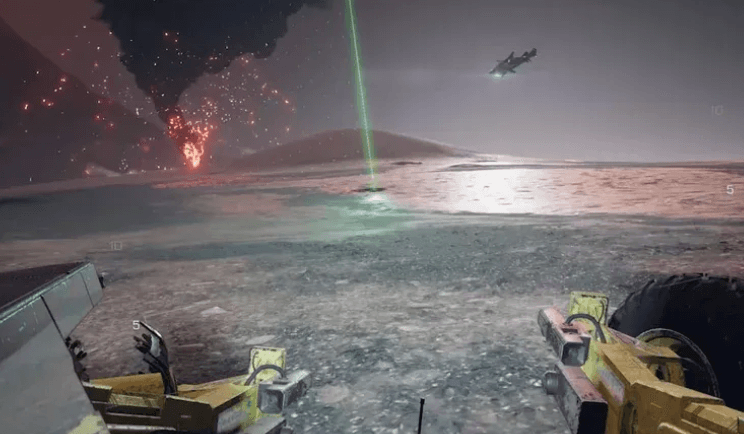
For something that sits between Warzone's sprawl and traditional multiplayer's claustrophobia, Skirmish in Black Ops 7 is worth a look. The 20v20 format with vehicles and the Wingsuit adds enough chaos that individual deaths feel less personal. Capturing zones with teammates means your contribution isn't measured purely in kills, which is a genuinely different dynamic from modes where your K/D is the only number that matters.
Then there's Prop Hunt, which is the mode the franchise almost undersells. The premise is straightforward: one team hides disguised as environmental objects, the other team hunts them down. You might spend a round as a bucket, a pot plant, or a bench seat. The 30-second head start before hunters begin searching is the closest Call of Duty gets to a strategic pause, and it strips away almost every mechanical advantage that separates experienced players from new ones.
Why Prop Hunt is the most underrated mode in the franchise
Prop Hunt queue times run longer than standard modes because the player pool is smaller. That's the one real downside. Once you're in, though, matches tend to roll continuously with the same group, so a single queue gets you multiple rounds without waiting again.
What makes it work for less experienced players isn't just the lower mechanical ceiling. The mode generates a completely different kind of tension. Getting spotted as a misplaced bucket in the wrong corner of a room produces a specific brand of panic that TDM simply cannot replicate. It's also one of the few Call of Duty modes that plays well with younger family members who aren't ready for standard multiplayer, since the violence is minimal and the laughs are frequent.
Zombies fills a similar role for players who prefer PvE. The cooperative structure means your teammates are working with you rather than measuring themselves against you, and the mode has enough depth to hold attention across multiple sessions without requiring peak mechanical skill to enjoy.
The bigger picture for Call of Duty in 2026
Call of Duty: Modern Warfare 4 is reportedly in development, and every new entry brings a brief window where lobbies are more balanced simply because everyone is starting fresh. That window closes fast as the dedicated players level up and optimize, but for a few weeks after launch, standard multiplayer becomes genuinely playable for a wider audience.
The franchise has quietly built one of the most diverse mode libraries in shooter history. The problem is that the marketing and the cultural conversation around Call of Duty almost exclusively centers on competitive multiplayer, which makes everything else feel secondary. It isn't. For players who want to engage with the game without treating it like a second job, the Call of Duty 2 guides and the broader gaming guides available can help fill in the gaps that the game's own tutorials skip over entirely.