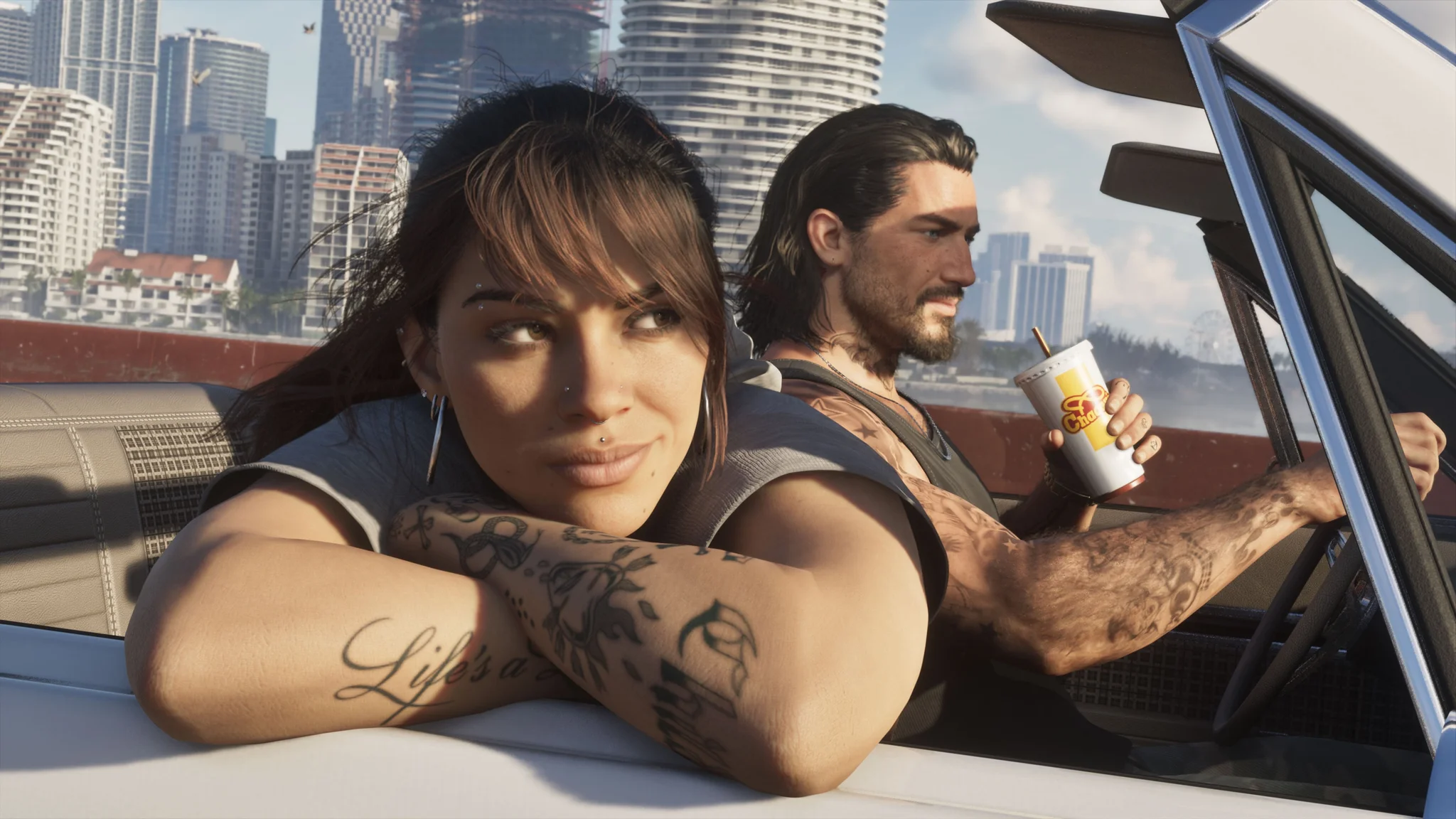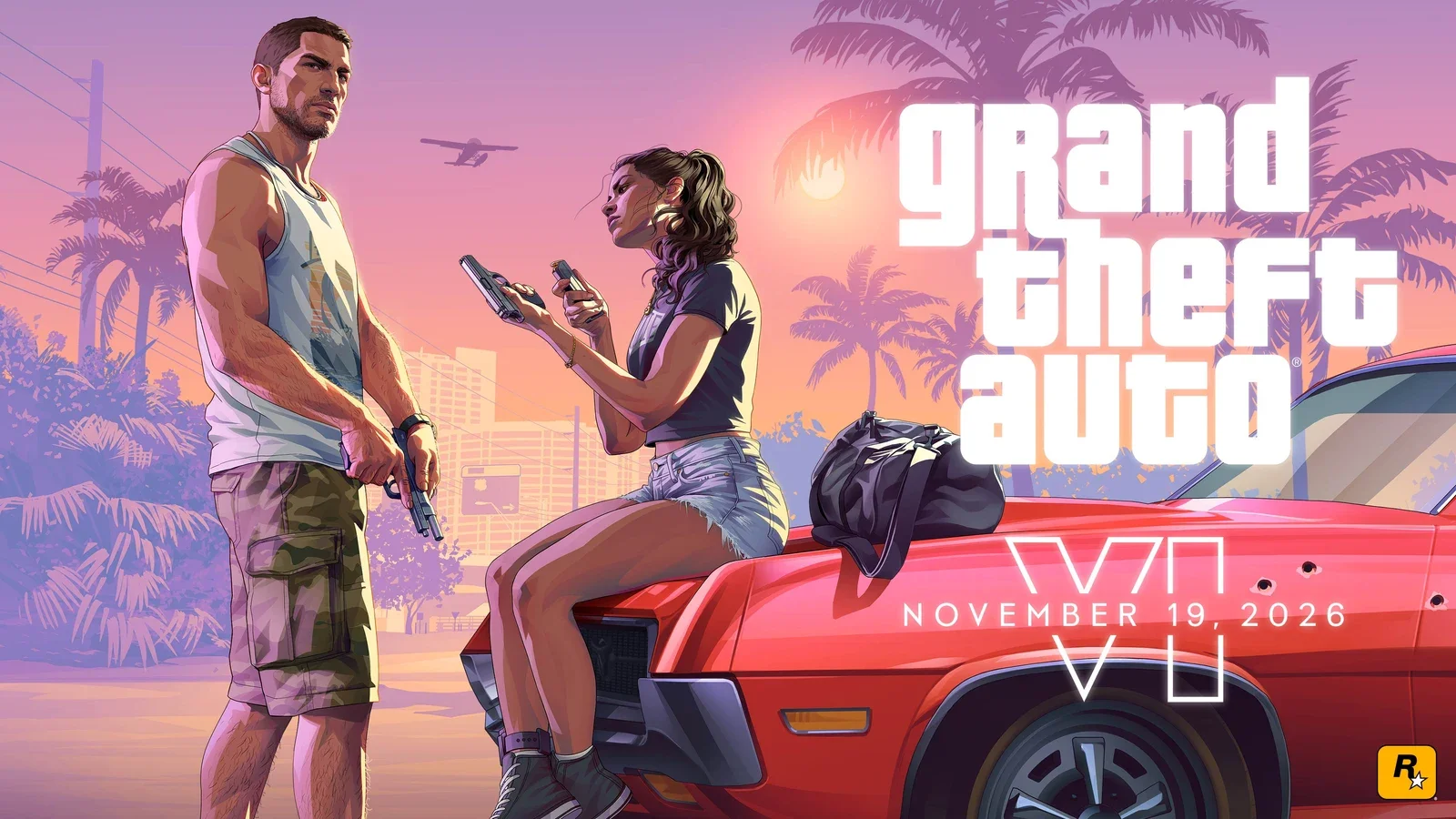

GTA VI fans are exploring a PS5-to-PC video setup that would apply Nvidia's DLSS 5 to Grand Theft Auto 6. The proposal circulating on November 5 targets a 90 fps output from a 30 fps source using frame generation.
The demonstration, however, processes the game's Extended Look trailer, released in August. It does not show Grand Theft Auto VI running through a live PS5 capture pipeline.
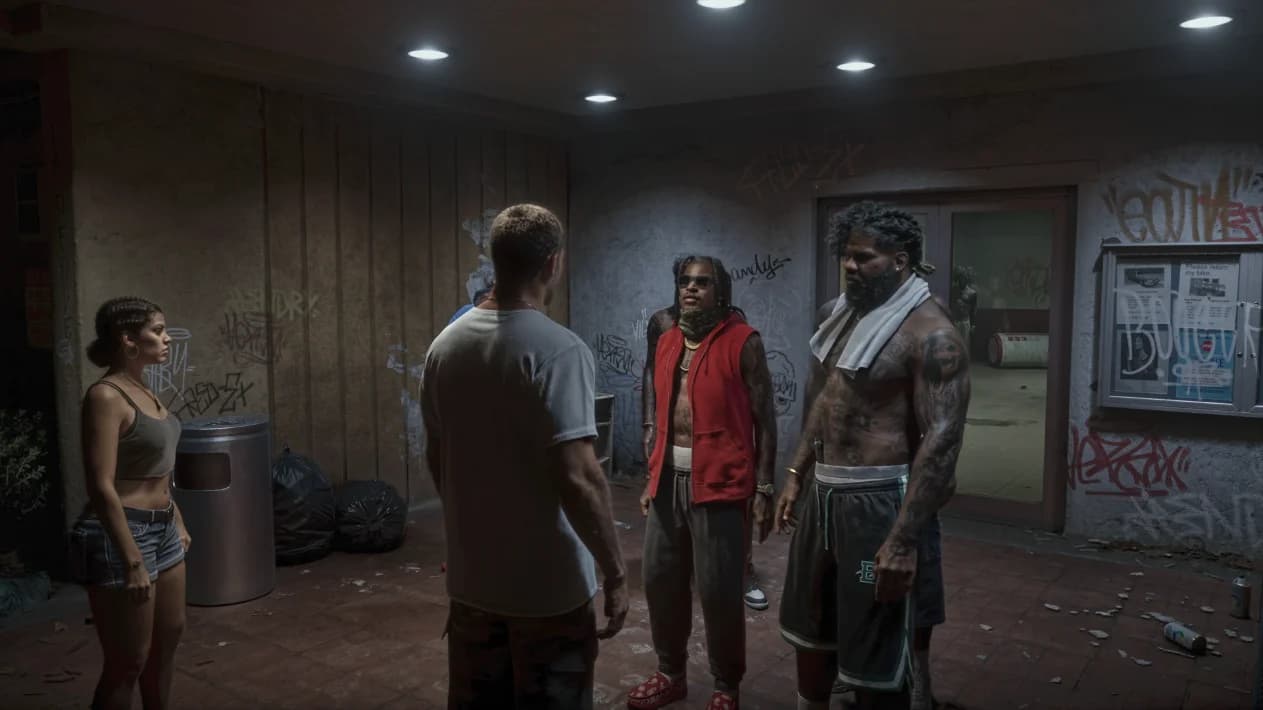
GTA VI trailer after processing
How the proposed PS5-to-PC setup works
The proposed setup uses a 4K capture card and Veyra, an open-source tool that can apply DLSS 5's AI-powered neural rendering to video. A PC graphics card processes the captured console image before sending the result to a television.
The planned signal path has three stages:
- Capture: Send the PS5's video output through a capture card to a PC.
- Process: Use Veyra to apply neural rendering and frame generation to the incoming video.
- Display: Send the processed output from the PC to a 4K TV.
The game would still run on the PS5. The PC handles its video output, so this is not a PC port or evidence of native DLSS support inside GTA VI. The generated output frame rate also does not establish that the console game itself runs at that rate.
Rockstar Games is developing the open-world crime adventure for PlayStation and Xbox. Its setting covers Vice City and the wider state of Leonida, with Jason and Lucia as its leads.


What changes in the processed trailer
The demonstration shows changes to image detail, lighting, and motion. Some background elements appear sharper, while shadows and light scattering on certain surfaces look subtler after processing.
Those changes come with compromises. Blacks appear flatter than in the original footage, leaving parts of the image looking washed out. The generated frames also introduce occasional visual artifacts and glitches.
Motion takes on an unusually smooth, soap-opera-like appearance in some scenes. Whether that presentation is preferable is separate from the technical question of whether the same processing can work comfortably during play.
A prerecorded trailer can demonstrate the visual treatment without responding to controller input. It cannot establish how the complete capture, processing, and display chain behaves during an interactive game.
Live PS5 latency remains untested
The creator does not have a capture card and has not tested the full setup with an actual PS5 signal.
PS5 Pro already offers Sony's PlayStation Spectral Super Resolution. Using the proposed PC route would add a separate image-processing stage to that console's existing upscaling technology.
The remaining practical test is a live PS5 feed with the complete hardware chain connected. Until then, the demonstration establishes what Veyra can do to GTA VI trailer footage, not how responsive the proposed setup is during play.