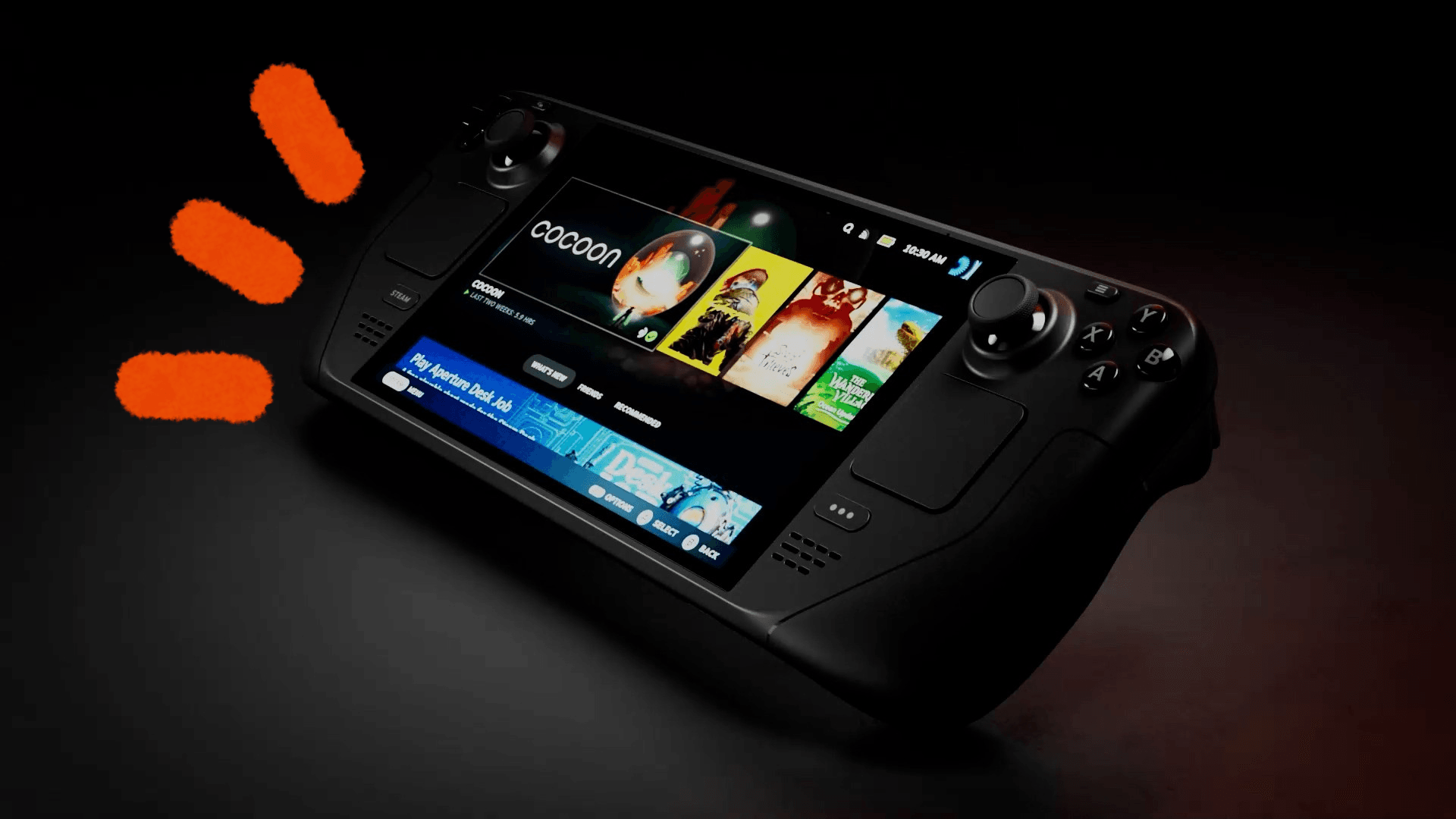


Steam Deck stock has become unreliable across several regions, and Valve has confirmed the disruptions will persist. The company updated its store page to explain that the shortages stem from tight global supply of memory and storage components — the same parts used across consumer computing hardware.
The store notice warns that the OLED model may go out of stock without warning, depending on where you're shopping. The LCD 256GB version has been discontinued entirely. Once the remaining units sell through, that model is gone for good. Valve hasn't said when restocks will happen or whether prices might change.
The handheld went from readily available to sporadically scarce in a matter of months. Buyers have been reporting empty product pages and waitlists where none existed before.

Use code TRYHARD33 at checkout to redeem this offer before code expires again.
Get 33% Off GAMES+ Subscription
AI infrastructure is eating the component supply
The Steam Deck shortage is part of a larger shift in how memory and storage get allocated. Tech companies are pouring resources into AI data centers and high-performance compute clusters, and those projects consume massive quantities of the same components that go into gaming handhelds, laptops, and desktops. The result: less supply for consumer electronics, higher costs, and longer production timelines.
Products that rely on affordable memory configurations — portable gaming devices, budget PCs, and similar hardware — are getting squeezed the hardest. Manufacturers are competing for components that used to be plentiful and cheap.
The gaming hardware market is now directly affected by decisions made in AI infrastructure planning. That connection is reshaping production priorities and destabilizing pricing across the industry.
Console makers are adjusting plans
Valve isn't alone. Sony is reportedly rethinking its long-term console roadmap in light of component availability. Nintendo faces rising costs that could push hardware prices higher. Both companies are navigating the same supply constraints that are hitting the Steam Deck.
Developers are responding too. Some studios are prioritizing PC optimization work to ensure games run on systems with lower memory specs. The goal is to avoid forcing players into expensive upgrades just to meet baseline requirements. That's a direct reaction to the tightening component market.
Supply chain pressure is influencing both hardware manufacturing and the way games are built. The knock-on effects are spreading across the industry.
Upcoming hardware projects delayed
The component shortage is also delaying unannounced products. Valve had been expected to reveal additional PC gaming hardware aimed at living room setups, but those plans have been pushed back. The company is reassessing component sourcing before committing to new timelines.
Valve, the studio behind Half-Life, hasn't said when it will finalize new hardware announcements. Like the Steam Deck itself, future products depend on whether memory and storage supply stabilizes.
What this means for buyers
Steam Deck availability is now unpredictable. Restocks will happen when components become available, not on a fixed schedule. The handheld's supply situation reflects a global rebalancing of computing resources, driven by AI infrastructure expansion.
The bigger picture for gaming hardware
This isn't a temporary blip. As long as AI infrastructure projects continue to absorb memory and storage at scale, consumer electronics manufacturers will face ongoing constraints. Gaming hardware is caught in the middle of that shift.
For the gaming industry, the lesson is clear: global computing demand now directly shapes what gets made, when it ships, and how much it costs. The Steam Deck shortage is one symptom of a much larger realignment.
Make sure to check out our articles about top games to play in 2026:
Best Nintendo Switch Games for 2026
Best First-Person Shooters for 2026
Best PlayStation Indie Games for 2026
Best Multiplayer Games for 2026
Most Anticipated Games of 2026
Top Game Releases for January 2026
Frequently Asked Questions (FAQs)
Why is the Steam Deck out of stock in many regions?
Memory and storage component shortages are the main cause. AI infrastructure projects are consuming massive quantities of the same parts used in consumer electronics, leaving less supply for gaming hardware manufacturers.
When will the Steam Deck be back in stock?
Valve hasn't given a restock date. Availability will fluctuate by region and depends entirely on component supply, which remains unpredictable.
Is the Steam Deck LCD discontinued?
Yes. The LCD 256GB model is no longer in production. Once current inventory is gone, it's gone permanently.
Will the Steam Deck price increase?
Valve hasn't announced price changes. Component shortages could force pricing adjustments across the industry, but nothing is confirmed yet.
Are other gaming devices affected by the same shortage?
Yes. Console makers and other hardware manufacturers are dealing with the same memory supply constraints. Production schedules and pricing strategies are being adjusted industry-wide.
How is AI affecting gaming hardware supply?
AI data centers require enormous amounts of memory and storage. That demand is pulling components away from consumer electronics manufacturing, reducing availability for gaming devices and driving up costs.