

A legal challenge has emerged against Valve in the United Kingdom, with the company facing a lawsuit centered on music rights tied to games it did not develop and does not own. The case puts the spotlight on the question of how much responsibility a digital storefront operator bears for the content sold through its platform.

Use code TRYHARD33 at checkout to redeem this offer before code expires again.
Get 33% Off GAMES+ Subscription
The Core of the Dispute
The lawsuit targets Valve as the operator of Steam, the dominant PC gaming platform, despite the company's role being that of a distributor rather than a developer or publisher of the titles at the center of the claim. The music rights in question belong to third-party games sold through the Steam storefront, where Valve collects a revenue share but holds no creative ownership over the underlying content.
Here's the thing: this is a relatively novel legal argument. Typically, intellectual property disputes over music licensing in games are directed at the developers or publishers who cleared, or failed to clear, the relevant rights. Targeting a platform holder for content it did not create pushes the boundaries of how courts interpret distributor liability in the digital age.
What This Means for Platform Holders
The case raises a significant question for the games industry: should a platform operator be held legally accountable for intellectual property violations embedded within software it merely hosts and sells?
Valve takes a standard revenue cut from sales on Steam, typically around 30 percent for most titles, but it does not review or audit the music licensing arrangements of every game submitted through its platform. The Steam catalog contains hundreds of thousands of titles, making comprehensive rights verification an enormous operational challenge.
What most players miss is that music licensing in games is already a notoriously complicated area. Developers must secure synchronization licenses, master recording rights, and sometimes performance rights depending on how music is used. Gaps in this process are not uncommon, particularly among smaller independent studios.
- Synchronization rights cover music paired with visual content
- Master recording rights apply to the specific recorded version of a song
- Performance rights can apply when music is broadcast or streamed in certain contexts
If Valve is found liable for licensing failures in games it did not produce, platform operators across the industry may be forced to implement far stricter content auditing processes before allowing titles to go live.
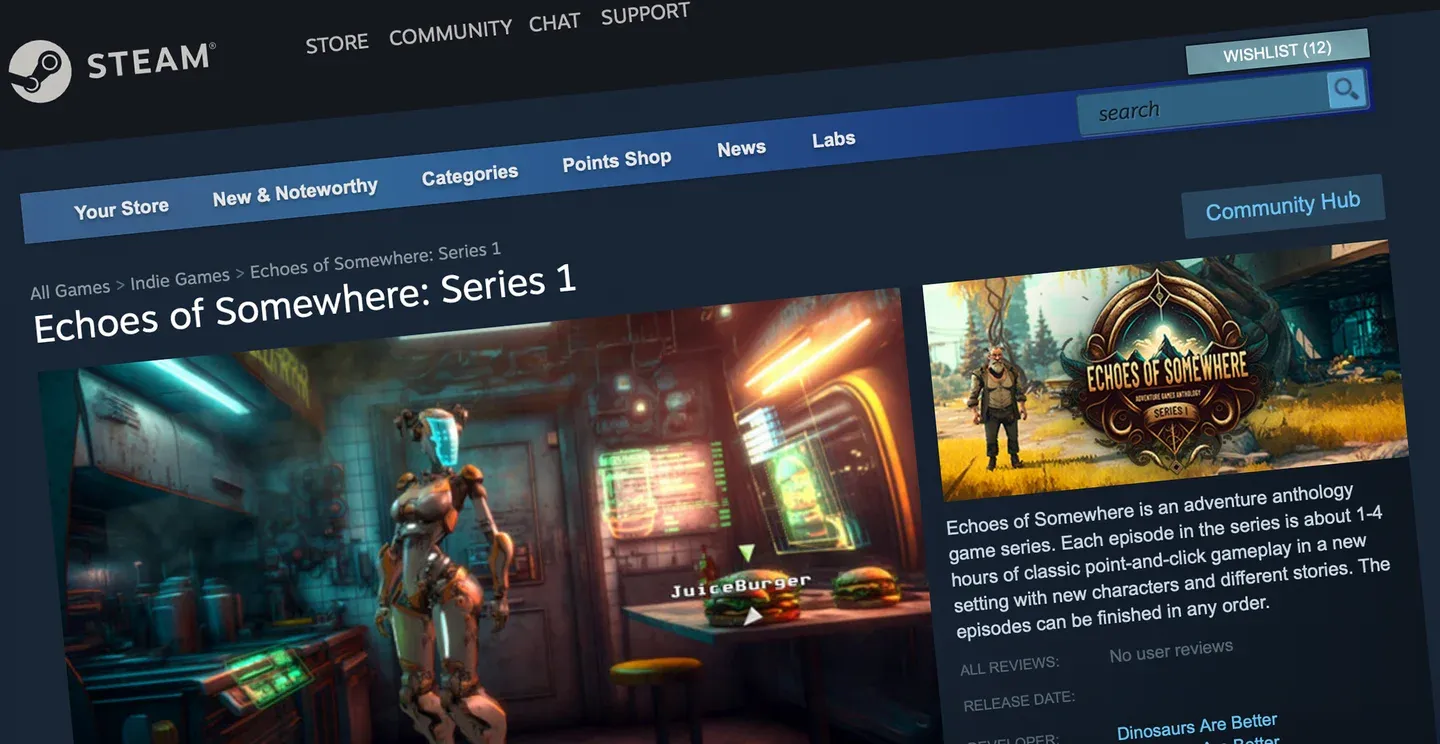
Steam's developer submission portal
Platform Liability in a Growing Digital Marketplace
The key here is understanding how digital distribution has shifted legal responsibility in ways the industry is still working through. Physical retail distributors historically faced limited liability for the content of products they stocked. Digital platforms, however, operate differently. They provide infrastructure, payment processing, and ongoing hosting, which could be interpreted as a more active role in the distribution chain.
Valve has faced legal scrutiny in various markets before, including consumer protection challenges in Australia and Europe over refund policies. A ruling on music rights liability, however, would mark a distinct escalation, touching intellectual property law in a way that could redefine platform obligations globally.
The outcome of this UK case will be closely watched by legal teams at every major platform operator. You'll want to keep an eye on how Valve responds to the suit and whether it seeks to bring the original developers of the disputed titles into the proceedings.
Context and Background
Music licensing disputes in gaming have grown more visible in recent years. Several high-profile titles have had music tracks removed post-launch when licenses expired, including games in the FIFA series and various rhythm titles. These situations typically result in patches that swap out unlicensed audio, but they demonstrate how frequently music rights are improperly managed at the development level.
For Steam specifically, the platform's open submission model through Steam Direct allows developers to publish titles with relatively minimal gatekeeping, which critics argue creates conditions where licensing violations can slip through undetected.
Pro tip: developers publishing on any digital storefront should maintain thorough documentation of every music license secured during production, including expiration dates and territorial restrictions, to avoid exactly this kind of downstream legal exposure.
Source: Gamesindustry Biz
Make sure to check out our articles about top games to play in 2026:
Best Nintendo Switch Games for 2026
Best First-Person Shooters for 2026
Best PlayStation Indie Games for 2026
Best Multiplayer Games for 2026
Most Anticipated Games of 2026
Top Game Releases for January 2026
Frequently Asked Questions (FAQs)
Why is Valve being sued over music in games it didn't make?
The lawsuit appears to argue that as the distributor and platform operator profiting from sales of the games in question, Valve holds some degree of responsibility for ensuring the content sold through Steam does not infringe on music rights, even if the company had no role in developing those games.
Could this lawsuit affect games currently on Steam?
Depending on the outcome, Valve could be compelled to remove or restrict access to titles found to contain unlicensed music. More broadly, a ruling against Valve might lead to stricter submission requirements for all developers seeking to publish on the platform.
What happens to games when music licenses expire or are disputed?
Developers typically issue patches that replace affected tracks with licensed or original music. In some cases, titles are temporarily delisted from storefronts until the rights situation is resolved.