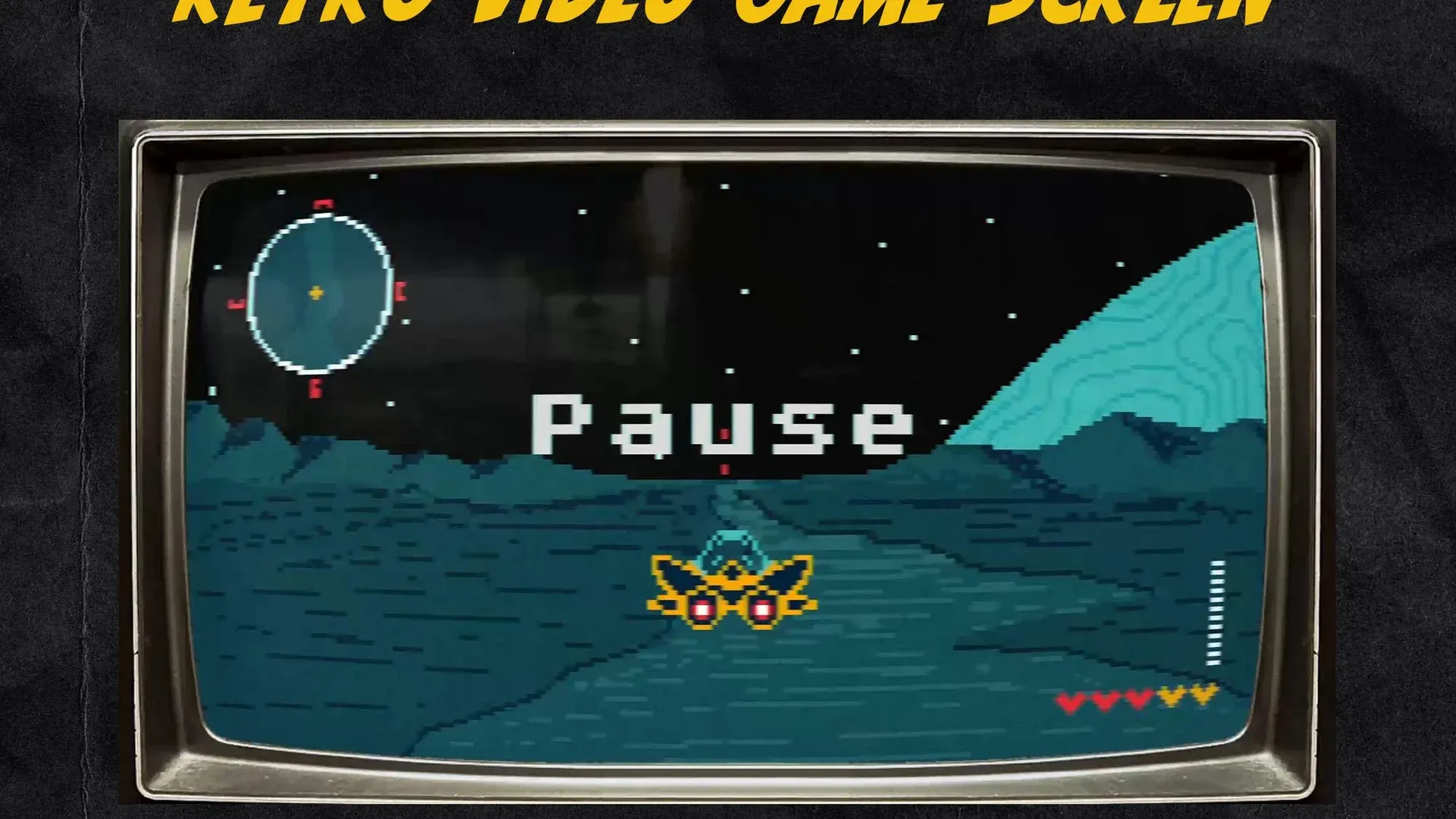

Picture this: you're mid-boss fight, something goes wrong in real life, and you slam the pause button. The world freezes. Your character hangs in the air. Everything stops. Simple, right?
Not even close.
Developers across the industry have been speaking up about what actually happens when a player hits pause, and the technical reality behind that frozen frame is genuinely fascinating. The key here is that "pausing" a game is never one thing. It's a collection of systems, each one needing to be individually told to stop, and each one capable of quietly refusing.
What the pause button is actually telling the game
When you pause, the game doesn't just... stop. What typically happens is the engine halts its update loop for gameplay systems like physics, AI, and player input, while keeping other systems running. The audio engine might stay active. The rendering pipeline keeps drawing frames. UI animations continue. Some particle effects freeze mid-air; others don't, depending on how they were coded.
Timers are where things get especially strange. If a game tracks cooldowns or status effects using the system clock rather than an internal game timer, pausing does nothing to them. They keep ticking. Several developers have noted on social media and in postmortems that this is a surprisingly common bug source, where a poison debuff or a cooldown expires during a cutscene or pause because it was tied to wall-clock time instead of game-time.
The distinction between "game time" and "real time" is something players rarely think about, but it's a design decision with real consequences.
When pausing gets genuinely weird
Multiplayer games add a whole other layer of complexity. You can't pause a shared simulation, so many online games simply don't allow it, or they fake it with a local overlay that hides the action without actually stopping anything server-side. What looks like a pause to you is just a menu sitting on top of a game that's still running.
info
Some games use "bullet time" or slow-motion systems built on the same architecture as pause, just dialed to a fraction of normal speed rather than zero. This is why some abilities that interact with time can produce unexpected behavior when stacked.
Single-player games have more freedom, but even they run into edge cases. Physics objects mid-collision present a classic problem: freeze the simulation at the wrong frame and objects can clip through each other or launch into the air when unpaused. Some engines solve this by completing the current physics step before accepting a pause input, which means there's a tiny, imperceptible delay between pressing pause and the world actually stopping.
Cinematic sequences are another headache. Many developers hardcode certain scenes as "unpauseable" because the animation and audio systems aren't designed to hold a frame cleanly. Forcing a pause mid-cutscene can desync lip animations from dialogue, or leave characters frozen in awkward mid-expression poses that break the intended tone entirely.
Why this conversation matters to players right now
The reason this technical discussion has picked up steam recently is partly accessibility. More players are asking for pause features in games that traditionally don't have them, particularly in action games and soulslikes. Developers responding to those requests have had to explain publicly why implementing pause isn't always a quick toggle, which has pulled back the curtain on systems most players never think about.
The conversation also touches on game preservation. Emulators and save-state tools that allow pausing at arbitrary moments can expose these same edge cases, sometimes producing glitches that speedrunners have turned into tricks. What's a bug in normal play becomes a tool when you understand the underlying system well enough.
Here's the thing: the pause button is one of the oldest affordances in gaming, something players have taken for granted since the Atari era. The fact that it's still technically complex in 2026 says a lot about how much is happening beneath the surface of even a simple gaming session. For deeper reads on how game systems shape the player experience, check out the latest gaming coverage at games.gg/reviews for more context on how design decisions play out in practice. Make sure to check out more: