Wednesday marks the launch of the SOPH token by Sophon, a Layer 2 network positioning itself as "the OS for crypto-power consumer experiences." The debut is drawing attention as a test case for how new chains can build early momentum. Sophon's approach echoes strategies seen in other recent L2 launches, particularly Abstract, which has also emphasized consumer-first infrastructure for decentralized applications.
Sophon Reveals Key Details on SOPH Token
Idle games as traction engines
Gaming has become a go-to strategy for new L2 chains trying to attract users and liquidity fast. Sophon just announced 2 idle games: Hedge Empire, where players manage and grow financial funds on-chain, and Angelic Kingdom, a role-playing game that uses Soulbound Tokens (SBTs) for progression. Angelic Kingdom also has advisory backing from Inhuman, suggesting a more structured approach to its mechanics.
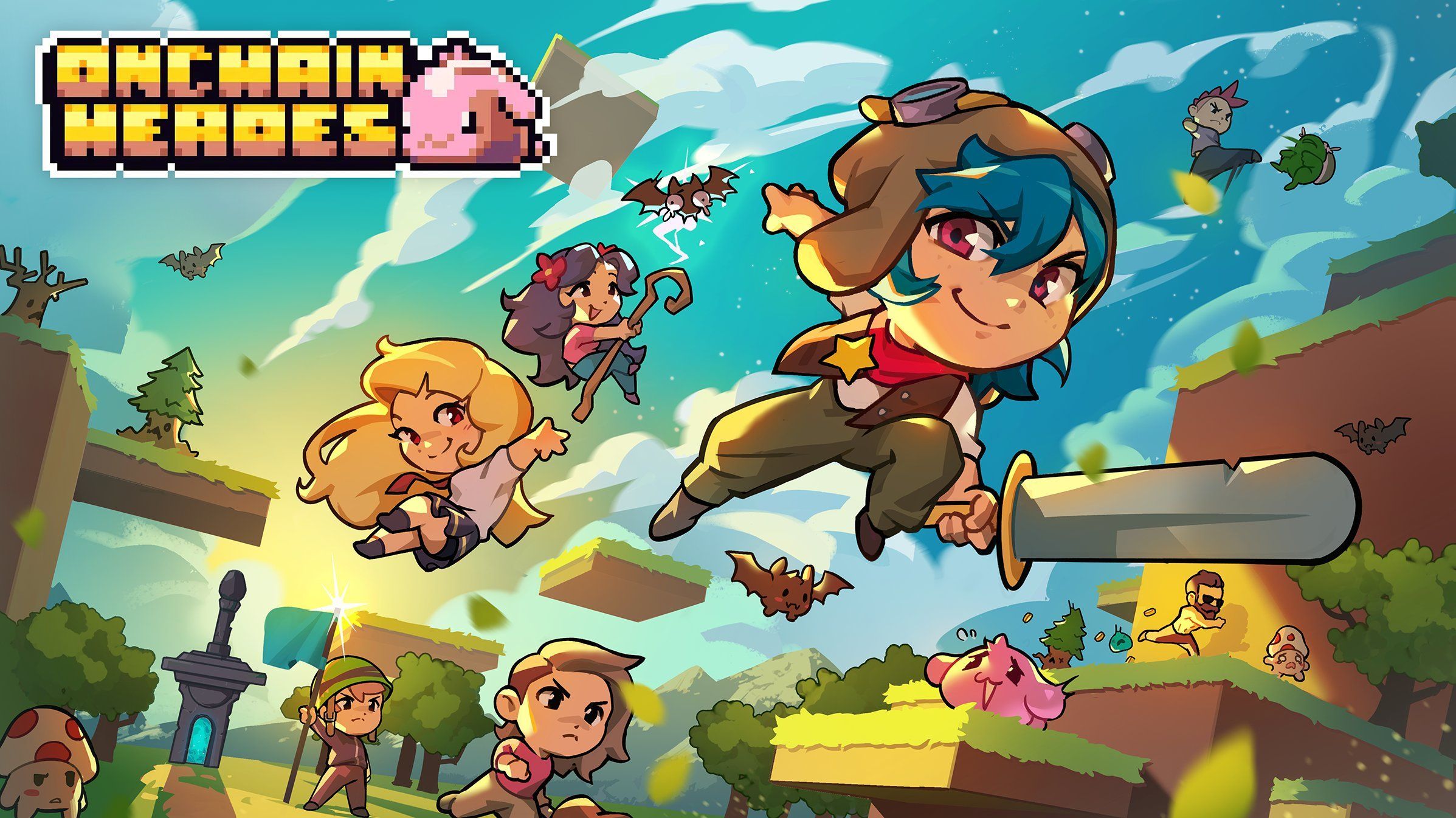
This mirrors what happened with Onchain Heroes (OCH) on Abstract. OCH drove a huge chunk of early activity and volume on that chain, proving that simple idle games with high engagement loops can be surprisingly effective at bootstrapping new platforms. The formula is straightforward: low barrier to entry, addictive mechanics, and enough incentive to keep users coming back.

Sophon Reveals Key Details on SOPH Token

Ponzi mechanics wrapped in game loops
The success of OCH and similar genres of games suggests that ponzi-like idle games might be the new playbook for L2 chains trying to build momentum. These apps take DeFi elements and wrap them in accessible, game-like interfaces. They appeal to users who wouldn't normally touch complex financial products but are drawn in by entertaining loops and the promise of rewards.
In a market where transaction volume equals attention, these games do more than entertain. They function as user acquisition tools that drive participation and liquidity. In 2025, "casual degen" games—blockchain games with light speculative elements—have proven especially effective at generating early traction. The question is whether that traction translates into anything lasting.
Abstract Games
Secondary incentives and sustainability concerns
Secondary incentive structures like Abstract XP have added another layer of engagement and speculation. These systems reward continued interaction and amplify the effectiveness of game-based models. But there are real questions about long-term viability and ethics. Past controversies, including those around Bigcoin, have shown that these models can raise concerns about transparency and sustainability.
From a user perspective, getting in early on these ecosystems can be advantageous, especially when games are among the first to launch on a new chain. But the broader implications—user retention, real utility, sustainable growth—remain unresolved. Developers and communities will need to address these issues if they want to build something that lasts beyond the initial hype cycle.
Final Thoughts
The launch of the Sophon SOPH token and the rollout of Hedge Empire and Angelic Kingdom highlight a clear trend in web3: L2 networks are using ponzi-like idle games as early-stage traction tools. These models generate short-term engagement effectively, but whether they can support long-term ecosystems is still an open question. How chains balance user acquisition with sustainability will define the next phase of this space.