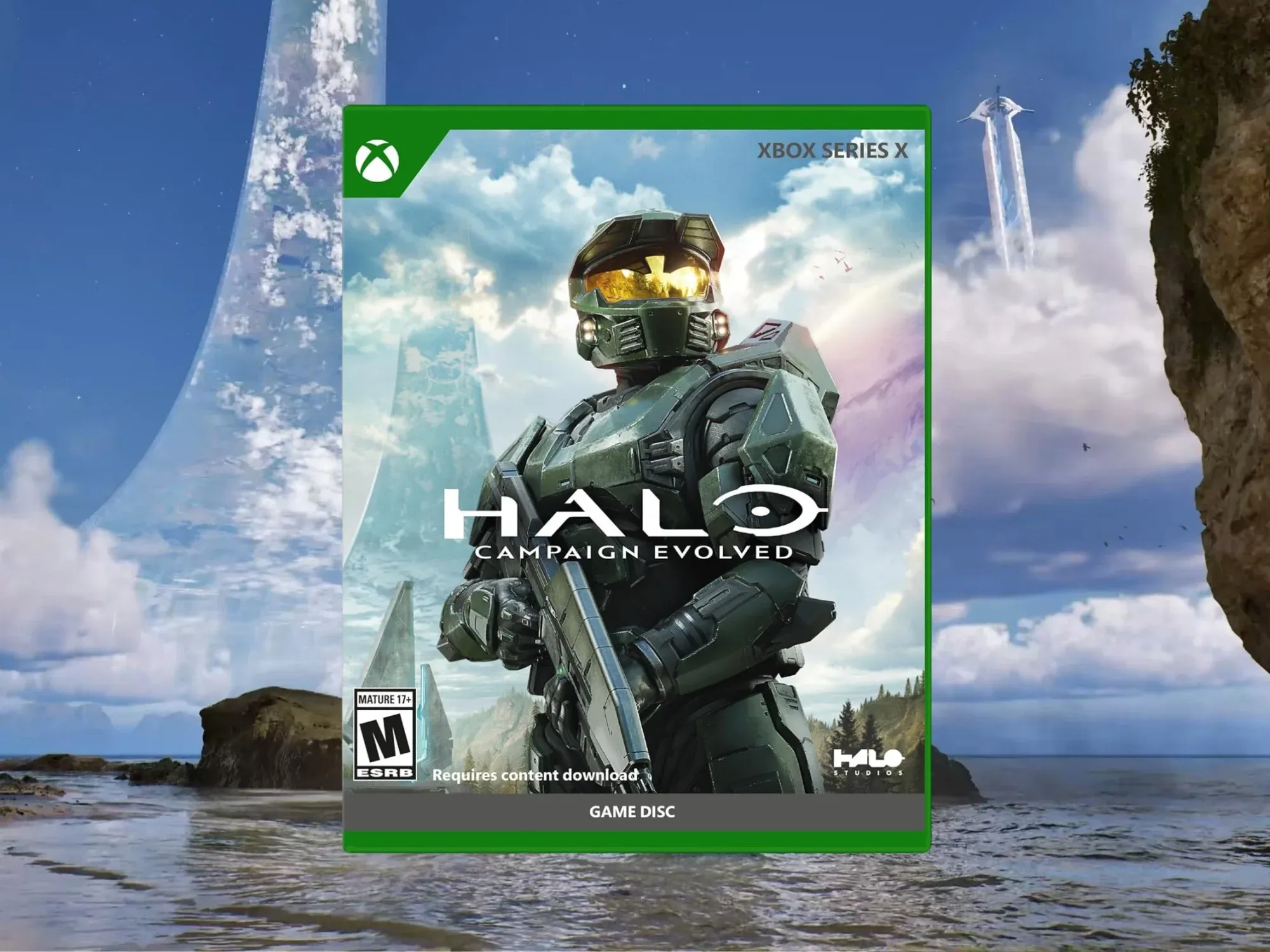

If you've been watching Halo slowly drift from its former status as Xbox's flagship franchise, this rumor is going to hit differently.
Jez Corden of Windows Central floated a striking idea on the Xbox Two podcast this week: that Microsoft may be considering placing the Halo franchise under Activision oversight. Corden was careful to frame it as something he doesn't fully believe right now, but the fact that he's heard it at all says something about the kind of structural rethinking happening inside Xbox. "I heard a crazy rumor that they might put Halo under Activision," he said. “If it does happen, you heard it here first.”

Use code TRYHARD33 at checkout to redeem this offer before code expires again.
Get 33% Off GAMES+ Subscription
The problem Xbox is actually trying to solve
Here's the thing: this isn't really a story about Activision. It's a story about Microsoft losing confidence in how Halo has been managed for years.
Xbox CEO Asha Sharma has apparently been transparent internally that Halo is "in the crosshairs" as a franchise Microsoft wants to fix. That's a frank admission for one of gaming's most recognizable IPs. The series that defined Xbox's identity through the original trilogy has spent the better part of a decade failing to recapture that momentum, and Microsoft clearly knows it.
The cancellation of the unannounced Halo multiplayer project codenamed Project Ekur earlier this week adds more weight to that picture. Halo Studios isn't delivering at the pace or quality Microsoft needs, and leadership is now openly asking what a better structure looks like.
Why Activision keeps coming up as a reference point
Corden's comments suggest Microsoft has been studying how Activision Blizzard manages its own franchises. The logic isn't hard to follow. Call of Duty releases on a reliable annual cadence with multiple studios rotating on the series. Blizzard maintains distinct franchise ecosystems with spin-offs, seasonal content, and long-term player retention strategies that Halo has never consistently matched.
"They are looking at the way Activision does things a lot," Corden explained. "Halo could function like the Blizzard franchise."
The Blizzard comparison is particularly telling. Blizzard franchises tend to expand outward rather than rely solely on mainline sequels, something Halo has struggled to do despite obvious opportunities in its lore and universe.
What outside studio involvement could look like
Corden also raised the possibility of Halo games being developed outside of Halo Studios entirely. He specifically mentioned id Software as an example of a studio that could potentially contribute to the franchise. That's a genuinely interesting idea. id Software's technical pedigree with first-person shooters is hard to argue with, and a Halo project built on that kind of engine expertise could look very different from what the series has produced recently.
The broader implication is that Microsoft may be moving toward a multi-studio model for Halo, similar to how Activision handles Call of Duty. Multiple teams, multiple projects, consistent output. Whether that produces better Halo games or just more of them is the real question.
What this means for Halo fans right now
The short answer is: nothing confirmed yet. But the direction of travel is clear. Microsoft is not satisfied with Halo's current trajectory, and the people making decisions are actively exploring options that would have seemed unthinkable a few years ago, including handing the keys to a publisher best known for annual Call of Duty releases.
What most players miss in this conversation is that Halo's problem isn't just game quality. It's output volume, franchise expansion, and the kind of ecosystem building that keeps players engaged between major releases. Activision, whatever its faults, knows how to keep a shooter franchise commercially active.
The coming months should clarify whether any of this moves beyond the rumor stage. Microsoft's broader Xbox restructuring is still playing out, and how it positions Blizzard's franchises in the near term may well serve as the preview for what Halo's future structure actually looks like.
For more gaming coverage and gaming guides as this story develops, keep an eye on what Xbox announces around its studio structure through the rest of the year.