
"After an all time low, we've started to return to growth, more than two to three times what we were, and we expect that to continue."
That's Asha Sharma, Xbox CEO, speaking to staff at an internal town hall held this Tuesday. It's a striking admission that things got genuinely bad, paired with what sounds like a real shift in momentum. The message was direct: the old strategy failed, the reset is working, and Xbox is building again.

Use code TRYHARD33 at checkout to redeem this offer before code expires again.
Get 33% Off GAMES+ Subscription
How bad did it actually get
Pretty bad, by Sharma's own account. At the start of this year, Xbox was declining across hours spent, player counts, and revenue simultaneously. She described the previous Game Pass strategy as sending the business into "freefall" financial declines. That's not softened corporate language, that's a CEO telling her own employees the company was in serious trouble.
The studio restructuring that's been playing out over the past few months makes a lot more sense in that context. Since July, Microsoft enacted sweeping layoffs across the Xbox business, initially cutting around 1,600 roles. A second wave followed last month, adding another 268 layoffs. Studios were reshuffled wholesale: Rare, World's Edge, and the Halo franchise moved under Activision, Obsidian Entertainment folded into Bethesda, and Turn 10 and Playground Games merged. Ninja Theory is facing closure entirely.
That's a lot of pain absorbed in a short window. The question was always whether it would translate into actual results.
What's actually driving the turnaround
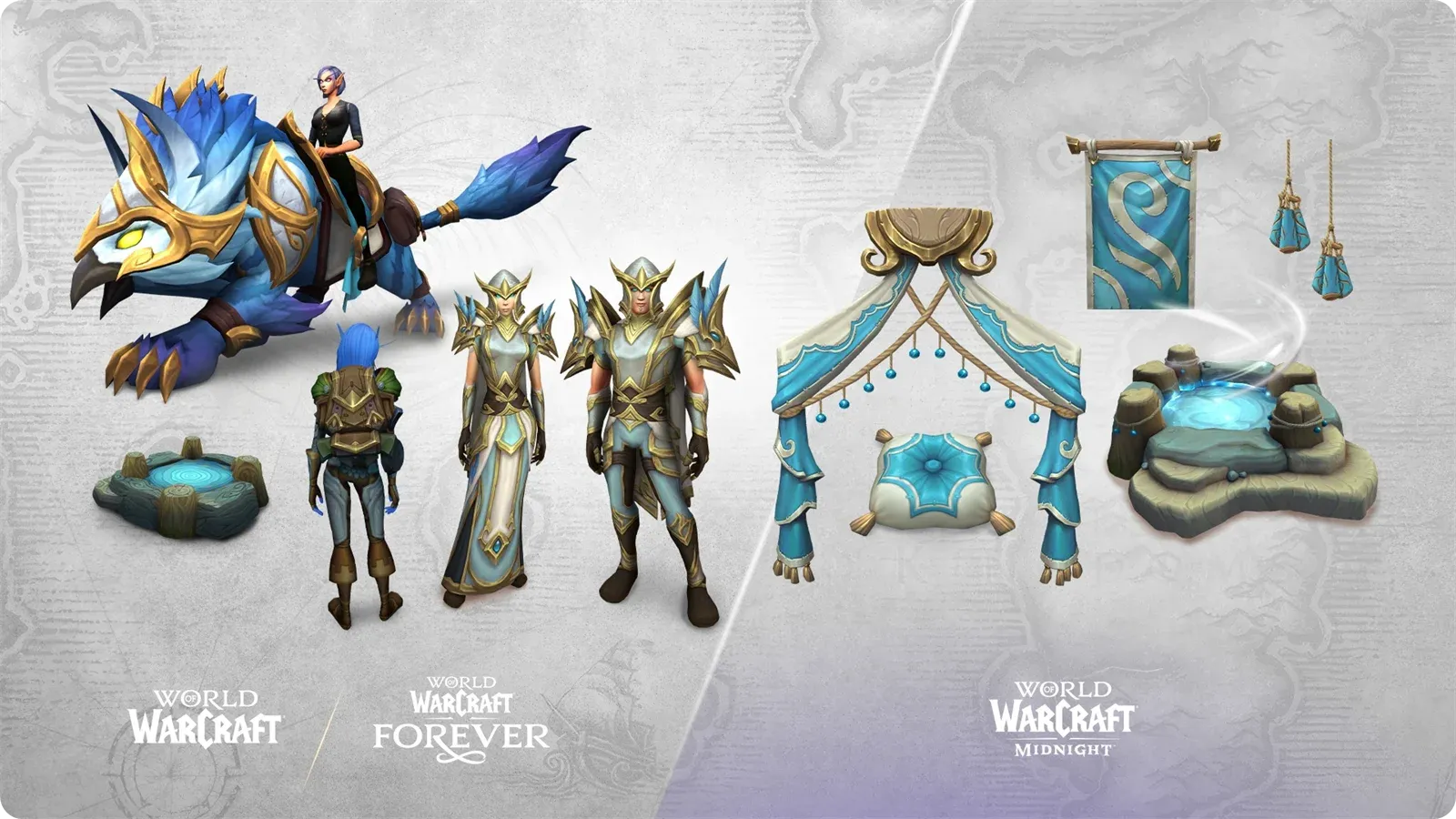
Sharp credited three titles specifically: Gears of War: E-Day, Minecraft Dungeons 2, and World of Warcraft Forever. All three reportedly had "strong" starts, though exact player numbers haven't been confirmed publicly. If you're wondering whether Gears of War: E-Day landed on Game Pass, here's the full breakdown of which tiers get access and what edition you receive.
Beyond individual titles, Sharma pointed to a 30% increase in positive brand sentiment over the past year. That's a meaningful shift for a platform that spent much of 2025 absorbing bad headlines about closures and layoffs. Hours spent have stabilised, which is the metric that matters most for a subscription-first business.
Game Pass strategy is changing too
The town hall wasn't just about celebrating early wins. Sharma signalled that Game Pass itself may become more "flexible for more players" going forward, which suggests Microsoft is reconsidering the subscription's structure or pricing tiers. The old approach, which she directly blamed for the revenue freefall, is being replaced with something that hasn't been fully defined yet publicly.
Her framing of Xbox's purpose was also notably different from the platform-hardware messaging of previous years. "We exist to be where the world plays," she said, setting a target of one billion daily active players as the benchmark for success. That's a software and services ambition, not a console sales ambition.
The reset isn't finished yet
Here's the thing: a town hall message about early green shoots is not the same as a full recovery. The layoffs are still fresh, studios are still reorganising, and the Game Pass pivot is still taking shape. Sharma is telling staff the plan is working, which is partly morale management and partly genuine data.
The next few months will be the real test. If the titles Sharma cited hold their player counts and Game Pass finds a more sustainable model, the reset will look prescient. If the momentum stalls, the structural damage from two rounds of layoffs will be much harder to walk back.
For players, the most visible sign of Xbox's health will simply be whether first-party releases keep landing with the frequency and quality that Sharma is promising. You can keep up with everything Xbox-related, from settings optimisation to Game Pass availability, across our gaming guides hub as the platform's new slate takes shape.