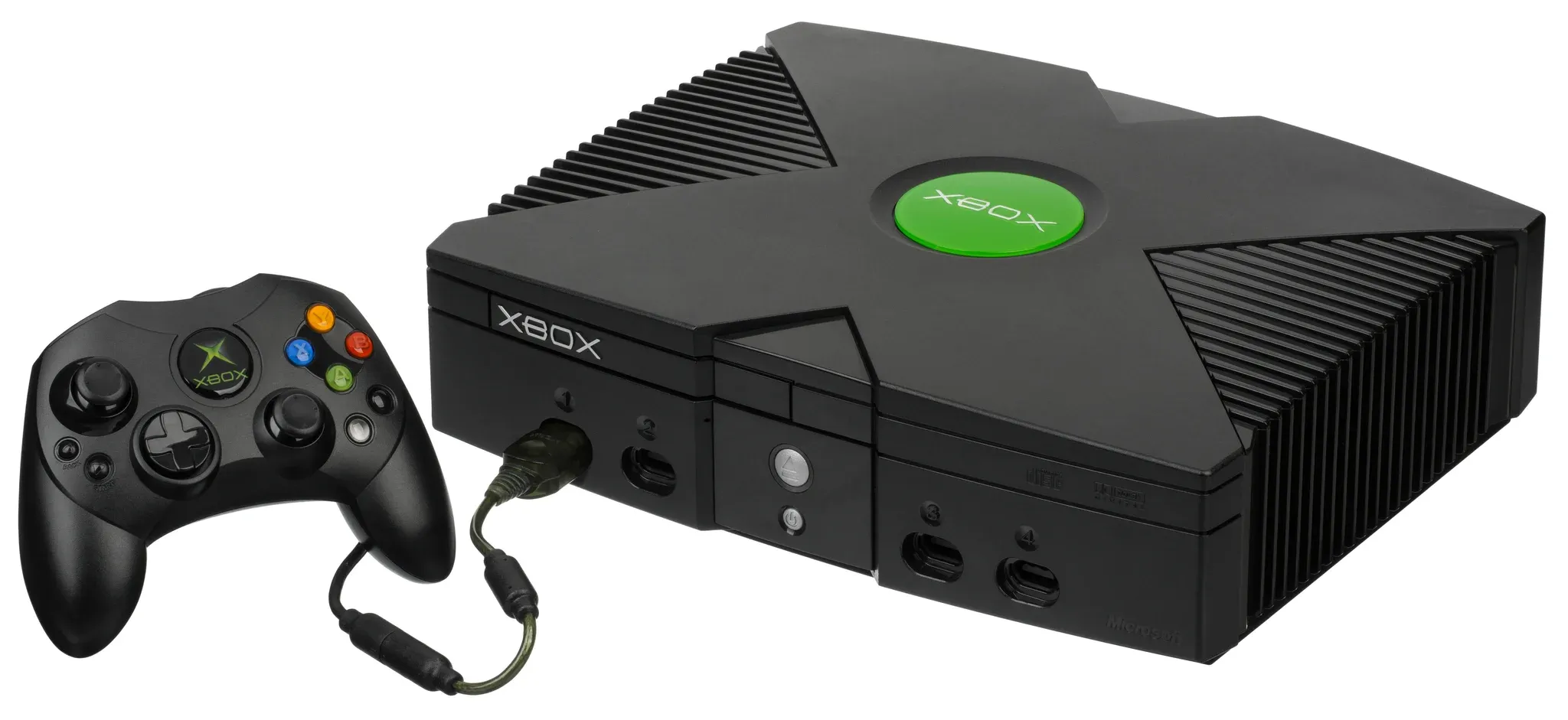

The gaming industry has shed thousands of jobs over the past two years. Studios have been shuttered mid-project. Developers with decades of experience are describing a jobs market that feels like a coin flip. And yet, Ed Fries, the executive who helped build the original Xbox and ran Microsoft Game Studios as vice president until 2004, sat down with The Expansion Pass podcast host Luke Lohr on April 8 and said the people calling this a decline have it wrong.
"It's just not true," Fries told Lohr flatly.
What Fries is actually pointing to
Here's the lowdown: Fries is not dismissing the pain. He's disputing the diagnosis. His argument rests on a specific data point, that PC gaming was the largest growing segment of the games business last year, and a longer trend line showing the industry has grown at roughly 5% year-over-year for more than a decade.
"Here we are, 25 years later from the original Xbox release, and the potential for games is still huge. The potential for growth is still huge," he said.
His framing is historical. Fries joined Microsoft in 1986 to work on Office software, three years after the 1983 video game crash, and spent the next decade-plus watching the medium go from near-dead to dominant before helping launch Xbox in 2001. From that vantage point, the current chaos looks like a cycle, not a collapse.
"There's like this pendulum that swings back and forth from excitement to conservatism over and over again in the game business," Fries explained. "I've seen so many of those swings of the pendulum. It's like, 'Oh, you're laying off too many people, you're canceling too many projects. OK, now you're starting too many projects.' Why can't we just go down the middle? But it just doesn't seem to work that way."
info
Fries led Microsoft's gaming division from around 2000 until his departure in 2004, overseeing the original Xbox launch and the formation of Microsoft Game Studios.
The global market argument
Fries also pointed to geography as evidence of the industry's ongoing expansion. When Xbox launched, India and China were at comparable stages of market development. Today, some of the largest publishers in the world are Chinese studios, and Fries sees India and the Middle East as the next wave.
He specifically referenced Saudi Arabia's Public Investment Fund moving to acquire a controlling stake in EA, which would give the fund ownership of roughly 93.4% of the company behind EA Sports FC and the upcoming Battlefield title. That kind of capital entering the space, Fries suggested, signals that global confidence in gaming's long-term value remains strong.
"To me, it was like the destiny of games to take over," he said.
The harder counterargument
What most players miss in conversations like this is the gap between industry-level metrics and the lived experience of the people making games. The 5% annual growth figure is real. So are the mass layoffs at Microsoft itself, which cut roughly 9,000 workers earlier this year, fewer than half of them directly at Xbox. So are the studio closures at PlayStation and elsewhere, the abandoned projects, and the developers describing a hiring market that has fundamentally changed.
Brenda Romero, whose husband John Romero co-founded id Software and designed Doom, said recently that she was present for the 1983 crash and that the current situation is "definitely crashier." That's not a fringe take. It's a perspective shared across a large portion of the developer community.
Fries is an executive who navigated the industry from the top down. His read on aggregate market data is probably accurate. His read on what it feels like to be a mid-level developer in 2026 is a different question entirely.
The key here is that both things can be true at once. The industry's total revenue can keep growing while the conditions for the people building games get significantly worse. Market size and worker stability are not the same metric, and conflating them is where the optimism starts to feel thin.
For a broader look at where gaming is heading across platforms and publishers, browse the latest gaming news to stay across the full picture as it develops. Make sure to check out more: