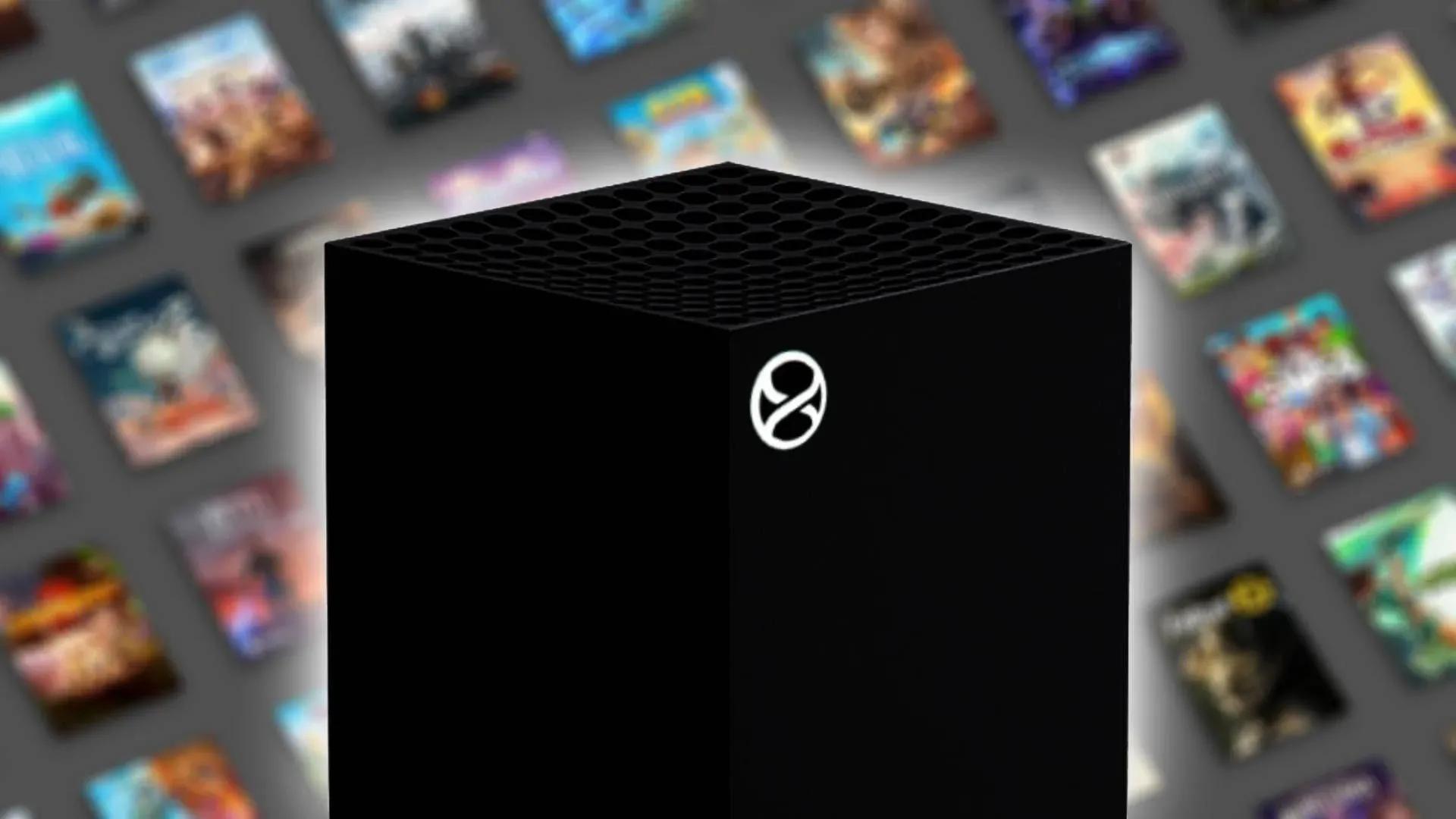

The person who helped build the original Xbox thinks the next Xbox is a snooze.
Seamus Blackley, one of the principal designers of the original Xbox, went on The Expansion Pass podcast and did not hold back about Project Helix, Microsoft's upcoming PC-console hybrid. His verdict? He doesn't know what to be excited about as a developer or as a gamer. And when pressed on why he'd rather talk about Nintendo and Valve than his own creation's successor, his response was blunt: “Are you high? Is there a gas leak over there?”
Why Nintendo hardware wins even when it loses
Here's the thing about Blackley's argument: it's not really about specs or sales numbers. It's about identity.
"Everything that comes out of Nintendo's design department is at least really interesting and cool, even when it fails," Blackley said. "Even Wii U was interesting and cool. I mean, it was a mess, but it was interesting and cool."
That's a meaningful distinction. The Wii U sold fewer than 14 million units lifetime, a number the Switch cleared in its first year. But nobody looks back at the Wii U and wonders what Nintendo was trying to do. The dual-screen concept, the GamePad, the attempt to bridge TV and handheld play , it was a clear swing with a clear vision. You could disagree with it. You couldn't be confused by it.
Project Helix, by contrast, is being pitched as a device that merges your console and PC libraries. Blackley calls that a "boring pitch" and a classic case of executives hedging their bets rather than committing to something.
The 'mushmouth' problem with Helix
Blackley's specific criticism of Project Helix cuts deeper than just "it's not exciting." He frames the whole PC-console hybrid concept as what he calls a "mushmouth" approach, where Microsoft refuses to clearly define what the product actually is.
"I think that this sort of mushmouth, 'is it a PC or is it a console' thing, is hedging the bet there too," he said on the podcast.
The contrast with Nintendo is stark. When you buy a Nintendo platform, you know exactly what you're signing up for. Blackley put it plainly: "If I buy the new Zelda, I know what I'm getting. I know that it's going to destroy my life for a week and I'm not going to be sad about it."
That clarity of purpose is something Microsoft has struggled to communicate around Helix. The device is reportedly positioned as a Steam Machine rival, which itself raises the question of why a gamer would choose Microsoft's version of that pitch over Valve's, which already has years of goodwill and a massive library behind it.
danger
Blackley has previously said on the same podcast that he is "vastly more excited" about Steam than Project Helix, citing Valve's relentless focus on games over business concerns.
The exclusives argument and executive disconnect
Blackley's broader critique of Xbox's direction ties back to the decision to abandon exclusive games. His argument is that executives who don't personally play games can't understand the emotional value of an exclusive title.
"If you've never played Wii tennis, how can you understand what an exclusive means? If you never played Halo when it was in that context, how can you make a decision about that?" he asked.
The implication is that Microsoft's move toward putting its games on PlayStation and PC reflects a kind of "executive insecurity" about the cost and risk of making games. Exclusives are expensive bets. A multiplatform strategy feels safer on a spreadsheet, even if it erodes the reason to own an Xbox in the first place.
Project Helix branding revealed
This is where Blackley's comparison to Valve becomes pointed. He notes that Valve hired the Team Fortress modders and let them build a full game, calling it an example of a company that "put games first." The implication for Microsoft is uncomfortable: a company with far more resources and studios has somehow made gaming feel less central to its identity.
What this means for Switch 3 speculation
Blackley isn't making any specific predictions about what Switch 3 will be. His point is simpler: whatever Nintendo announces, it will at minimum be interesting. That's a low bar on paper, but one that apparently Microsoft's next console can't clear in the eyes of one of Xbox's own founders.
Nintendo Switch 2 launched with a clear hybrid identity that made sense to everyone immediately. A theoretical Switch 3 will almost certainly push that concept further in some unexpected direction, because that's what Nintendo does. The Wii had motion controls. The DS had two screens. The Switch had the dock. Each one was a legible idea.
For gamers keeping an eye on the next hardware generation, Blackley's comments are worth sitting with. You can check out the latest gaming news to follow how Project Helix and Nintendo's hardware plans develop over the coming months. The console war's next chapter is shaping up to be less about raw power and more about which platform can articulate a reason to exist, and right now Nintendo has a head start in that conversation.
Microsoft has the studios, the Game Pass subscriber base, and the resources to build something genuinely compelling. Whether Project Helix can find a clear identity before launch is the real question, and Blackley's candor suggests even people who built the Xbox brand aren't sure it can. For more hardware analysis and coverage, browse the latest reviews as the next console generation takes shape.