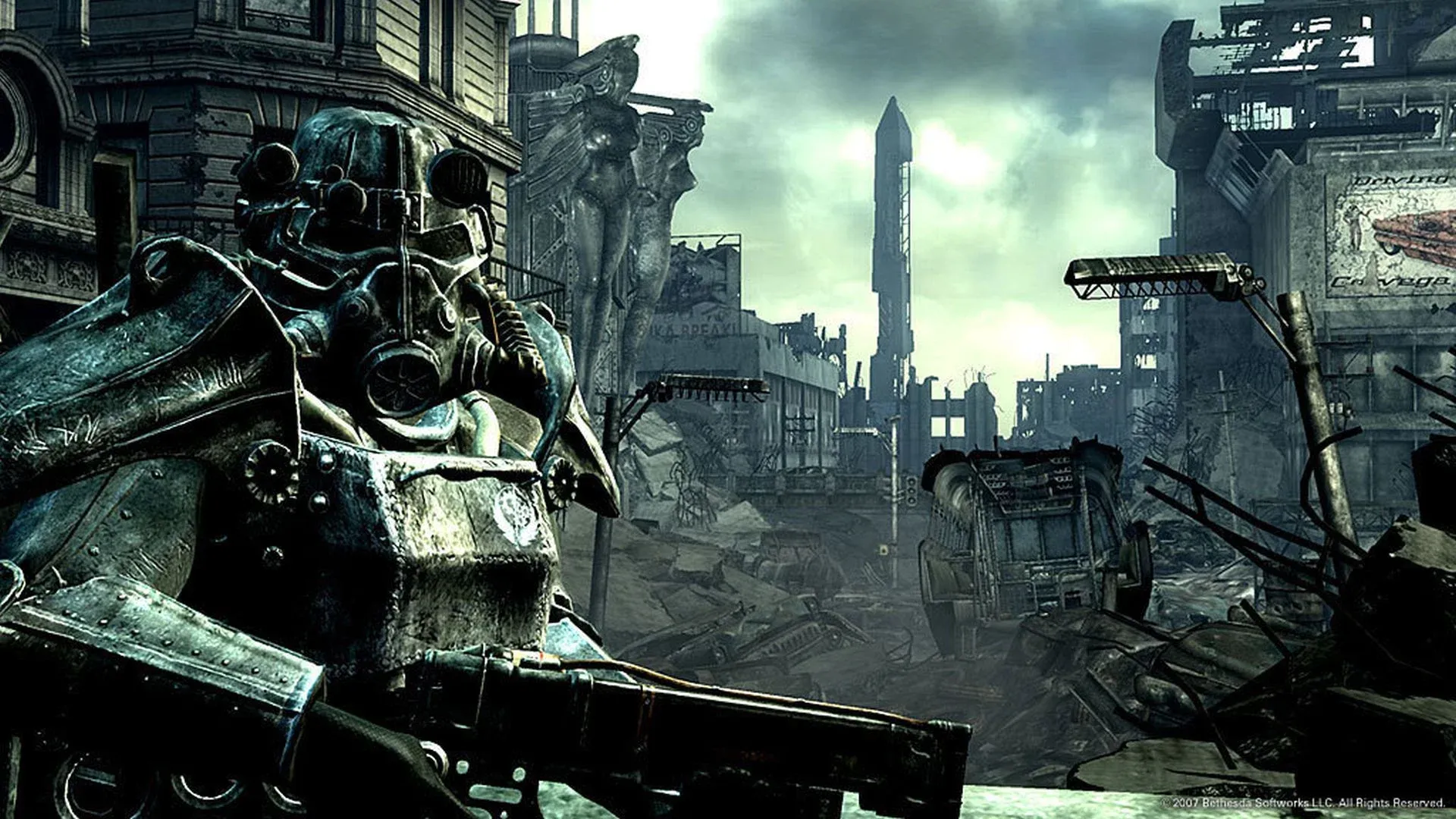

Xbox CEO Asha Sharma dropped a company-wide memo on July 6 that effectively told the gaming world which franchises will define Xbox's future: Halo, Fallout, The Elder Scrolls, Gears, and Forza. The smaller studios are gone or gutted. The money is going toward the big names. And if that sounds like a safe bet, the Marvel film universe would like a word.
Why the "invest in what works" logic falls apart
Sharma's stated reason for the reset is straightforward: Xbox's profit margins trail competitors, and previous investments in smaller, award-winning studios didn't generate enough revenue. So the plan is to stop spreading resources thin and concentrate development power on proven sellers.
Here's the thing, though. The reason franchises like Halo feel fresh when they arrive is precisely because of the gaps between releases. Halo 3 launched to massive cultural impact partly because players had time to miss it. Compress that cycle, push development teams to ship faster, and you're not amplifying what makes those games special. You're diluting it.
Bethesda already demonstrated this problem internally. Fallout and Elder Scrolls games have always been variations on the same template, just bigger. Starfield stripped away the space setting and revealed an Elder Scrolls-Fallout hybrid underneath. That's not a knock on the formula, it's an observation that the formula has a ceiling, and hitting it faster won't raise the ceiling.
The Fallout TV timing problem
The missed opportunity with the Fallout TV show is the clearest sign that Xbox's planning horizon is shorter than it should be. The first season aired, won awards, and brought millions of new viewers to a franchise they'd never touched. Xbox celebrated by announcing nothing. No remaster, no new entry, no timed re-release of a classic.
Fallout season 2 debuted in December 2025 and became Amazon's second-best returning series. Season 3 started filming in May 2026. If the reported Obsidian Entertainment Fallout project only recently entered development, a five-plus year development cycle puts it nowhere near ready for season 3's likely 2027 window. That's 80+ million potential players cycling through peak franchise interest with nothing new to play.
The key here is that timing matters as much as quality. A good Fallout game launching two years after peak TV interest is a much smaller event than a good Fallout game launching alongside it.
What the studio gutting actually cost
The layoffs that accompanied Sharma's reset hit more than just the smaller studios. Parts of Bethesda itself, the team responsible for both Fallout and Elder Scrolls, were cut. Compulsion Games and Undead Labs were effectively sidelined after nearly a decade under Xbox without shipping more than one or two games each.
Gears faces a similar credibility gap. Its peak was the Xbox 360 era, and the upcoming prequel looks, by most accounts, like more Gears. Forza entries are already starting to blend together even with multi-year gaps between launches. And id Software, which had genuine creative range with Doom, was largely dismantled in the same round of cuts.
The studios left standing are being asked to carry more weight with, in some cases, fewer people.
The Marvel comparison isn't flattering
The Marvel film universe comparison isn't just a rhetorical jab. It describes a specific failure mode: a collection of beloved properties, accelerated release schedules, declining creative differentiation, and audiences who eventually stop showing up because each new entry feels like the last one.
Halo has historically avoided that trap because each mainline entry had years of breathing room. The gap between Halo 2 and Halo 3 was enough for the sequel to feel like an event. Shorter cycles don't just risk quality, they risk the cultural weight that makes a Halo launch feel different from any other shooter release.
Xbox's best-case scenario here is that it manages release schedules smartly, gives each franchise room to breathe, and uses the concentrated resources to actually make better games. The realistic concern is that financial pressure and a smaller talent base push teams toward safer, faster, more similar releases.
With the studio restructuring now complete and development priorities locked in, the next few years of Xbox game announcements will tell you everything about which scenario is actually playing out. Keep an eye on the gaming guides space for coverage as those titles get closer to release.