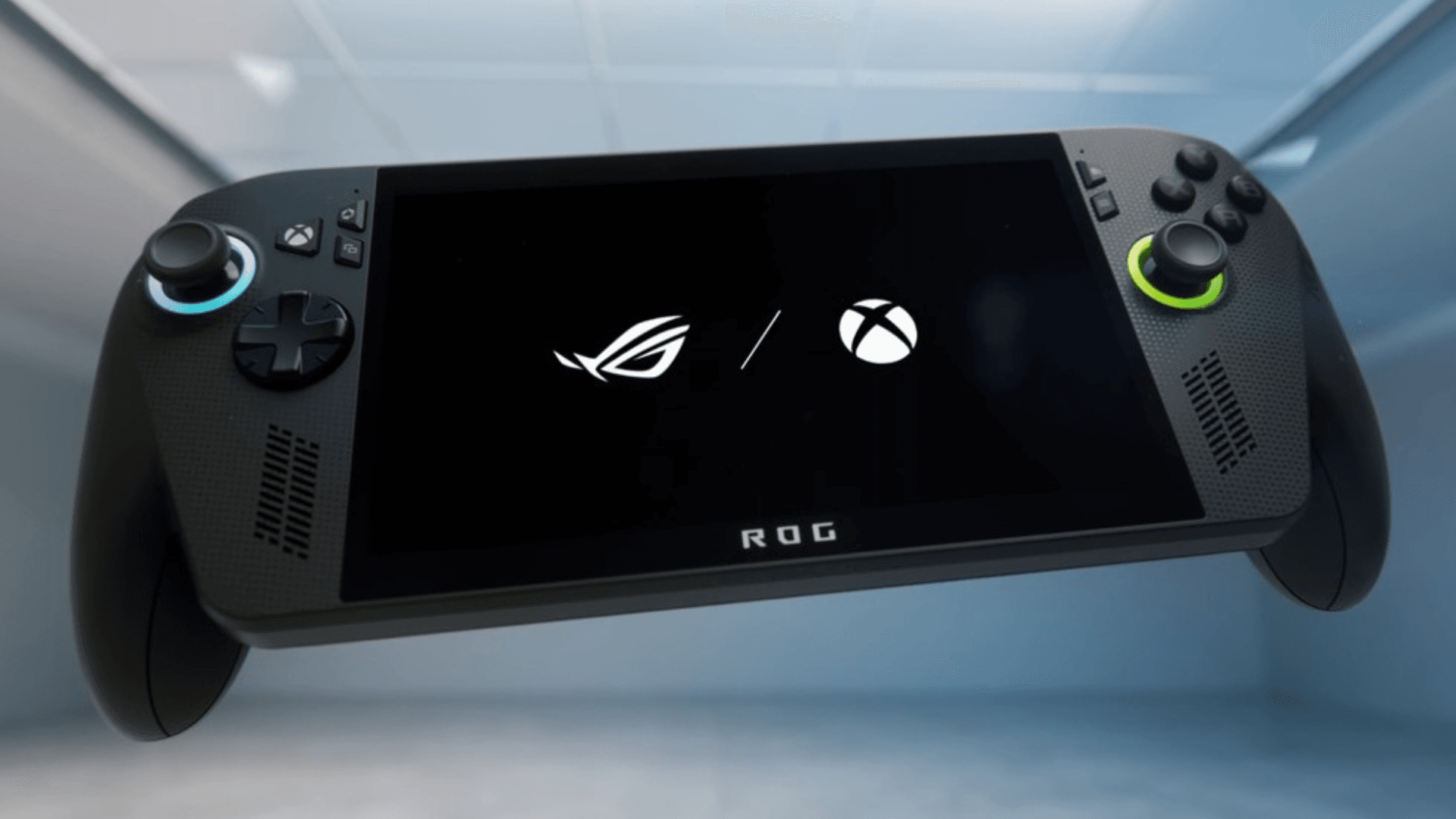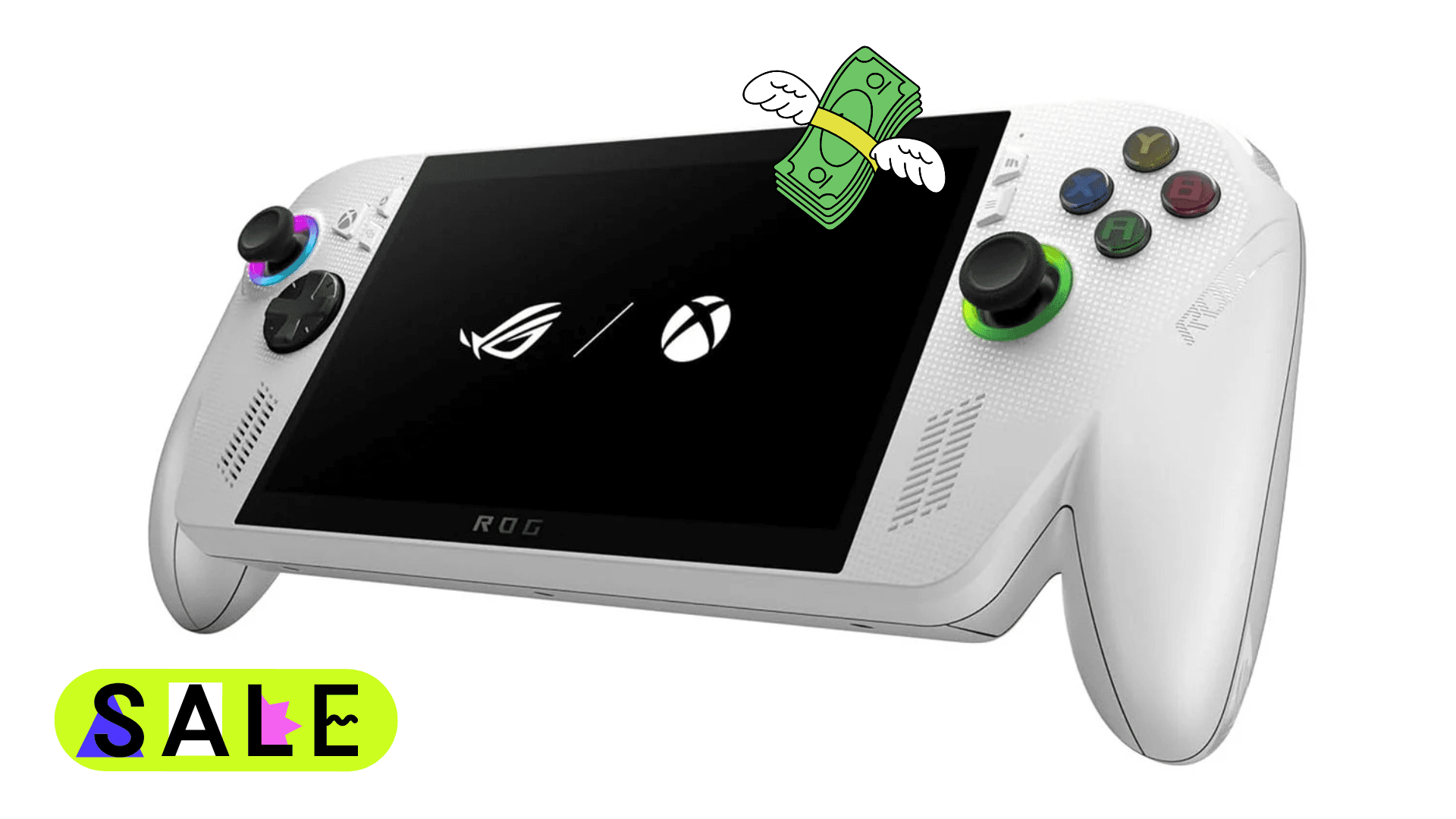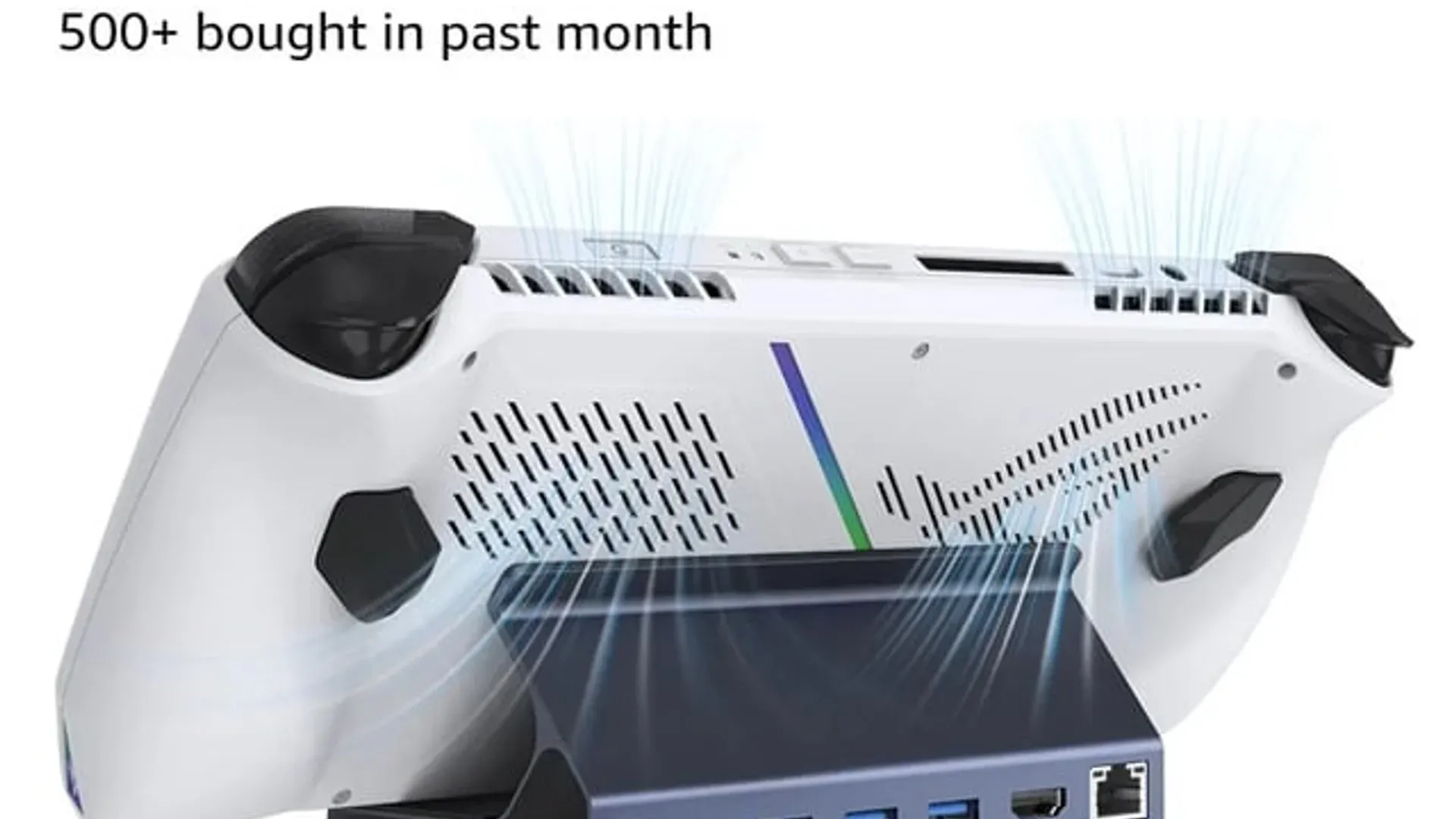


The setup shouldn't work. It definitely shouldn't feel good. And yet, someone plugged an Asus ROG Ally X into a Steam Deck dock, grabbed a wired Xbox 360 controller, and discovered one of the more unexpectedly satisfying ways to play 2000s games in the modern era.
This isn't an official Microsoft-endorsed experience. It's the kind of setup born from curiosity, a spare dock, and the realization that Windows handheld PCs are just... PCs. Small, portable, surprisingly versatile PCs.

Use code TRYHARD33 at checkout to redeem this offer before code expires again.
Get 33% Off GAMES+ Subscription
Why a Steam Deck Dock Works With the Ally X at All
Here's the thing: the Steam Deck dock is just a USB-C hub with HDMI output and USB ports. It doesn't care what device you plug into it. The Ally X runs Windows, supports USB-C video output, and charges over the same connection. Plug it in and it behaves exactly like any other PC connected to a monitor or TV.
The result is a handheld PC that suddenly becomes a living room console. You get a big screen, a stable power connection, and the freedom to use any USB or Bluetooth controller you want. Including, apparently, a controller that came out in 2005.
The Xbox 360 Controller Is Still Surprisingly Good
The Xbox 360 controller has aged better than most gaming peripherals. The wired version in particular requires zero setup on Windows, shows up instantly as a recognized input device, and works with practically every game from that era without any remapping. For seventh-gen titles, it's the controller those games were literally designed around.
Pairing it with the Ally X running emulators or original PC versions of 2000s games creates this strange full-circle moment. You're playing Halo 2, Fable, or Dead Rising on hardware that didn't exist when those games launched, using a controller that did. It's a weird kind of authenticity.
The Cursed Part Is Also the Best Part
What makes this setup genuinely interesting isn't just that it works. It's that it highlights how flexible Windows handhelds have become. The ROG Ally X was designed to be a portable gaming device, but nothing stops it from becoming a couch console the moment you set it on a dock.
Steam Deck owners figured this out early. Valve's dock was built for exactly this kind of TV-connected play, and the fact that it extends naturally to competing hardware says a lot about how open the USB-C ecosystem has become. You can read more about turning a Steam Deck into a full living room machine in PCWorld's hands-on breakdown of the docked experience.
The Ally X brings its own advantages to the table here too. Windows compatibility means a wider software library than the Steam Deck's Linux-based SteamOS, and the Ally X's specs handle 2000s titles without breaking a sweat. Frame rates are locked, load times are fast, and the whole thing runs quietly enough that you'd forget it's a handheld at all.
What This Actually Means for Handheld Gaming
Setups like this are becoming more common as handheld PCs mature. The lines between portable gaming and home console gaming are blurring fast. A device that fits in a bag can also sit in a dock and deliver a full living room experience, with whatever controller you happen to have nearby.
For anyone sitting on a collection of 2000s games and a drawer full of old controllers, the barrier to building something like this is genuinely low. One USB-C dock, one handheld, and whatever controller feels right for the era you're revisiting. Sometimes the most satisfying gaming setups are the ones nobody planned.Make sure to check out more: