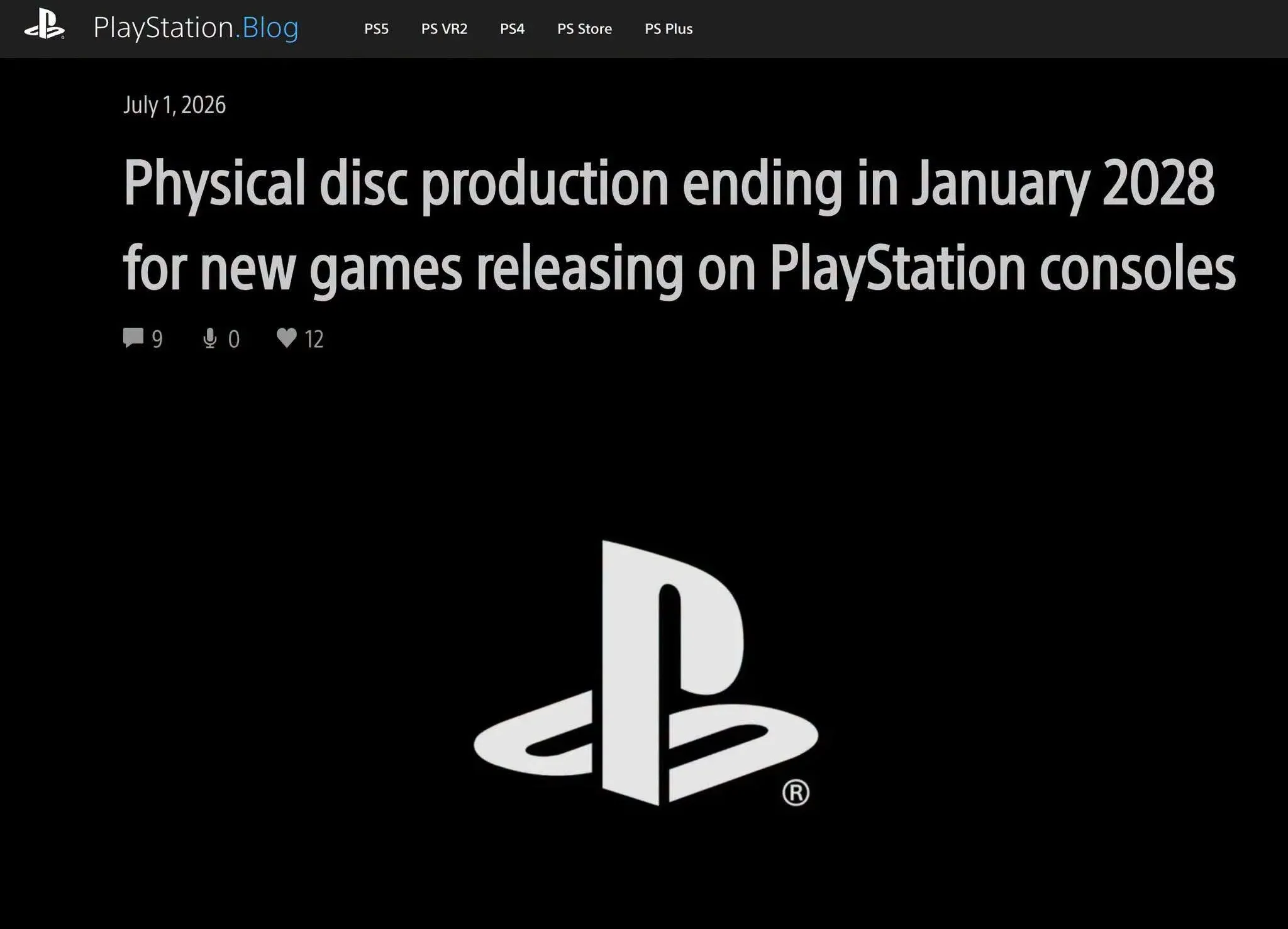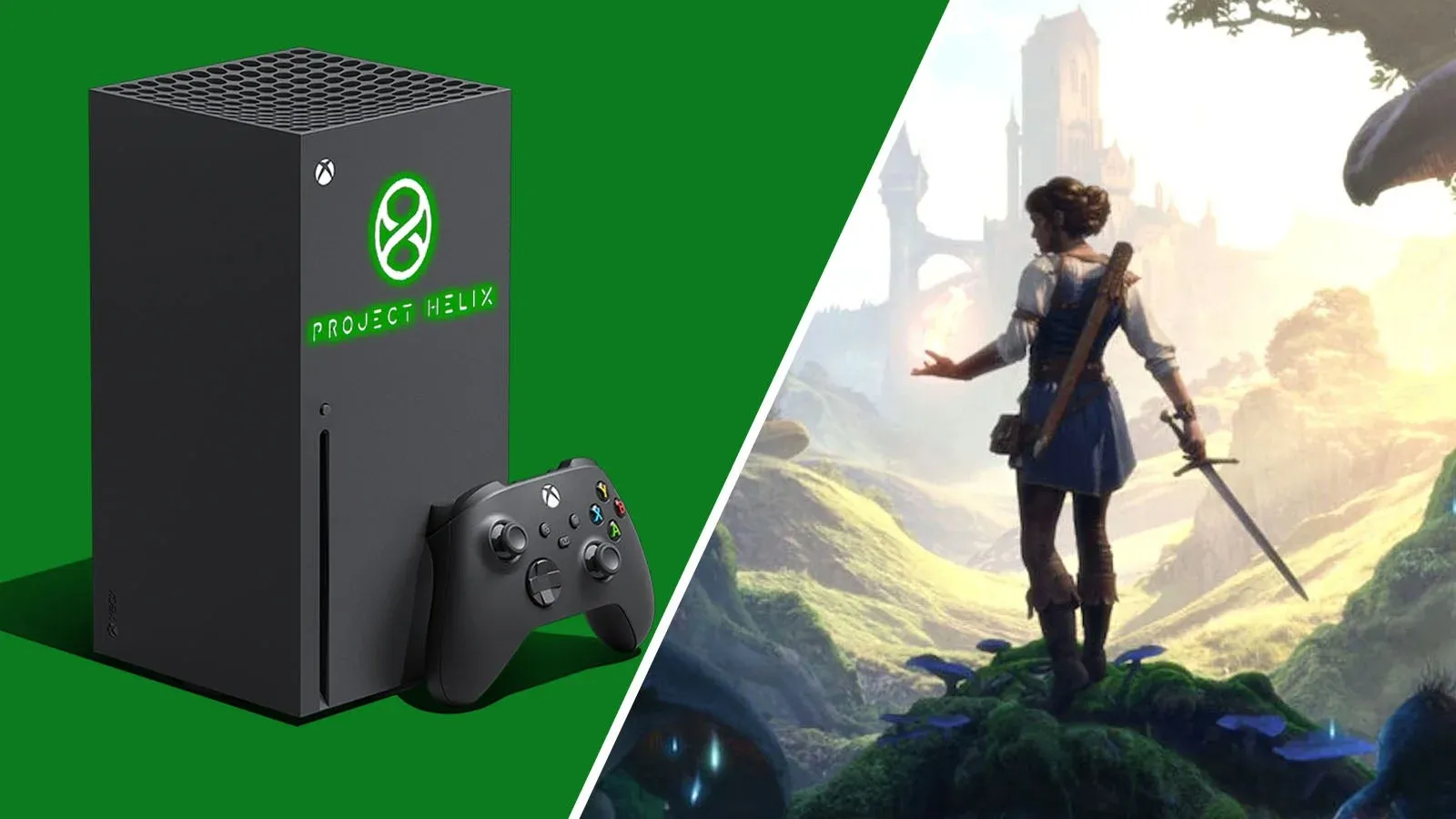


Physical media is on its way out of the console market, and the next generation is shaping up to be the last nail in the coffin. Sony has officially announced it will stop producing physical discs by January 2028, which lines up neatly with the expected PlayStation 6 launch window. Now, Microsoft is reportedly heading in the same direction with its next-gen hardware, codenamed Project Helix, which is expected to launch without a disc drive entirely.

Use code TRYHARD33 at checkout to redeem this offer before code expires again.
Get 33% Off GAMES+ Subscription
The disc drive is disappearing from both sides of the aisle
Here's the thing: neither of these decisions came out of nowhere. Microsoft already pulled the disc-equipped Xbox Series S from production, leaving only the discless model in its lineup. Sony's PS5 Digital Edition has outsold the disc-based model in most major markets since 2023. Both companies have been quietly telegraphing this move for years, and now it is becoming official policy for the next generation.
Project Helix going disc-free means the next Xbox will ship without any optical drive option at all, not even as an add-on. That is a harder line than Microsoft has drawn before, and it signals that the company views the disc drive as a cost liability rather than a feature worth preserving.
The numbers that made this decision easy for both companies
The data behind this shift is hard to argue with. In the UK, boxed game sales fell roughly 40% between 2019 and 2024. Digital revenue now accounts for over 90% of total game spending across PC and console platforms combined. The US market tells the same story, with physical unit sales declining year-over-year while digital formats absorbed essentially all of the market's growth.
Consumers made this call first. The hardware manufacturers are catching up.
What this means for the players who still buy physical
The minority who buy physical games tends to care about it more than the average player. Collectors, rural buyers with limited internet bandwidth, and consumers in markets where digital pricing is less competitive all have real reasons to prefer discs. That audience is being left behind, and there is no clean way to spin that.
For everyone else, the practical impact is smaller than it sounds. If you have been buying digital on PS5 or Xbox Series X for the past few years, your library transfers. Game Pass and PlayStation's subscription tiers are built around digital access. The shift stings more in principle than in day-to-day use for the majority of current players.
If you want to see what a fully disc-free next-gen experience looks like in practice, the GTA 6 PS5 exclusive features guide breaks down how PS5-specific hardware advantages like DualSense haptics and near-instant load times already point toward a future where the disc is irrelevant to the experience.
Project Helix's price problem and the disc drive calculation
The $1,000 price point looming over both consoles is not a rumor at this stage. Bill of materials estimates for PS6 have crept close to that figure, and Project Helix is facing the same component cost pressures. Memory and storage pricing is a significant driver, and neither company has an easy fix.
Removing the disc drive does not solve a $1,000 BOM problem on its own, but it reduces manufacturing complexity and eliminates a component that a shrinking percentage of buyers actually use. From a product engineering standpoint, it is a straightforward call. From a consumer standpoint, it depends entirely on which side of the 90/10 digital-to-physical split you sit on.
If you are planning around next-gen storage demands, the Forza Horizon 6 preload guide gives a concrete look at what modern Xbox titles are demanding in terms of local storage, with PC needing 156.65 GB and Xbox Series X|S needing 144.84 GB. That trajectory is only going up.
Where things stand heading into next-gen
Sony's disc announcement landed on July 1, and the Project Helix reporting followed the same day. The timing is not a coincidence. Both companies appear to be coordinating the messaging around a shared industry direction rather than one catching the other off guard.
The transition is probably inevitable at this point. That does not make it painless for everyone. Physical game preservation, resale markets, and access for low-bandwidth households are all real concerns that a digital-only future does not automatically solve.
What most players miss is that the disc drive debate is really a conversation about who gets to own their games long-term. Digital licenses are not the same as physical ownership, and that distinction matters more as the next generation locks in an all-digital default. Browse our gaming guides for more coverage as Project Helix and PS6 details continue to develop.