Microsoft is reshaping Xbox's identity, moving away from its traditional console-centric model toward a strategy built around third-party publishing and cross-platform expansion. This transformation reflects the company's response to stagnating subscriber numbers, declining hardware momentum, and intensifying market competition.
Revenue Beyond the Console
The financial case for this shift is clear. Games like Forza Horizon 5 have pulled in nearly $400 million on platforms outside the Xbox ecosystem, including Steam and PlayStation 5. That kind of performance makes it hard to justify keeping major releases locked to a single platform when there's real money to be made elsewhere.

Forza Horizon 5
Subscription Plateau and Developer Hesitation
Xbox Game Pass growth has hit a wall. While PC and cloud segments continue to expand modestly, console subscriptions have flatlined — even after the arrival of Call of Duty: Black Ops 6. The service's all-you-can-play model has also created an unintended side effect: it discourages day-one purchases, which makes the platform less attractive to third-party developers.
Some studios that once worked closely with Xbox are now skipping the platform entirely. Moon Studios, previously a second-party partner, has moved on to other ecosystems where sales potential is stronger and the user base is larger. For publishers weighing platform priorities, Xbox's shrinking footprint is becoming harder to justify.

Call of Duty: Black Ops 6
Cross-Platform Performance and Internal Realignment
Despite these challenges, Xbox games are thriving on competing platforms. Opening up its library to rival storefronts has broadened Microsoft's revenue streams and helped fund ongoing development while Game Pass reaches its natural ceiling.
Meanwhile, Microsoft's corporate focus has shifted toward generative AI, adding pressure on business units to align with new strategic priorities. This realignment has resulted in layoffs within the Xbox division as the company recalibrates its gaming operations.
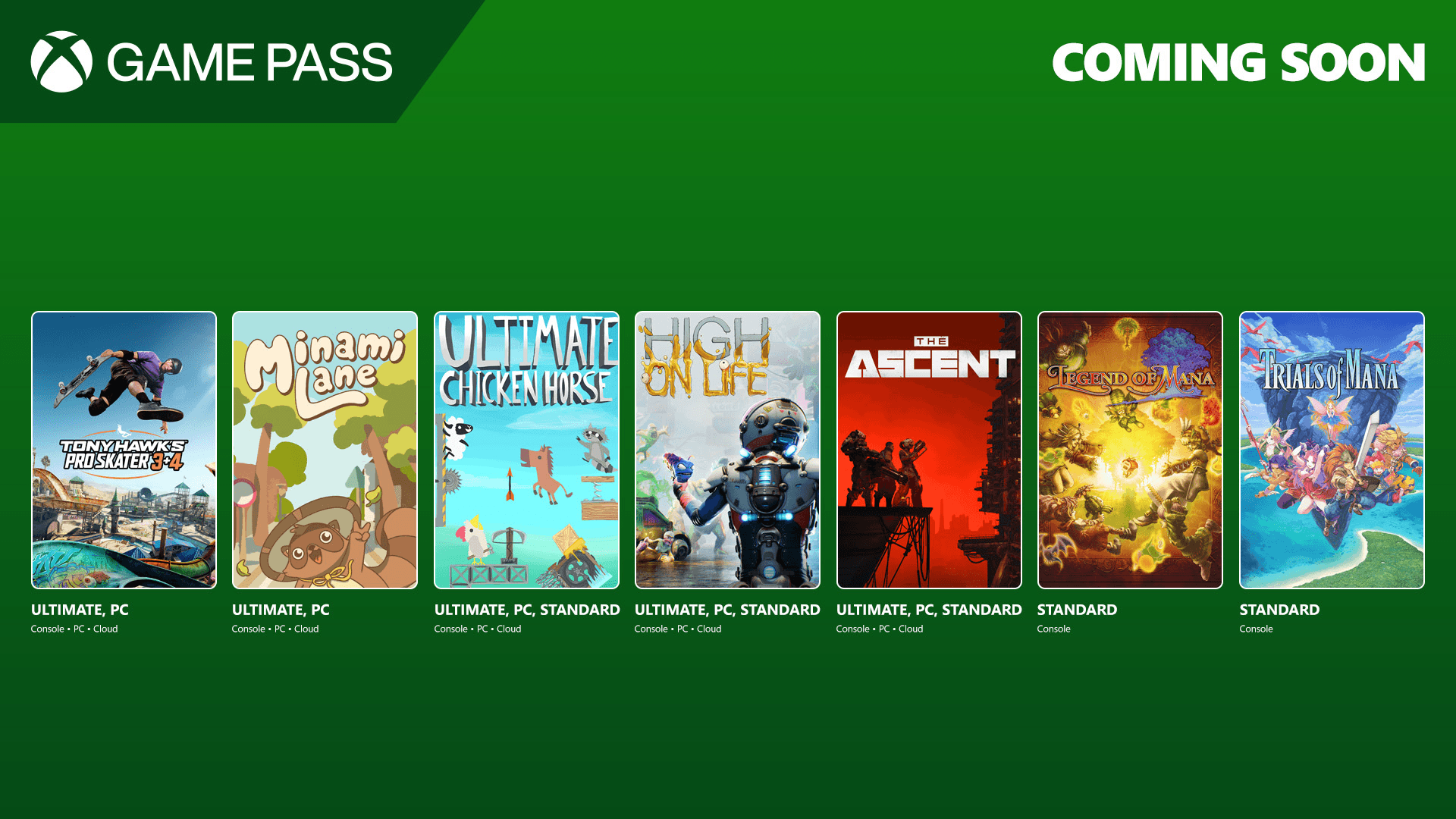
Xbox Game Pass
Hardware Reimagined
Xbox isn't abandoning hardware, but the next generation won't look like a traditional console. The upcoming device is expected to function more like a PC, tightly integrated with the Windows operating system and designed for cloud and hybrid gaming. The idea is to transition Xbox players into the Windows ecosystem through hardware that blends console accessibility with PC flexibility.
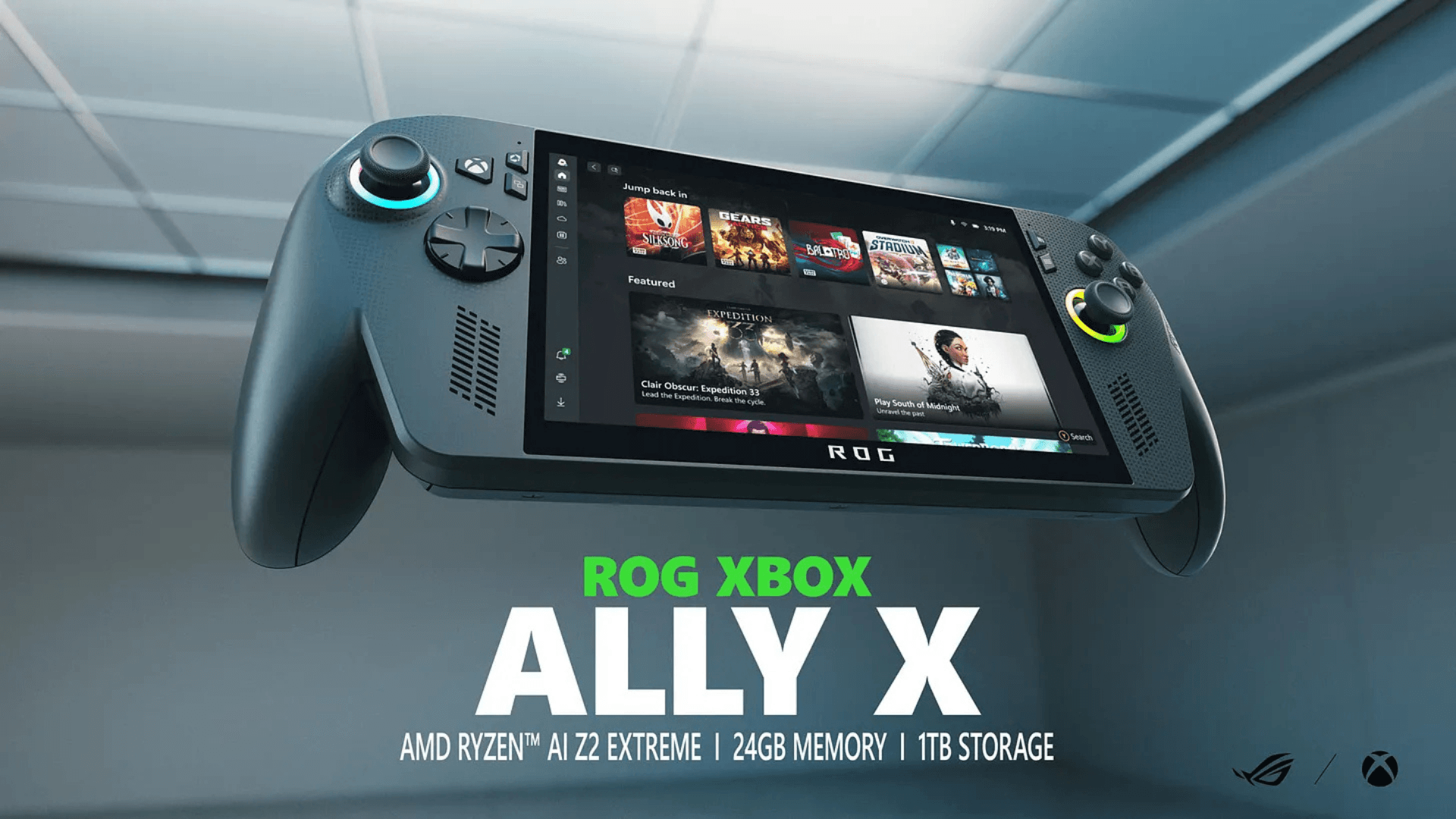
The partnership with ASUS on a handheld gaming device reinforces this direction. That portable system runs on PC architecture, signaling Microsoft's intent to guide its user base toward a more open, cross-platform experience.
Xbox's Push to Third-Party Publisher
Building a Platform-Agnostic Ecosystem
By releasing its franchises across PlayStation, PC, and other platforms, Xbox is tapping into larger install bases and diversifying its income. The model now combines recurring revenue from hardware and subscriptions with direct sales on rival storefronts.
The Xbox console in its traditional form is fading. What's taking its place is a more adaptable ecosystem. Microsoft's goal is to position Xbox as the "Windows of gaming" — a foundational layer that powers gameplay across handhelds, PCs, cloud services, and whatever comes next.
What Comes Next
Whether this strategy pays off long-term is still an open question. But the shift reflects a deliberate effort to stay relevant as the gaming industry evolves. By embracing cross-platform publishing and tightening integration with Windows PC infrastructure, Xbox is redefining what it means to be a gaming brand — even if that means leaving the console wars behind.