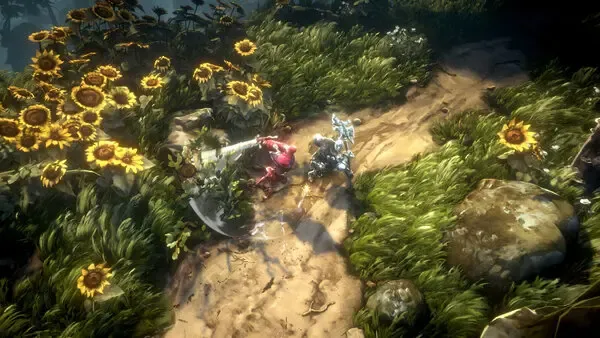


Playing No Rest for the Wicked in co-op changes everything about how you handle loot. The game uses a first-come, first-served system where whoever grabs an item owns it immediately. There's no shared pool, no automatic distribution. You'll need to coordinate with your team and use the trading system strategically to keep everyone properly geared. Here's exactly how to manage loot, execute trades, and build a stronger fellowship through smart item distribution.
How Trading Works
Trading happens exclusively in co-op realms and requires direct player interaction. You can exchange gear, materials, and currency without restrictions, making it the primary method for balancing team strength.
Opening a trade:
- Walk directly up to your party member
- Press the interaction prompt when it appears
- Access the hotbar on the left side of your screen
- Select the trading option to open the exchange interface
Both players place items or currency into the offer window. Once you've arranged the exchange, both sides must lock in and confirm. The trade won't complete until both players approve, preventing accidental transfers.
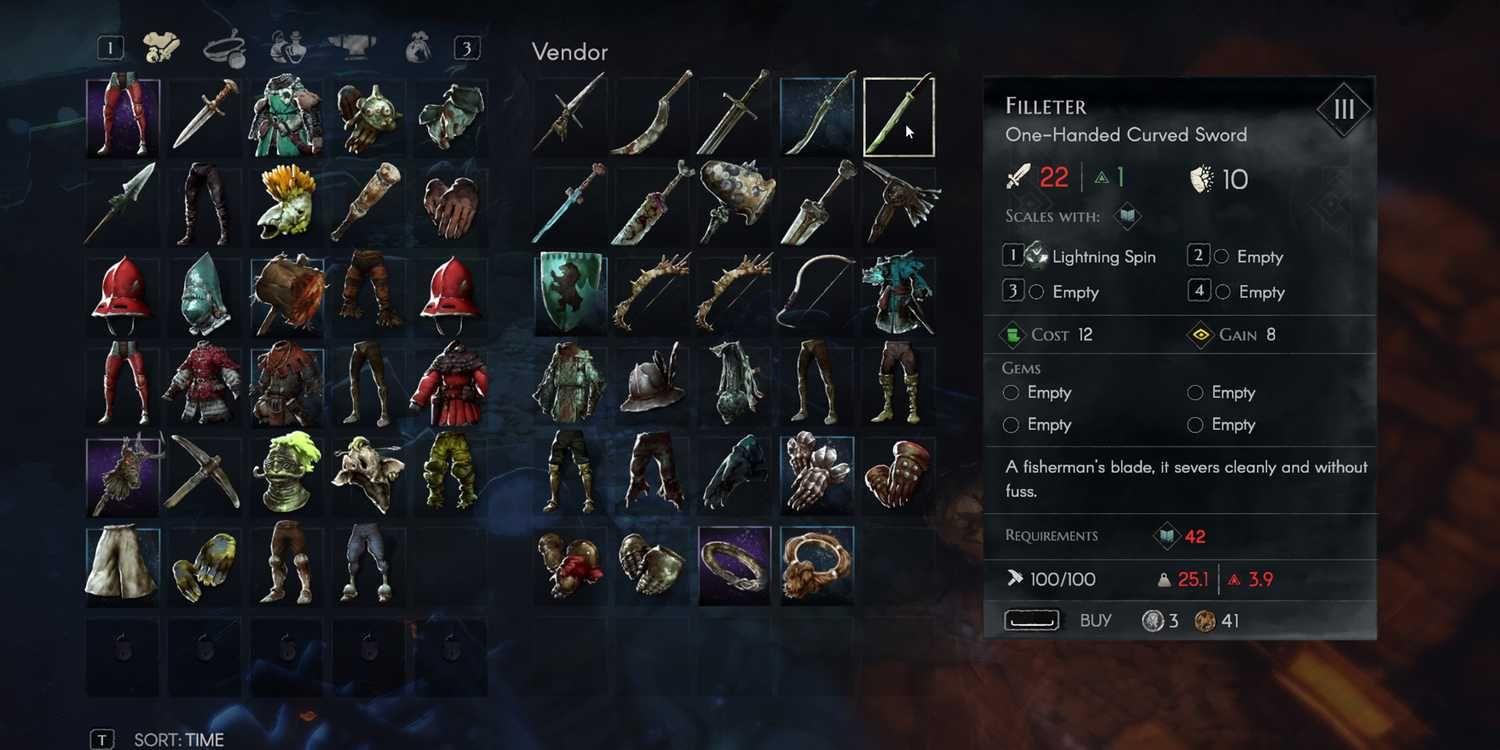
Trading interface confirmation
The First-Come Loot System?
When loot drops in No Rest for the Wicked's co-op mode, it belongs to whoever picks it up first. There's no round-robin distribution, no class-specific drops. This system demands active communication and quick decision-making during combat.
Key mechanics:
- Items appear for all players simultaneously
- First player to interact claims the item permanently
- No "need before greed" system exists
- Trading is the only way to redistribute after pickup
Most successful groups assign pickup priority based on immediate usefulness. If you're running a Tank build and heavy armor drops, your DPS teammates should let you grab it. Same logic applies to weapons, with each role claiming items that match their stat scaling.
How to Drop or Destroy Items
Managing inventory weight matters in co-op because over-encumbrance slows your entire team. You'll need to regularly clear unnecessary items to maintain mobility.
Destroying items:
- Open your inventory with I
- Hover over the unwanted item
- Press X to open the destruction menu
- Confirm to permanently remove the item
Your encumbrance status updates immediately. Remember that equipped gear contributes to your total weight, not just inventory items. If you're too heavy, unequip armor pieces until you're back in the green.
Why Trading Matters for Team Survival
Co-op difficulty scales aggressively. Enemies hit harder, spawn in larger groups, and coordinate attacks across your entire party. You can't afford to have one player undergeared while another hoards upgrades they don't need.
Scaling changes in multiplayer:
- Enemy health pools increase per additional player
- Attack patterns target multiple players simultaneously
- Boss stagger thresholds require coordinated damage
- Revive windows become shorter under pressure
Trading lets you optimize the entire team's combat effectiveness instead of individual power. A well-geared Support player keeps everyone alive longer than a single overpowered DPS who can't survive focus fire.
Best Loot Distribution Strategies
Different team compositions need different loot priorities. Here's how to structure distribution for maximum efficiency:
Assign one player as the "loot caller" during dungeon runs. They make quick decisions on who grabs what based on current team needs. This prevents the chaos of everyone diving for the same legendary drop.

Pro tip: Rotate the loot caller role between sessions. Everyone learns to evaluate gear value across different builds, making future distribution smoother.
Setting Up Effective Loot Rules
Your loot rules should fit on a sticky note. Complexity creates confusion during fast-paced combat. Here are proven frameworks that work:
Simple two-rule system:
- Rule 1: Grab items for your build first
- Rule 2: Trade duplicates and wrong-stat items immediately after combat
Role-priority system:
- Weapons go to DPS builds first
- Armor goes to Tank builds first
- Consumables split evenly through trading
- Crafting materials go to designated crafter
Specialist system:
- One player focuses on gathering materials
- One player prioritizes combat gear
- Resources get traded based on weekly team goals
- Everyone contributes to shared vendor upgrades
Test your chosen system in low-stakes areas first. Adjust based on what actually happens during play, not theoretical optimization.
Managing Shared Realm Progression
Realms persist across sessions, meaning every upgrade affects the entire fellowship permanently. This creates unique opportunities for strategic resource management.
Shared systems to coordinate:
- Vendor upgrades unlock for everyone simultaneously
- Crafting recipe discoveries benefit the whole team
- World state changes remain permanent
- Boss kills don't respawn until realm reset
Specialize roles across gathering, combat, and crafting. One player might focus on farming materials while offline, another pushes boss progression, and a third handles vendor relationships. When everyone contributes their specialty, the realm advances faster than solo play.
Common Trading Problems and Solutions
Problem: Trades failing to complete
- Both players must be stationary during the exchange
- Check that neither player is in combat status
- Restart the trade interface if it freezes
- Verify both players have inventory space
Problem: Disagreements over valuable drops
- Establish clear rules before disputes happen
- Use a simple roll system for contested items (/random 1-100)
- Rotate first pick rights on legendary drops
- Remember that team strength matters more than individual upgrades
Problem: Inventory management during combat
- Designate safe zones for sorting loot
- Clear trash items immediately after encounters
- Trade during natural breaks, not mid-fight
- Keep at least 10 inventory slots open for emergency pickups
Win Together, Loot Smarter
Co-op in No Rest for the Wicked works best when everyone understands how loot and trading really function. The first-come system rewards awareness and communication, while trading gives your team the flexibility to fix mistakes and keep everyone properly geared. Groups that talk through loot decisions, trade often, and focus on overall team strength will progress faster and survive tougher encounters. In the end, smart loot management is not about who grabs the item first, but about making sure the whole fellowship is ready for whatever the realm throws at you next.