Overview
Nova Roma presents city-building through the lens of ancient Roman governance, combining economic simulation with religious and political management. Players construct sprawling urban centers while navigating the delicate balance between mortal prosperity and divine favor. The game distinguishes itself through its emphasis on interconnected systems—where resource production, citizen satisfaction, and religious devotion form a three-pillar foundation for urban success. Lion Shield has crafted a simulation that rewards strategic planning over rapid expansion, demanding careful consideration of each building placement and policy decision.
The depth emerges from how these systems interact. A temple district might please the gods but strain your marble quarries, while new labor laws could boost production yet anger the patrician class. This constant tension between competing priorities defines the Nova Roma experience, creating a city-builder where long-term planning proves essential for survival.
What Makes the Supply Chain System Unique?
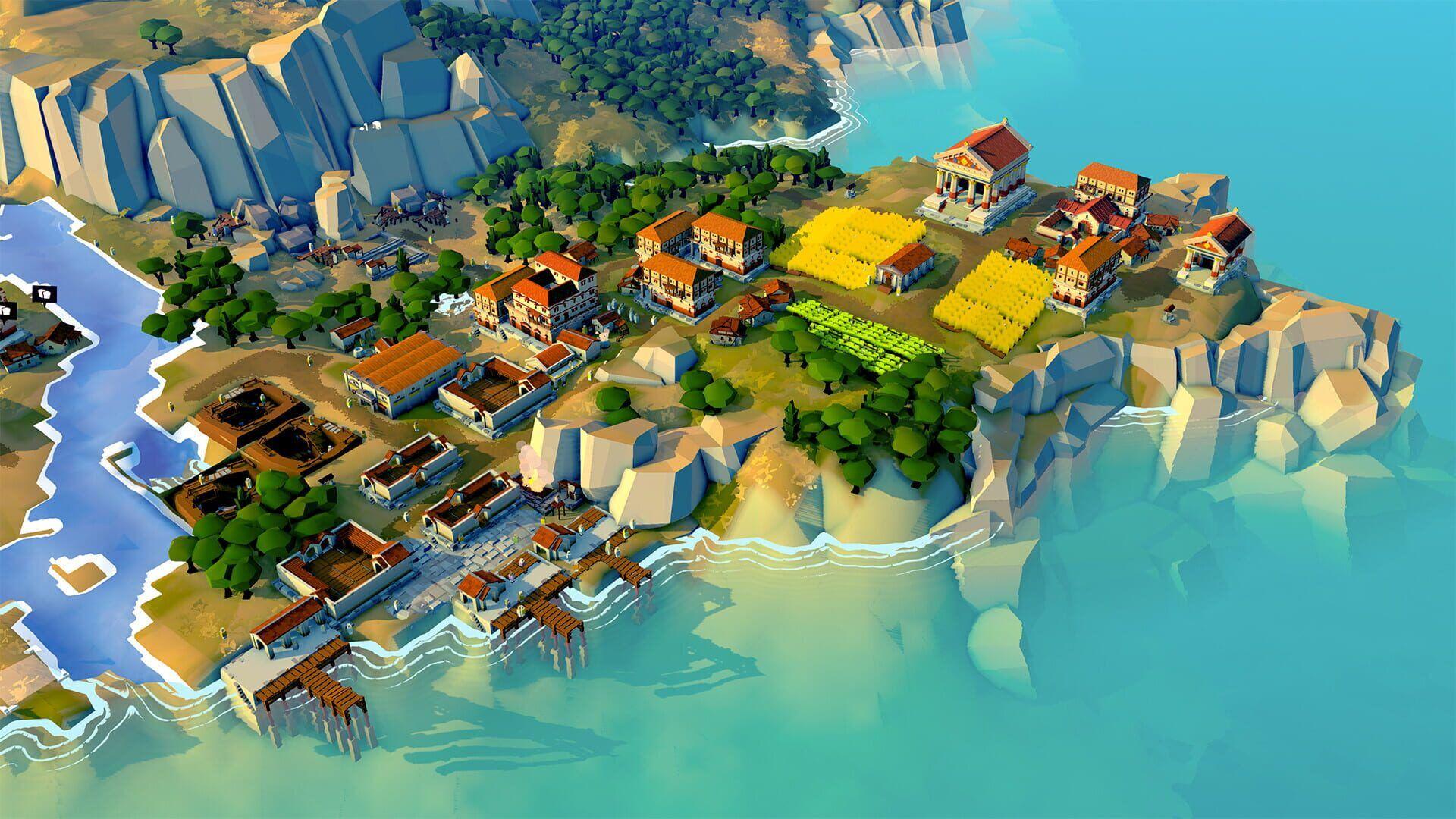
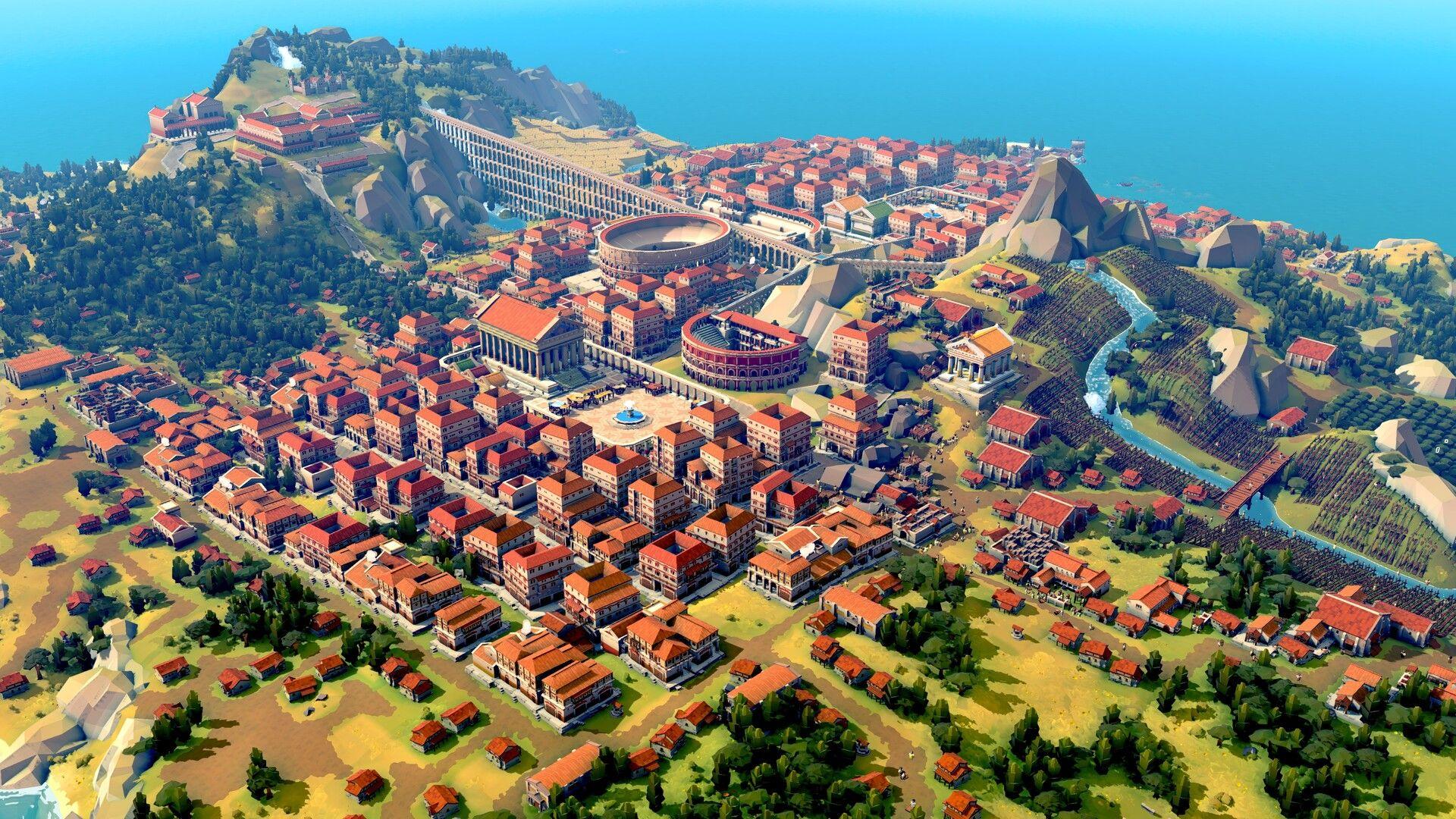
Nova Roma's production networks operate as the economic backbone of your city. Unlike simplified resource systems, the game requires players to establish multi-stage production chains that mirror historical Roman industry. Raw materials must be extracted, transported, processed, and distributed through carefully planned logistics networks.
- Layered production requiring multiple processing stages
- Transportation infrastructure connecting resource nodes
- Worker allocation across competing industries
- Storage management and distribution centers
- Trade route optimization for imported goods
Nova Roma
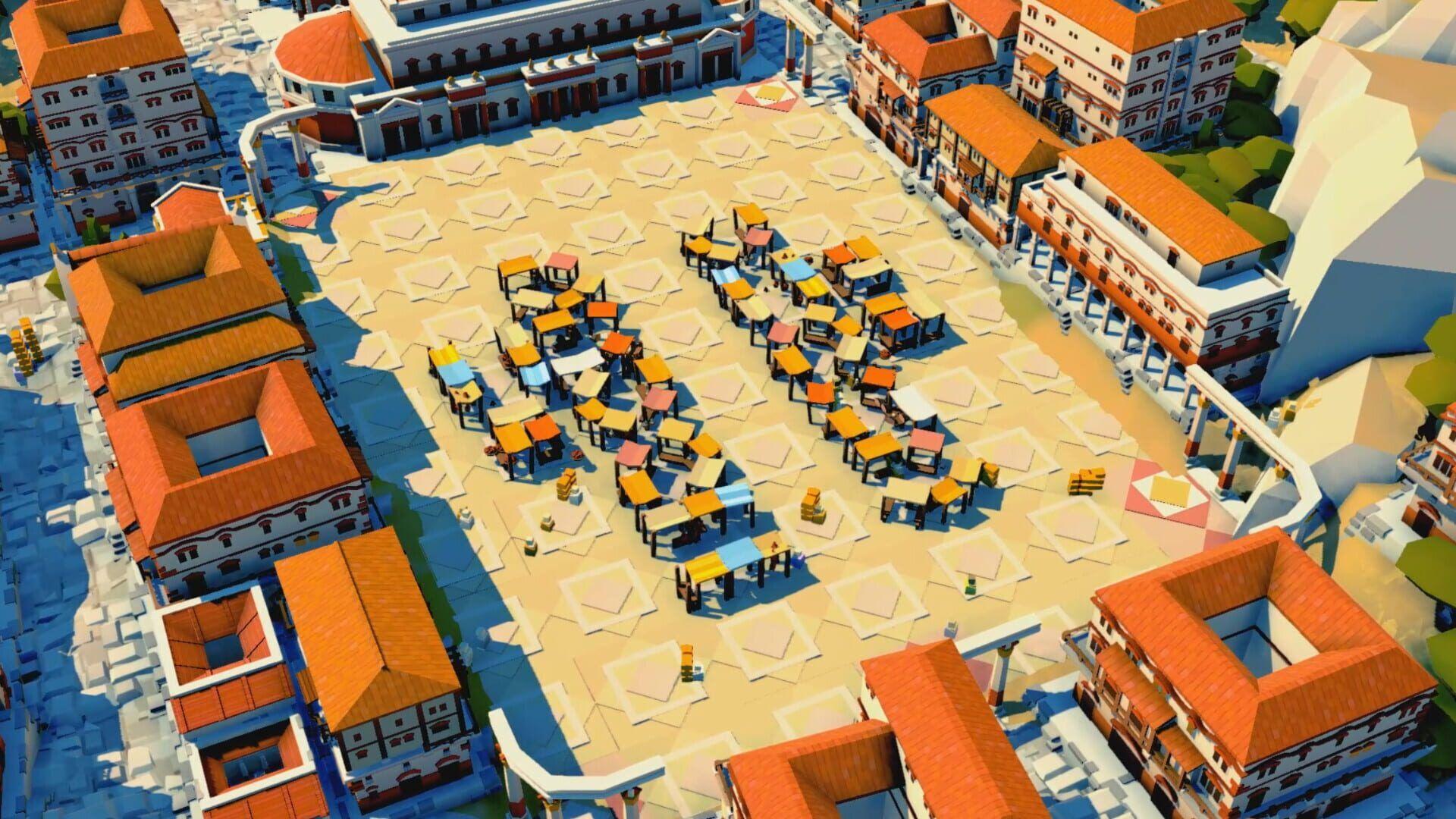
Each resource flows through specific pathways, demanding strategic placement of workshops, warehouses, and markets. Iron ore travels from mines to smelters, then to blacksmiths who produce tools for other industries. This cascading dependency means a shortage in one sector creates ripple effects throughout your economy. The simulation tracks these connections in real-time, forcing players to identify bottlenecks and adjust their industrial layout accordingly.
Governance Through Laws and Divine Favor
The legislative system provides tools for shaping your city's character and addressing crises. Players enact laws that influence everything from worker productivity to religious observance, with each decree carrying tangible consequences. A law mandating festival days might improve morale but reduce labor output, while strict trade regulations could protect local industries at the cost of diplomatic relations.
Nova Roma
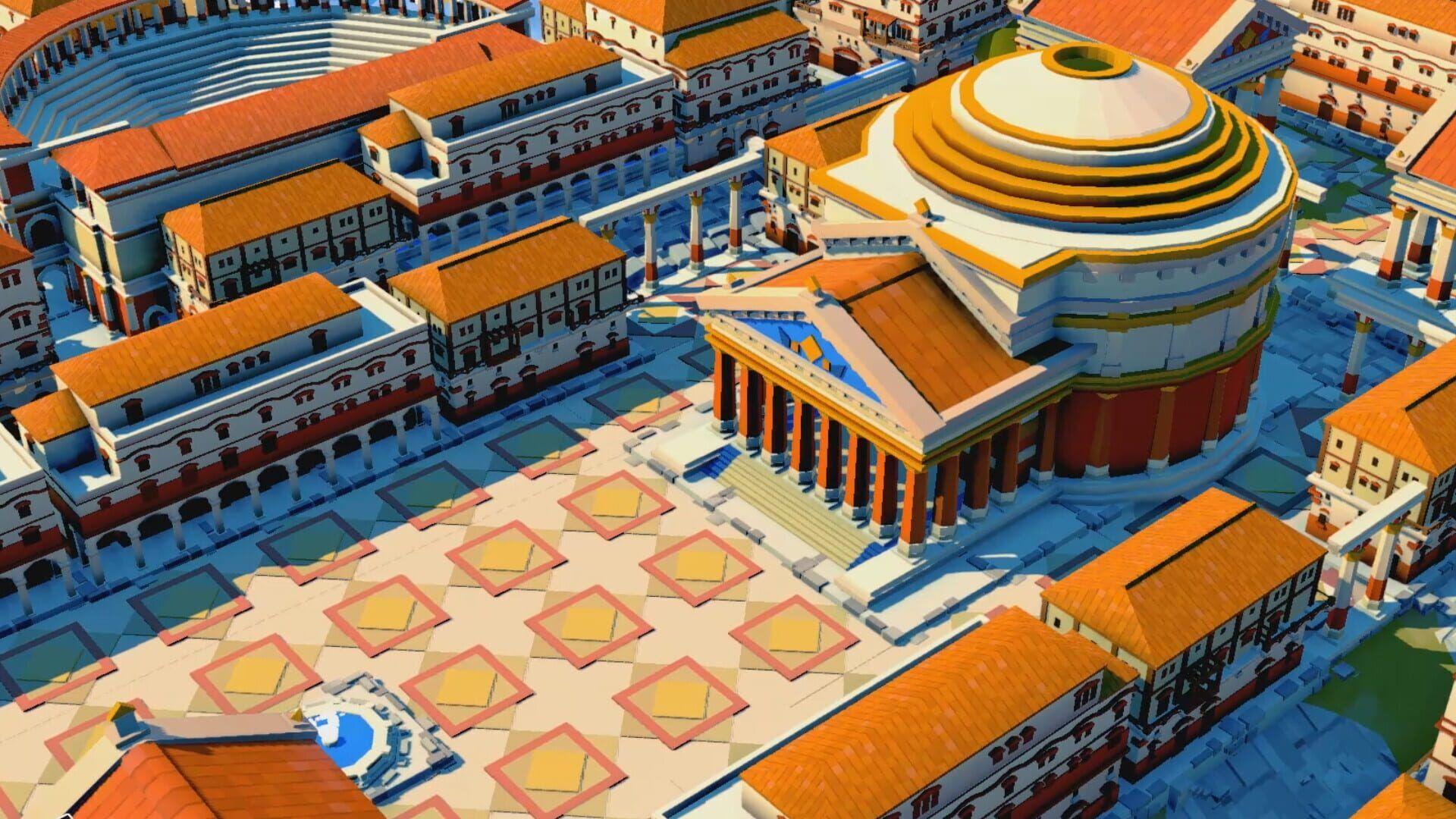
Religious mechanics add another layer of complexity. The Roman pantheon demands attention through temple construction, sacrifice offerings, and festival celebrations. Neglecting divine obligations triggers negative events, while maintaining favor unlocks blessings that benefit specific aspects of your city. This system integrates seamlessly with urban planning—temple districts require priests, sacrificial animals need pastures, and religious festivals impact the labor force. The gods watch your decisions, and their satisfaction directly affects your city's fortune.
Strategic Urban Planning and Citizen Needs
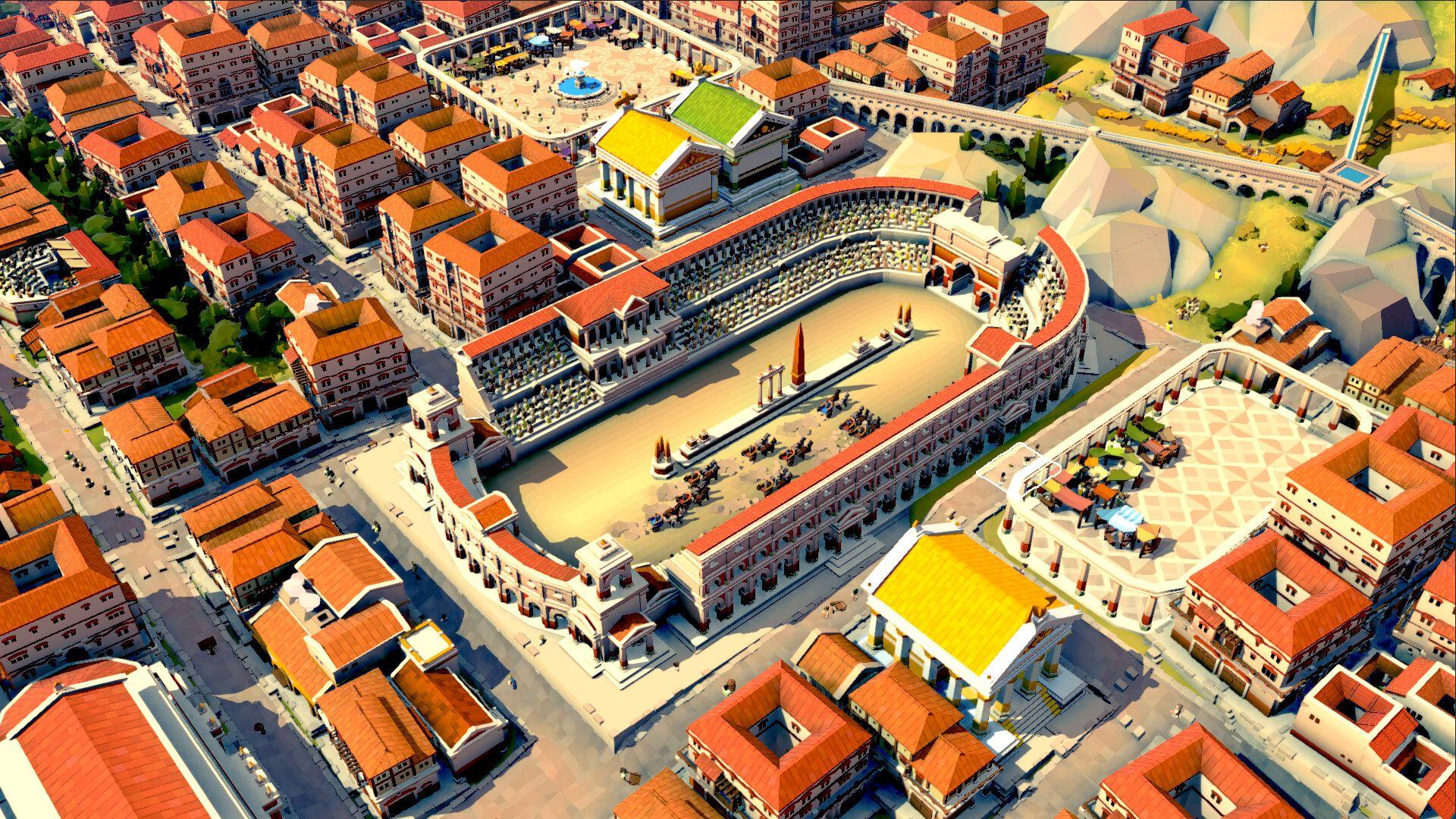
Population management extends beyond simple housing provision. Citizens belong to different social classes with distinct requirements and expectations. Plebeians need affordable grain and basic amenities, while patricians demand luxury goods and cultural venues. Balancing these needs against available resources tests your ability to prioritize and allocate effectively.
Nova Roma
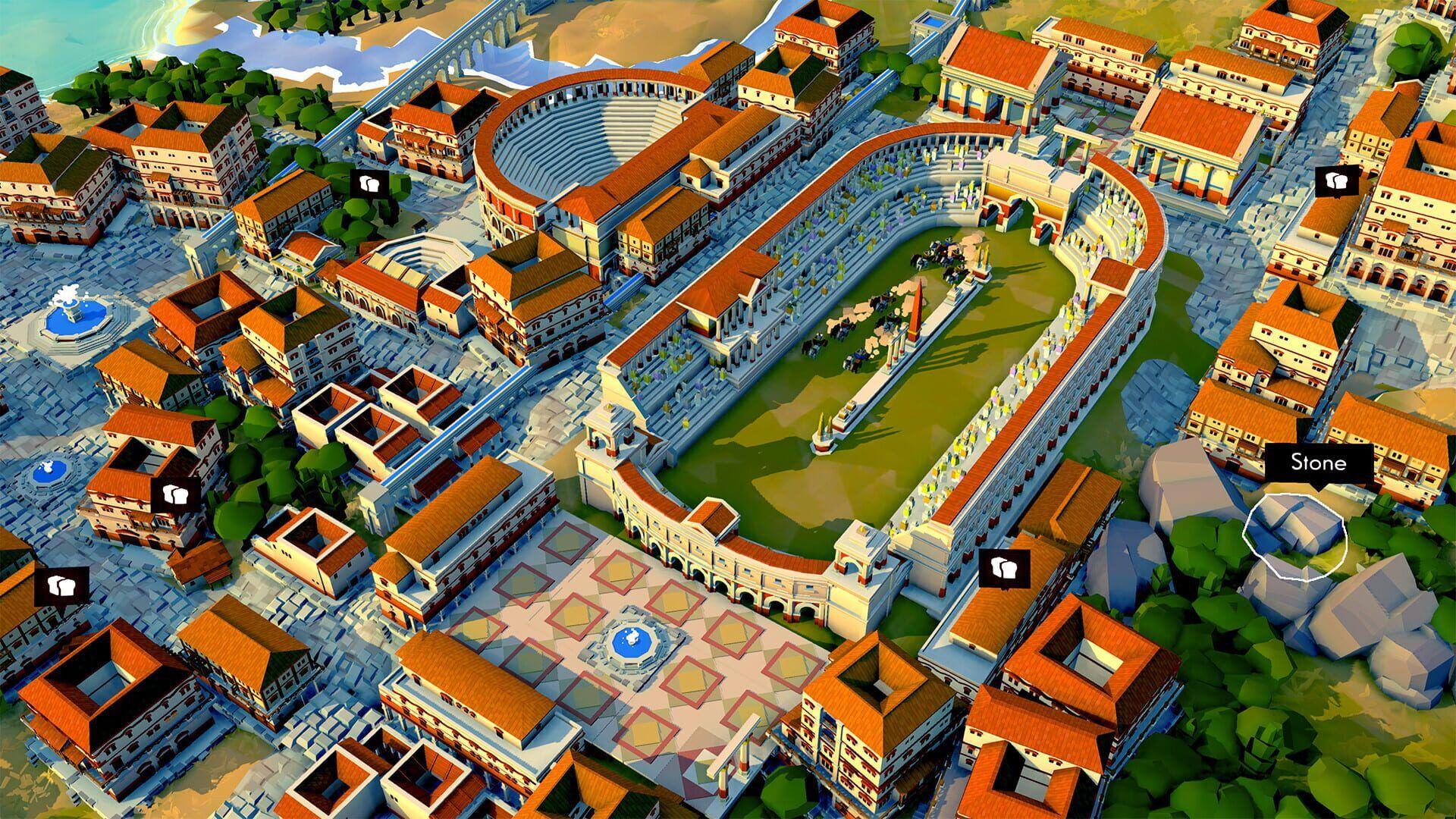
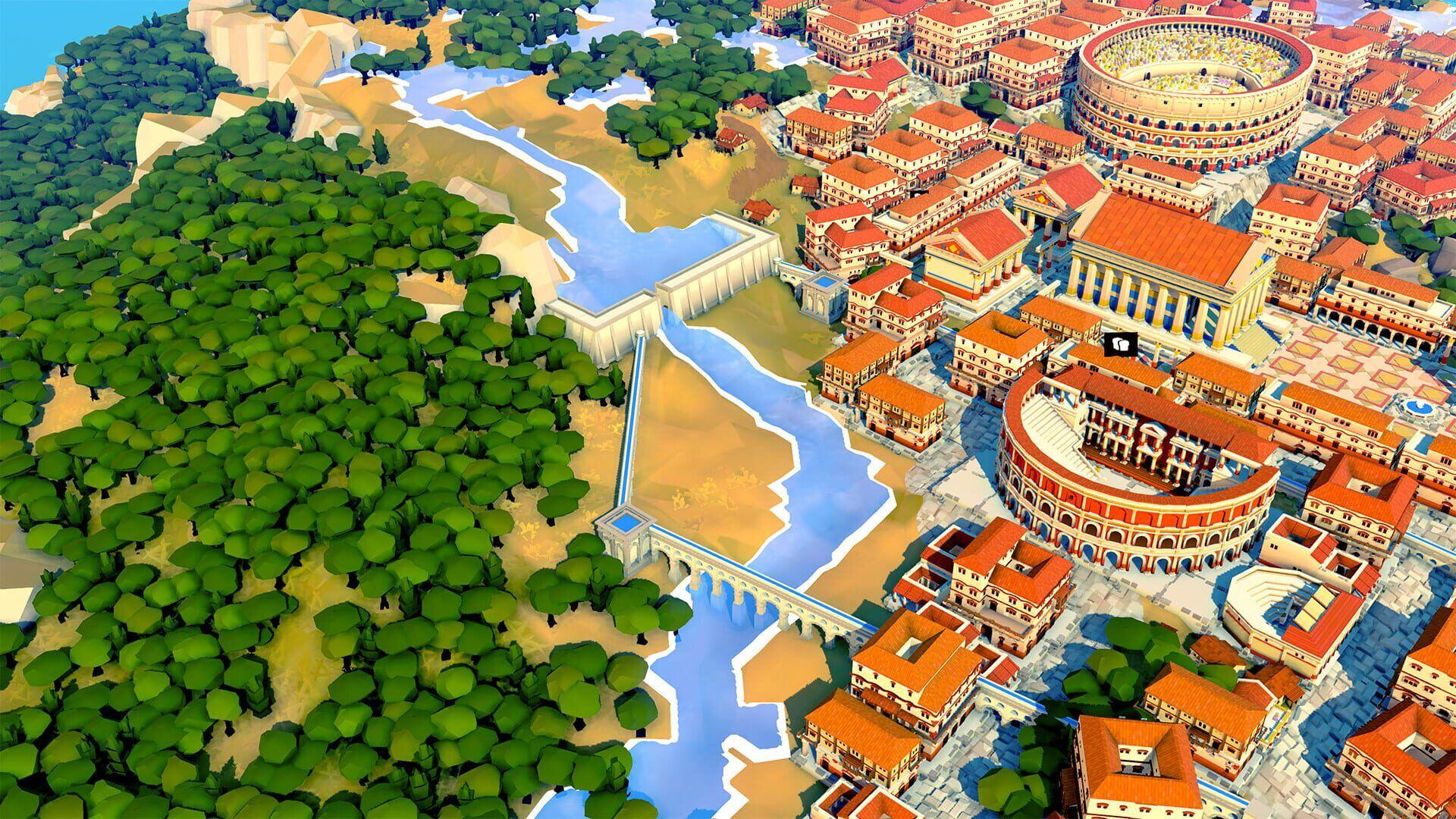
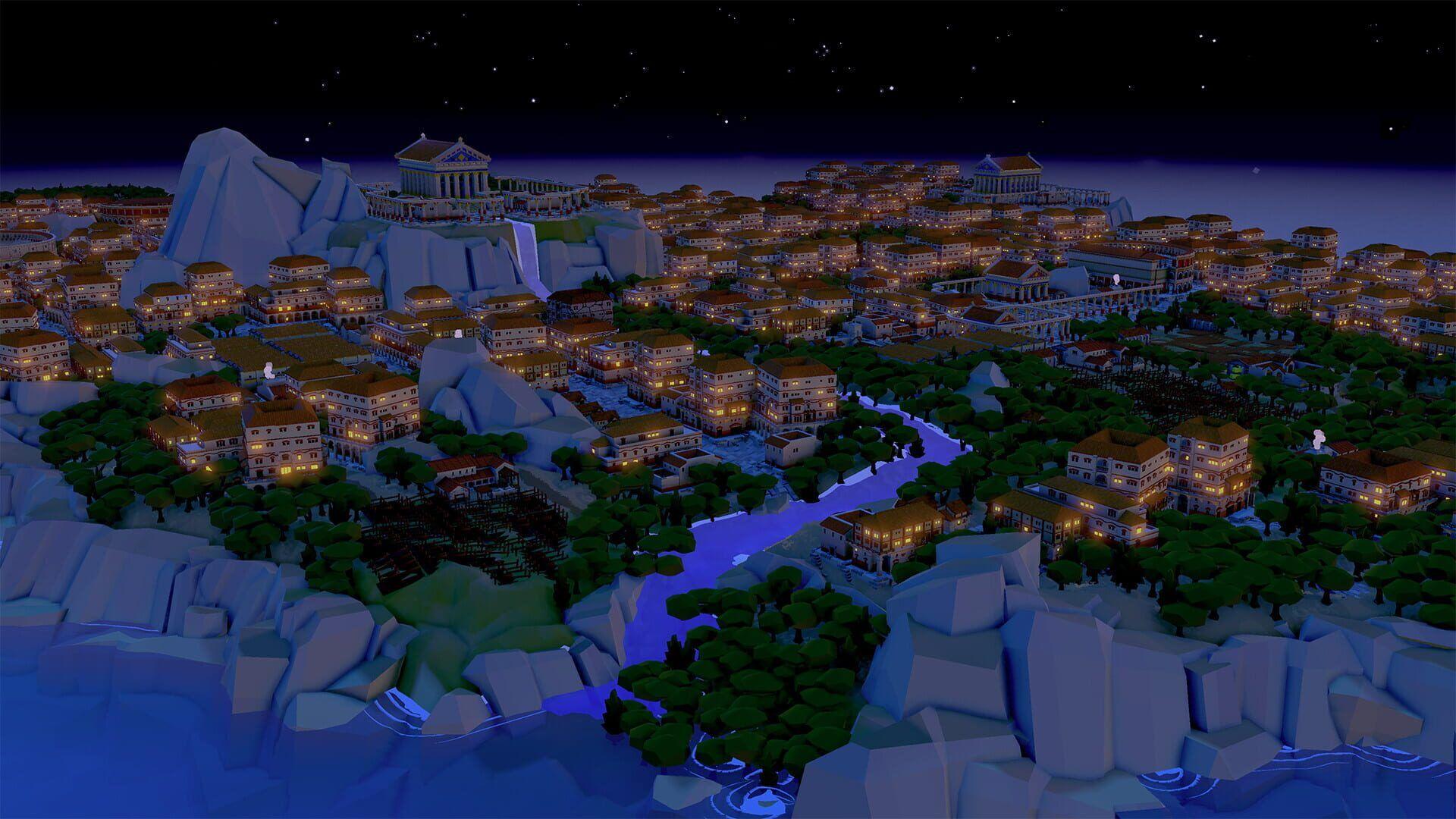
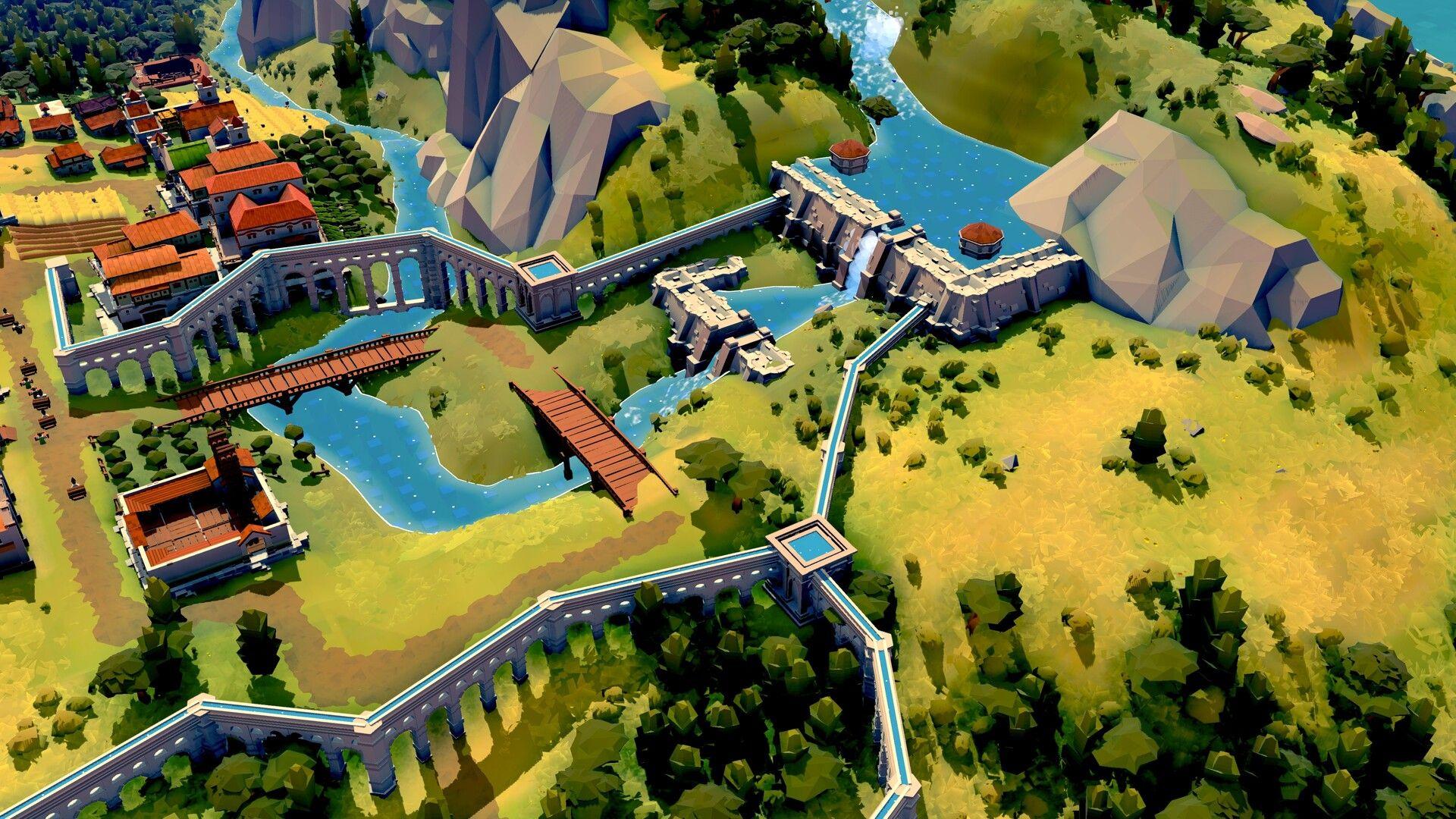
The spatial layout of your city matters significantly. Residential areas require proximity to employment, markets, and entertainment. Industrial zones generate pollution and noise, making them poor neighbors for wealthy districts. Aqueducts must reach all neighborhoods, roads need maintenance, and public services demand strategic placement. This geographic puzzle rewards thoughtful planning while punishing haphazard expansion. Players who master zoning principles and infrastructure placement create efficient, prosperous cities that can weather economic downturns and divine displeasure.
Visual Design and Historical Atmosphere
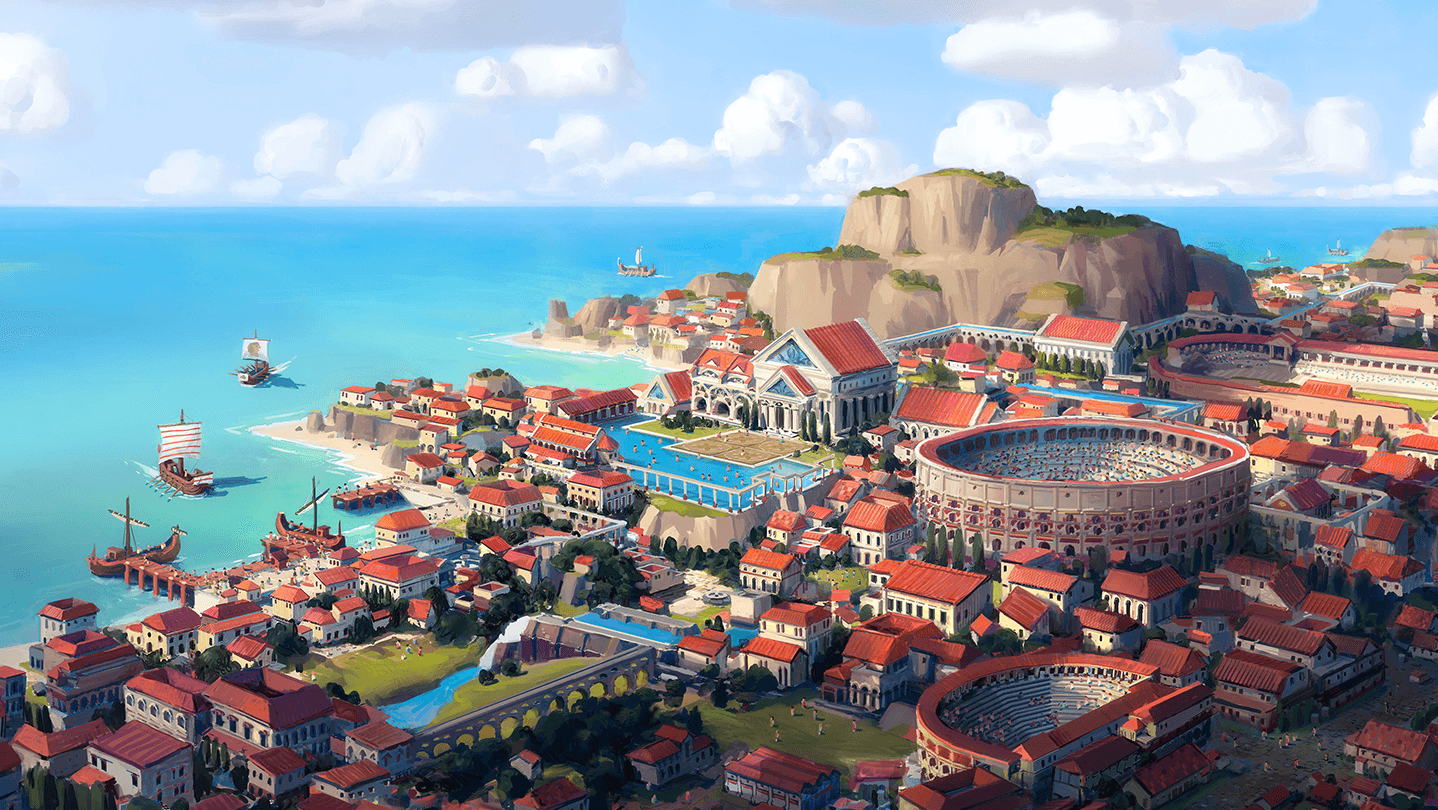
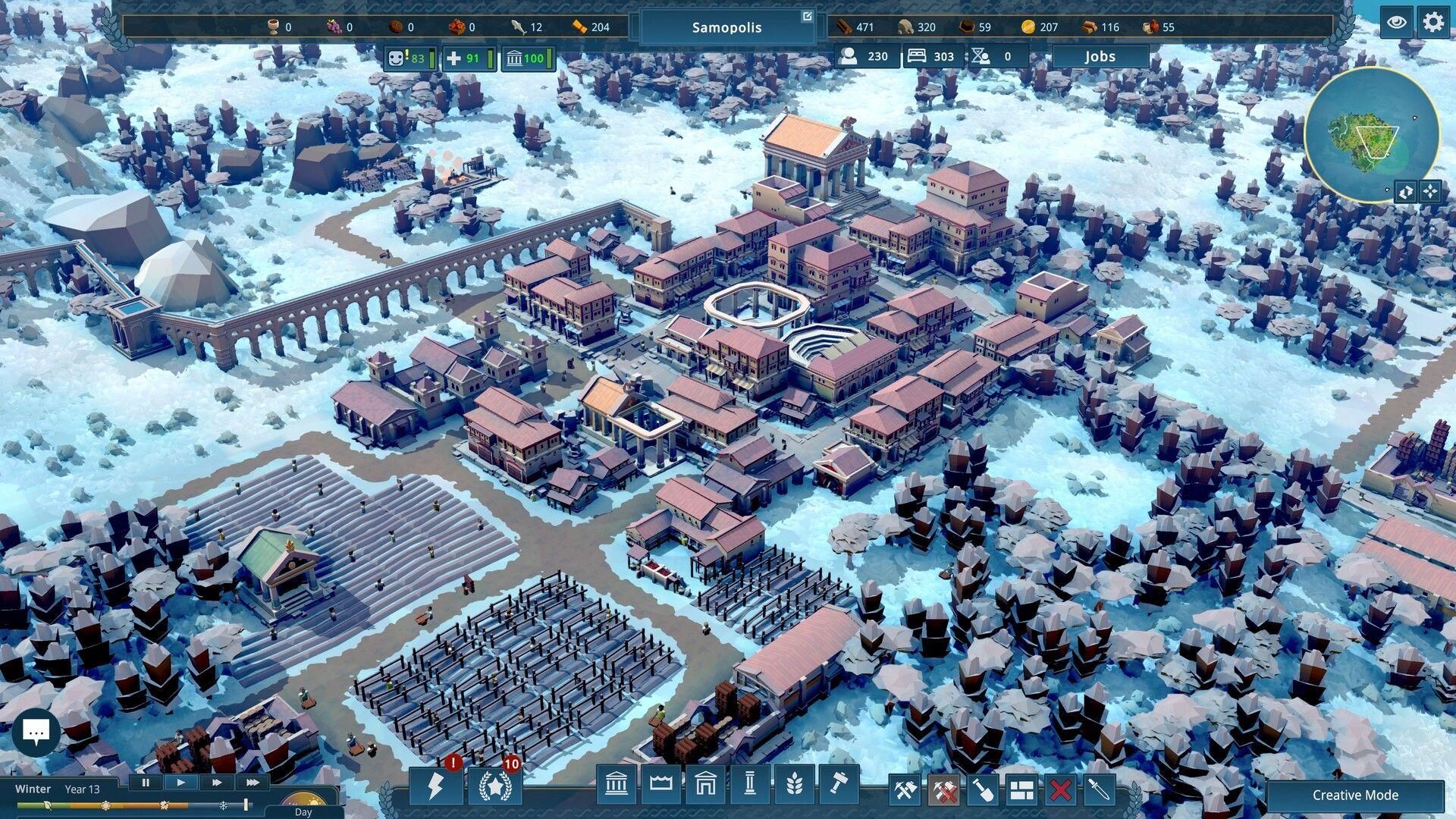
The presentation captures Roman architecture through detailed building models and authentic design elements. From humble insulae to grand basilicas, each structure reflects historical accuracy while remaining visually distinct for gameplay clarity. The interface presents complex information through clear iconography and organized menus, making the simulation's depth accessible without overwhelming players.
Nova Roma
Conclusion
Nova Roma stands as a comprehensive city-building simulation that challenges players to think like Roman administrators. The interplay between supply chains, religious obligations, and legislative authority creates a strategy game where success demands holistic thinking. Lion Shield has constructed a detailed sandbox for players who appreciate economic simulation depth, historical settings, and the satisfaction of watching complex systems function in harmony. For strategy enthusiasts seeking a city-builder that rewards planning and punishes complacency, this Roman simulation offers substantial engagement.