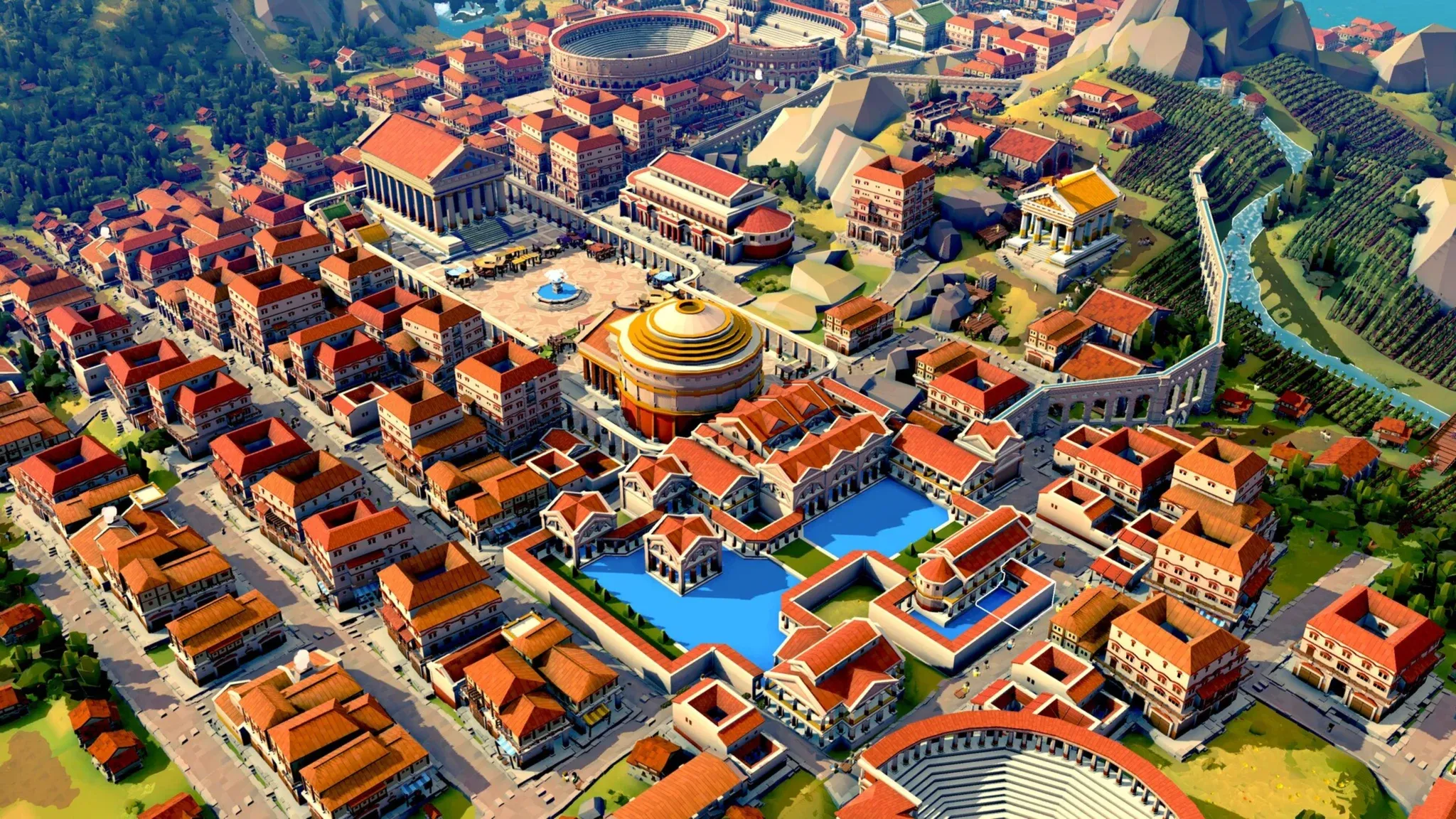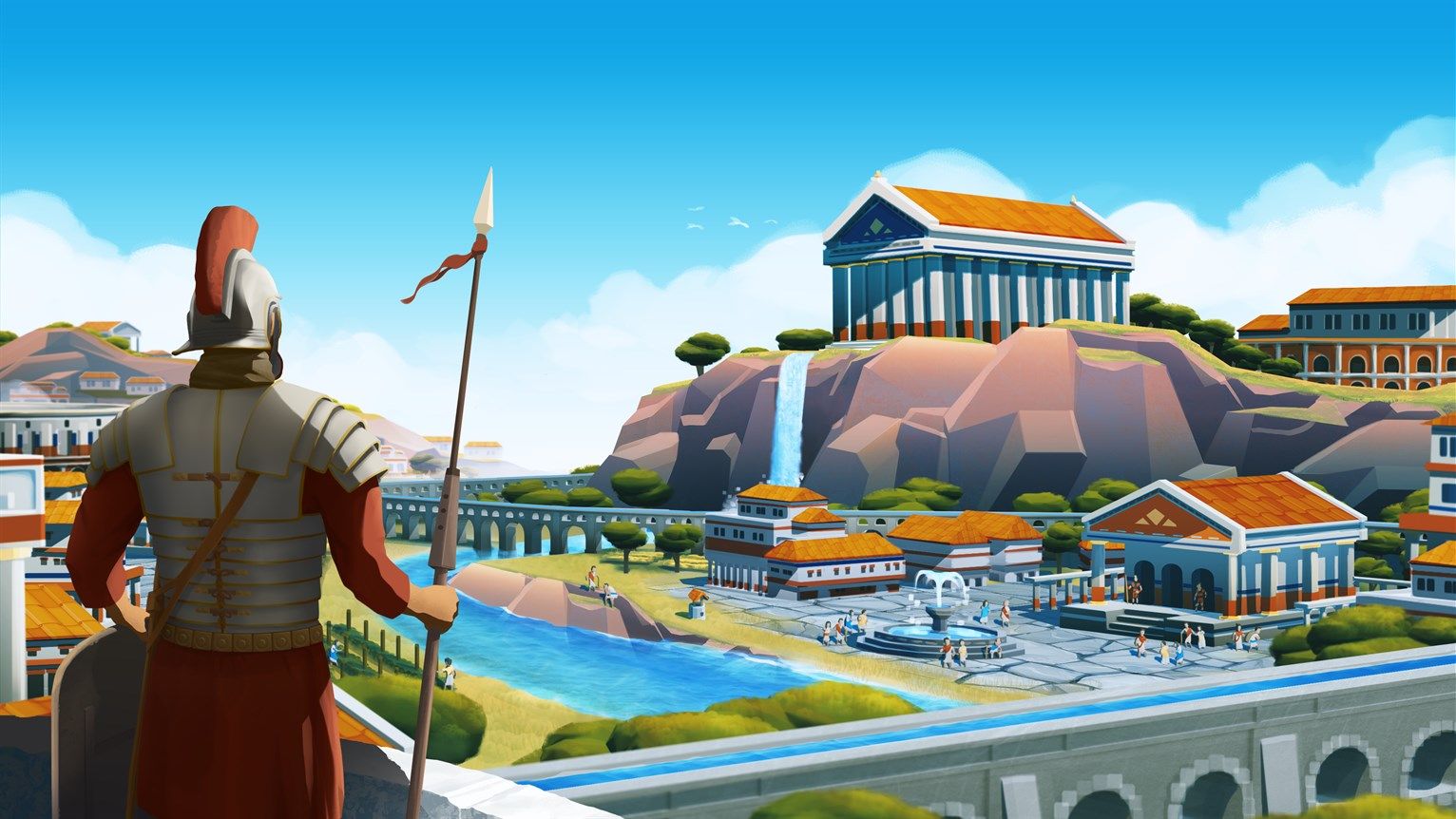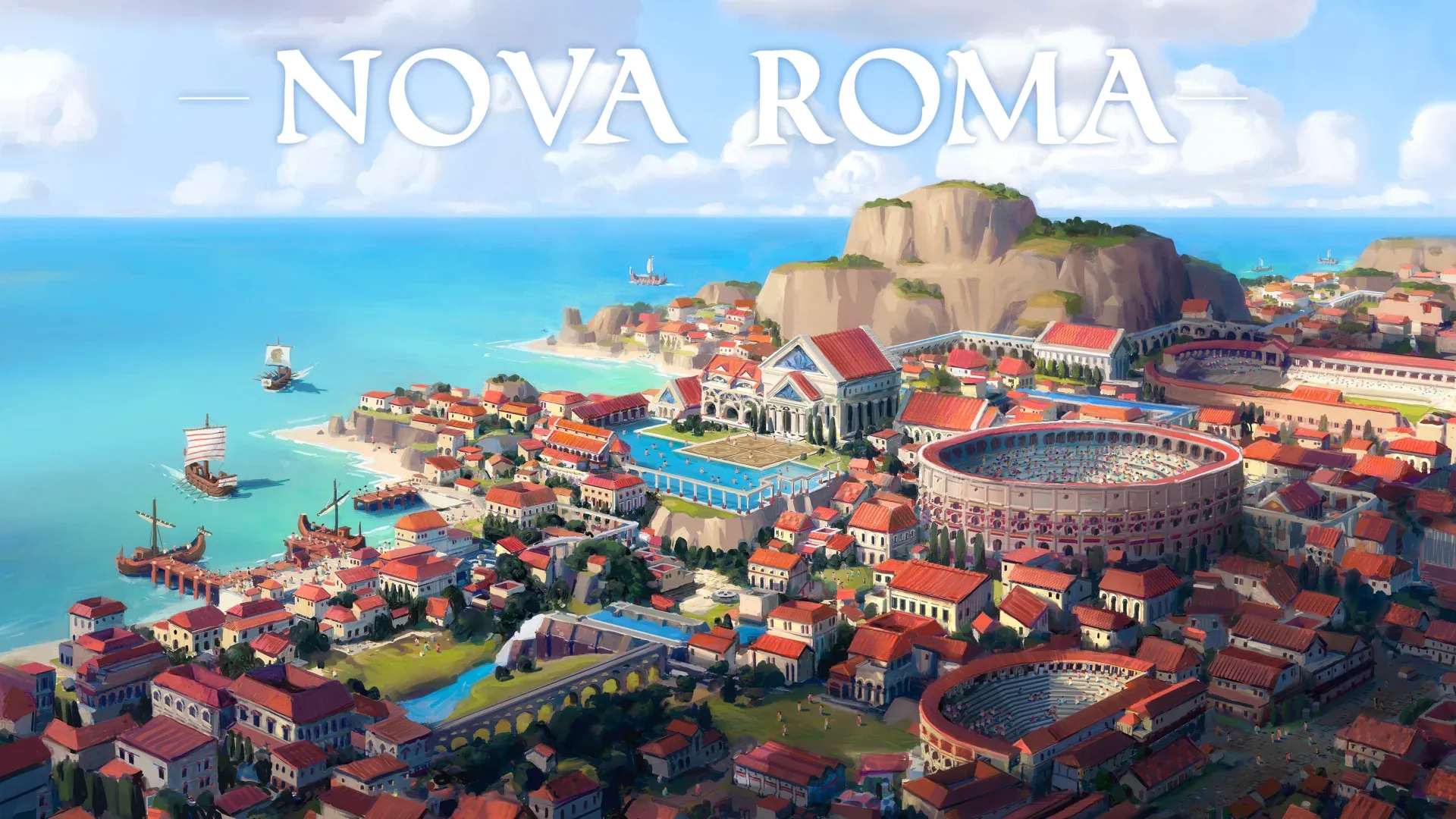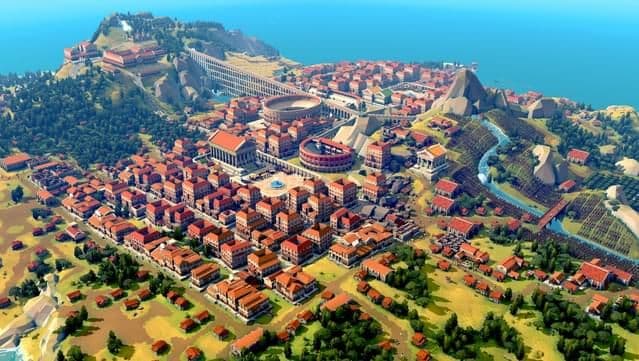

Nova Roma does not ease you in. Lion Shield's ancient city builder will happily let you flood your industrial district, starve your population, or get your town square struck by lightning if you do not understand how its systems actually connect. After spending dozens of hours watching settlements collapse from poor aqueduct placement and tax-triggered rebellions, the patterns become clear. This guide breaks down every core system, from your first Tax Office to your first military raid, so your city survives its first decade.
How Does the Economy Work in Nova Roma?
Gold, called Denarii, is the lifeblood of everything: soldier wages, terrain engineering, and specialized workers all pull from the same treasury. The only way to generate it is through a Tax Office, which collects funds from every building within an 11-tile radius.
The tax rate runs from zero to sixty percent, and the relationship between rate and happiness is direct. Push the rate too high and your citizens stop immigrating, then start leaving. The smarter play is to build high-tier housing like Villa Rustica directly around your Tax Offices. A Villa Rustica generates significantly more Denarii at a 10% rate than a Hovel does at 60%, and your poorest residents stay content. Clustering premium housing around Tax Offices produces far more revenue than cranking rates up on low-tier homes, and it keeps your population stable.
When your treasury hits zero, act immediately. Disable Theaters, Public Baths, and Arenas first since their upkeep runs 50 to 200 Denarii per month. Pause any luxury production like Pottery or Furniture that lacks an active trade route. You are bleeding wages on workers producing goods that sit in a warehouse.

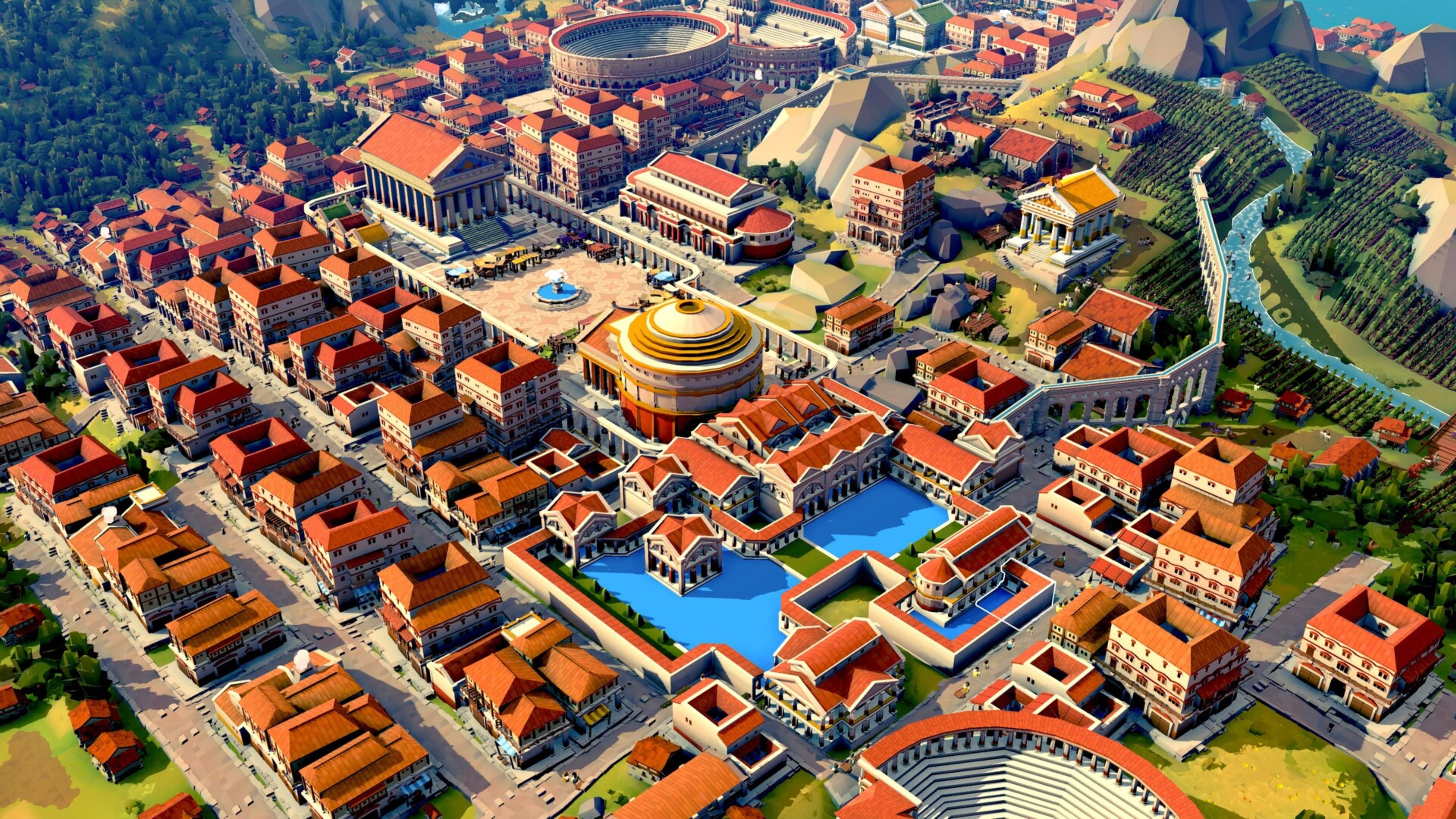
The bread and taxes strategy
Plebeians make up roughly 80% of your early population, and their happiness math is actually exploitable. Base Plebeian happiness sits at 50 out of 100. Maximum tax rate applies a penalty of 35 happiness points. A food surplus "Well Fed" buff adds 40 happiness points. The net result at maximum taxation with surplus food is +5, meaning your population stays stable while you collect peak revenue.
To trigger the Bountiful Market buff, your local markets need access to at least three distinct food types. Bread, Fish, and Cabbage is enough. Each house with access to three or more food varieties receives a permanent +20 happiness bonus, which acts as a substantial buffer against tax penalties and temporary water shortages. Build smaller Tier 1 Granaries adjacent to Plebeian housing rather than relying on one central stockpile, and make sure your logistics network delivers all varieties consistently.
How Do Water and Aqueducts Actually Function?
Water is purely gravity-driven. It flows from high elevation to low, and the game will not let you cheat this. A Water Intake must sit below the waterline of your river source, but it also needs to be at a higher elevation than your city for flow to work. If your settlement sits on a hill taller than your intake point, your aqueducts run dry.
Before placing any dam, spend time in Dam Planning Mode. This simulation tool shows you exactly how water reacts to your structure before you commit resources. Pay close attention to spillway and gate heights because heavy rainfall will push water over an undersized dam, and a flooded industrial zone is genuinely painful to recover from.
When laying aqueduct segments, the game displays the slope angle. Too steep and the water velocity exceeds the engine's threshold, blocking construction entirely. The fix is to snake the aqueduct along a longer path to step the water down gradually. It feels slow, but there is no shortcut here.
Once water reaches your city, every residential block needs to sit within the coverage radius of a pressurized Fountain. Basic wells work in the earliest stages, but they do not provide the happiness bonus that fountains do. Connect Bathhouses to your aqueduct network as soon as possible. Citizens who visit a Bathhouse receive a hygiene buff that meaningfully raises their mood, and Patricians in particular will abandon their villas if Bathhouse access disappears even briefly.
What Do the Gods Actually Do?
Religion in Nova Roma is a mechanical system, not decoration. Every temple you build must be dedicated to a specific deity, which opens a task queue called Divine Tasks. Completing these tasks earns Favor, and Favor is the only path to unlocking new technologies, better crops, and advanced industry.
Temples also double as city vaults. A Small Temple holds 200 Denarii, while a Grand Temple holds 1,000. Keep your God Honor level above "Expected" at all times. Drop below it and the curses activate.
| God | Blessing | Curse |
|---|---|---|
| Jupiter | +Happiness in 5-tile radius | Lightning strikes causing fires |
| Ceres | Boosts output for 3 nearest farms or orchards | Devastating crop failures |
| Mars | +25% damage for 3 nearest defense towers | Crushes military morale |
| Neptune | Increases fish yields for 5 nearest fishing buildings | Floods and hostile seas |
| Vulcan | Boosts output for 5 nearest fire-based industry | Burns your industrial sector |
Prioritize building a Large Temple early. Festivals burn through your luxury food stockpile but produce a significant surge in both happiness and Favor that pays for itself. You can check the Steam Community page for Nova Roma to see what other players are prioritizing in their temple builds and task completion order.
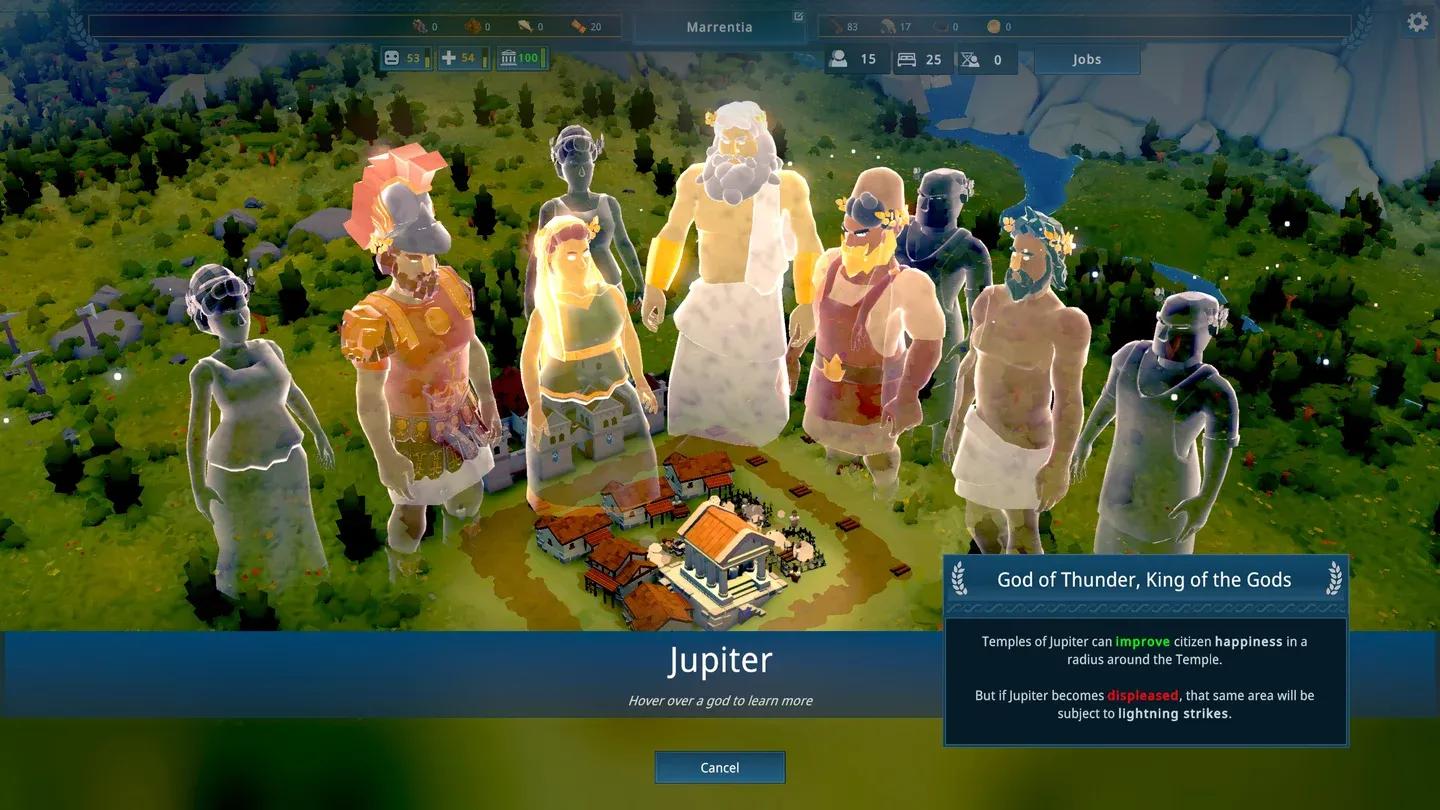
Temple divine task interface
How Do You Build and Manage a Military?
Raiders will eventually come. Without defenses, they sack buildings and walk off with your stockpiled resources.
Your first defensive building is the Outpost, which recruits a basic militia drawn directly from your idle worker pool. If every citizen is employed in quarries and farms, nobody picks up a spear. Keep a small reserve of unassigned workers at all times for exactly this reason.
Once Iron and Armament production comes online, you can train proper Infantry and Cavalry. These professional soldiers require ongoing wages, so your tax economy needs to be stable before you commit to a standing army. Use terrain to your advantage during attacks: high ground gives your troops a measurable combat bonus.
Guard Towers provide reliable localized defense with a constant gold upkeep cost. Do not scatter them randomly. Build wooden palisades or stone walls to funnel attackers into chokepoints, then position towers to cover those lanes. After a raid ends, disband your militia immediately. Keeping them active drains your economy, and sending them back to civilian life actually triggers a city-wide happiness boost as residents celebrate the victory.
Hard-Learned Survival Tips
A few patterns show up in almost every failed Nova Roma city:
- Worker commute distance kills productivity. Citizens physically walk from home to work. A logging camp on the opposite side of the map from your housing sector means your woodcutters spend more time commuting than chopping. Build small localized communities around each industrial zone.
- Never expand housing without a food surplus. New homes fill fast. Immigrants flood in, eat your reserves in days, and then complain about starvation. Secure a large buffer before zoning new residential land.
- Use Granaries properly. Crops left in the open rot when winter arrives. Lock food away in Granaries and distribute through Markets.
- Set up transport logistics early. A single citizen hauling stone across town is a waste. Establish cart and ship routes to handle bulk material movement once your city reaches medium scale.
- Rush a Charcoal Maker. Heating homes with raw wood strips your forests quickly. Charcoal is far more efficient and prevents a fuel crisis during the first winter.
- Repair buildings proactively. Structures degrade over time and collapse if ignored. A Masonry placed early handles automatic repairs and prevents losing workers to structural failures.
For more strategy guides covering city builders and survival games, browse the latest guides on GAMES.GG.